



For many seafarers, shore stays are part of the job- whether it’s for training, medical exams, job applications, or crew changes.
Finding the right seaman’s boarding house can make those days ashore more productive, affordable, and comfortable.
Over the years, I’ve stayed in countless crew accommodations in different port cities- from budget dorms in Southeast Asia to dedicated seafarer hostels in Europe.
I’ve learned that the most expensive doesn’t always mean the best, and affordable places can surprise you with excellent service and facilities.
This guide will help you choose a boarding house that meets your needs, no matter if you’re in Manila, Singapore, Rotterdam, Dubai, or any other maritime hub.
Quick Decision Checklist ✅
Before booking, ask yourself:
- Is it close to training centers, maritime offices, medical clinics, or the port?
- Does it offer free Wi-Fi, reliable electricity, and safe drinking water?
- Are there no signs of pests or poor hygiene?
- Is the location safe and accessible, even at night?
- Do the rules and boarders create a professional, seafarer-friendly environment?
If you answer “no” to any of these, keep looking.
Choosing the Right Boarding House
Budget & Cost Considerations 💰
Seafarers often have to stretch their shore allowance, especially during training or certification periods.
Choosing a boarding house that balances affordability with essential amenities is key.
1. Affordable Rates Without Sacrificing Quality
Rates vary by country and city- from ₱7,000/month (~USD 125) in the Philippines to over USD 500/month in European ports.
Look for places that:
- Offer daily or weekly rates if your stay is short
- Include essentials like bedding, air-conditioning, and shared facilities
- Clearly list all charges upfront to avoid hidden fees
💡 Tip: Compare at least three options and request photos or videos to confirm actual conditions before booking.
2. Free High-Speed Wi-Fi
Reliable internet is essential for:
- Applying for jobs or renewing documents online
- Contacting family via video calls
- Accessing maritime learning resources
Choose a boarding house with unlimited, stable Wi-Fi to avoid costly mobile data charges, especially if you’re abroad.
3. Flexible Payment & Refund Options
Crew schedules are unpredictable. Look for accommodations that:
- Offer refunds for early check-out
- Let you hold your paid balance for a future return
- Allow payment extensions for trusted, regular boarders
In many port cities, boarding house owners familiar with seafarer schedules are willing to be flexible when they know you’re between contracts.
Comfort & Facilities for Seafarers 🛏️
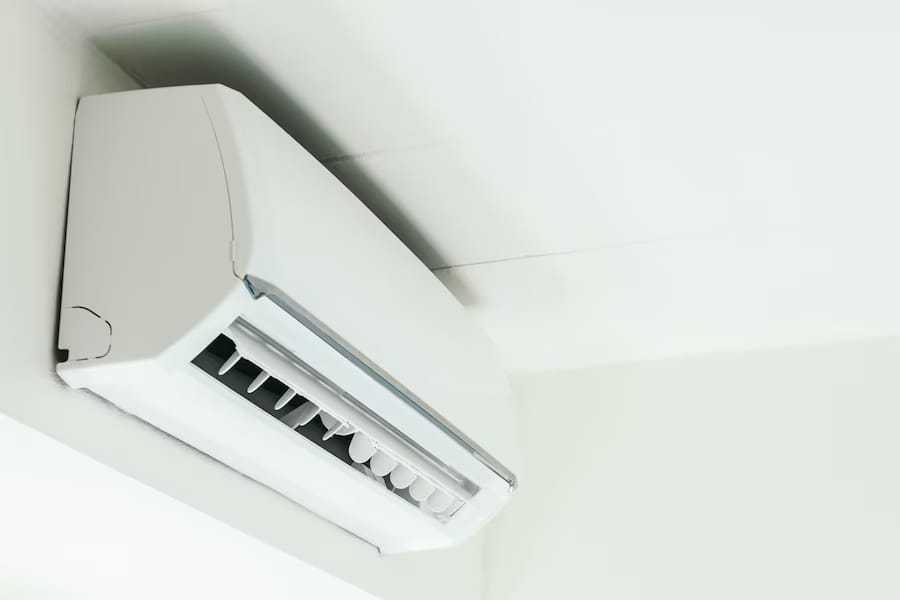
4. Air-Conditioned or Climate-Controlled Rooms
Climate varies from port to port- humid in Southeast Asia, chilly in Northern Europe, but comfort is non-negotiable.
- In warm climates, ensure air-conditioning or fans are available during sleeping hours.
- In colder climates, check for adequate heating and insulated rooms.
💡 Tip: Many crew accommodations run aircon or heating on a timed schedule. Make sure it covers your rest period.
5. Enough Toilets and Showers
Clean, functional facilities are a must:
- Minimum ratio: 1 toilet per 10–15 people
- Large dorms should have multiple toilets and showers to avoid long queues
- Water pressure should be consistent- especially important before early-morning training or port appointments
6. Reliable Water, Electricity, and Drinking Supply
Unreliable utilities can disrupt your schedule. A good boarding house should:
- Have 24/7 water and electricity
- Offer safe drinking water (filtered, boiled, or bottled)
- Include these costs in the rent- no surprise bills later
7. Cooking and Laundry Facilities
- Cooking: Lets you save money and prepare meals suited to your dietary needs
- Laundry: Saves both time and money, especially for longer stays
Some seafarer dorms even have shared kitchens where crews bond over meals from different countries.
8. Recreational and Study Areas
Look for spaces where boarders can relax or prepare for maritime exams:
- TV lounges, small gyms, or music rooms
- Study areas with desks and internet access
- Communal spaces that encourage networking and sharing industry news
Safety & Security Ashore 🔒
Just as safety is top priority onboard, your accommodation ashore should protect both you and your belongings.
9. Seafarer-Exclusive or Profession-Friendly
Boarding houses that cater mainly to crew members or maritime workers often have:
- A professional environment
- Shared industry tips on training centers, job openings, and document processing
- Less risk of disruptive or unsafe boarders
10. Disciplined and Respectful Community
Avoid places known for:
- Gambling, illegal drugs, or heavy drinking
- Frequent police raids or disturbances
- Poorly enforced house rules
Your shore time should be productive, not stressful.
INSIDER TIP:
I have been in a boarding house where some of the seafarers are very close to the owners and when they are financially constrained, they are able to extend payments until they get on board.
They told me that they had known the owner for more than five years and were a regular at that place.
11. Security Measures
- CCTV in common areas to deter theft
- Personal lockers for valuables such as passports, certificates, and electronics
- Strong locks on doors and gates
Always bring your own padlock or combination lock for extra peace of mind.
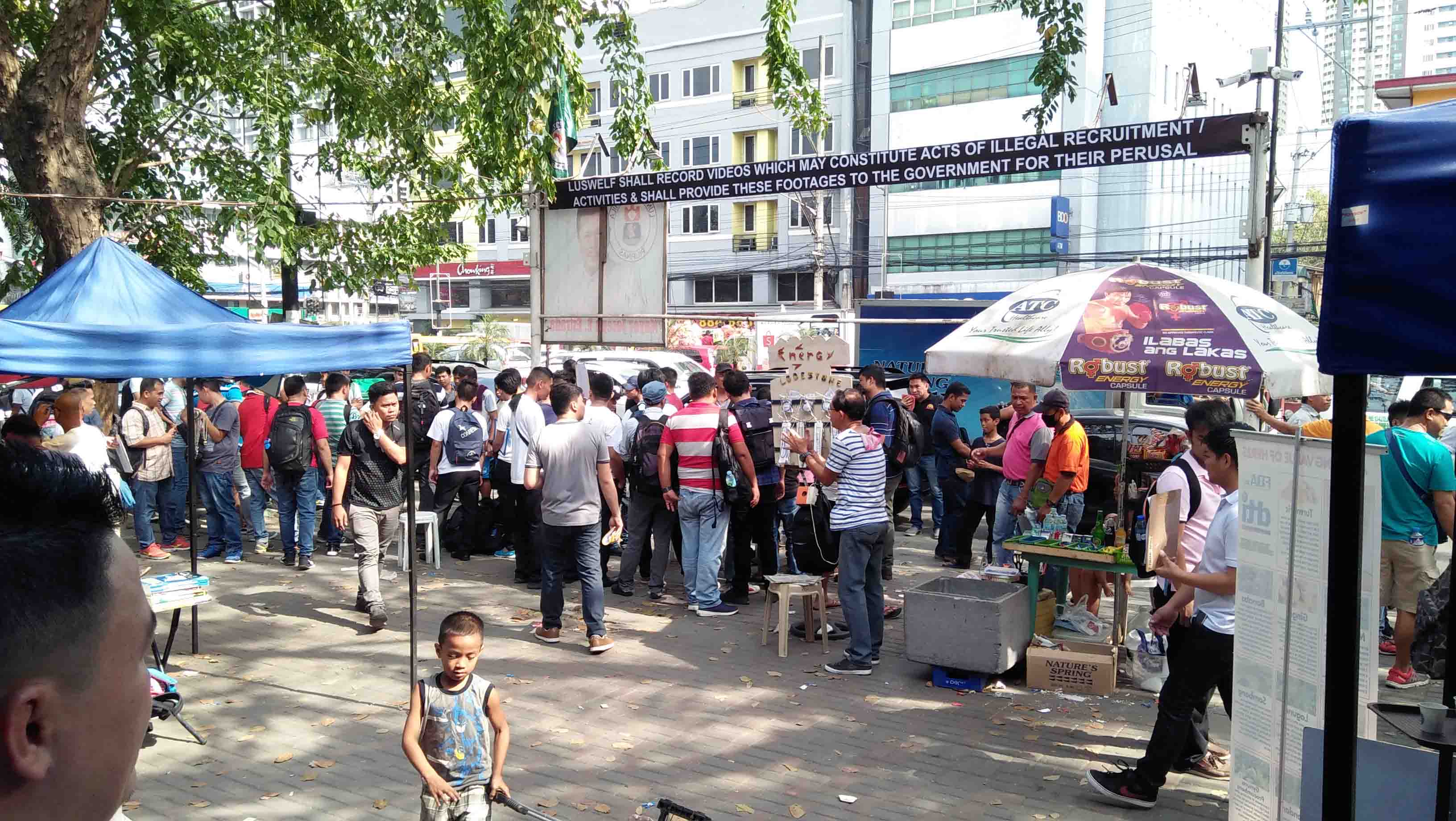
12. Safe and Accessible Location
Wherever you are, whether near a major Asian port, a European dockside, or a Middle Eastern shipping hub, your boarding house should be:
- In a neighborhood known for security and accessibility
- Close to maritime offices, training centers, medical facilities, or public transport
- Well-lit and safe to walk to at night
Community & Networking 🤝
A seafarer’s boarding house isn’t just a place to sleep. It’s a place to connect. The right environment can give you valuable industry leads and lifelong friendships.
13. Friendly and Professional Staff
Staff should be:
- Welcoming to newcomers
- Helpful with directions to maritime offices or medical clinics
- Respectful of privacy and boundaries
💡 Warning: Avoid places where staff ask for personal loans or overstep professional boundaries.
14. Opportunities to Network with Other Crew Members
Boarding houses exclusively or primarily for seafarers often become informal hubs of industry knowledge.
Here you can:
- Learn about job openings
- Share tips on training requirements
- Exchange advice about port-specific procedures
These interactions can be as valuable as formal career seminars.
15. Spacious and Uncrowded Rooms
Overcrowding can be more than just uncomfortable. It can increase the risk of illness spreading quickly among boarders.
- Avoid places that pack in extra beds to maximize rent
- Ensure enough space between bunks for privacy and hygiene

Final Tips for Choosing the Right Boarding House 🌍
Whether you’re in Manila, Singapore, Rotterdam, Cape Town, or Houston, the key points remain the same:
- Prioritize safety, cleanliness, and proximity to maritime facilities
- Choose a boarding house that understands the irregular schedules of seafarers
- Look for fair rates that include essential amenities
- Don’t hesitate to walk away if you see red flags. Your shore stay should be productive and stress-free
FAQ: Seafarer Boarding Houses
Q1: How much does a seaman’s boarding house typically cost?
Costs vary by location from about USD 5/day in Southeast Asia to USD 15–25/day in European ports.
Monthly rates are often cheaper.
Q2: How do I find a safe boarding house near my training center or port?
Search online seafarer forums, Facebook groups, and crew chat channels. Always check recent reviews and request photos before booking.
Q3: Is it better to stay in a seafarer-exclusive boarding house?
Yes, especially for networking, shared schedules, and a safer environment. Fellow crew members understand the demands of maritime work.
Q4: What amenities should I expect at minimum?
Clean bedding, secure lockers, reliable water and electricity, Wi-Fi, and functional toilets/showers.
Q5: What’s a red flag when choosing a boarding house?
Signs of poor hygiene, overcrowding, illegal activities, or inconsistent payment rules.
Conclusion & Call to Action 🚢
A well-chosen seaman’s boarding house can make all the difference in your shore stay- keeping you rested, connected, and ready for your next voyage.
If you’ve stayed in an excellent crew boarding house anywhere in the world, share your experience in the comments or send me a message.
Your tip could help a fellow mariner find the perfect place to stay before their next contract.
May the winds be in your favor.
Leave a Reply