
Our Blog
-
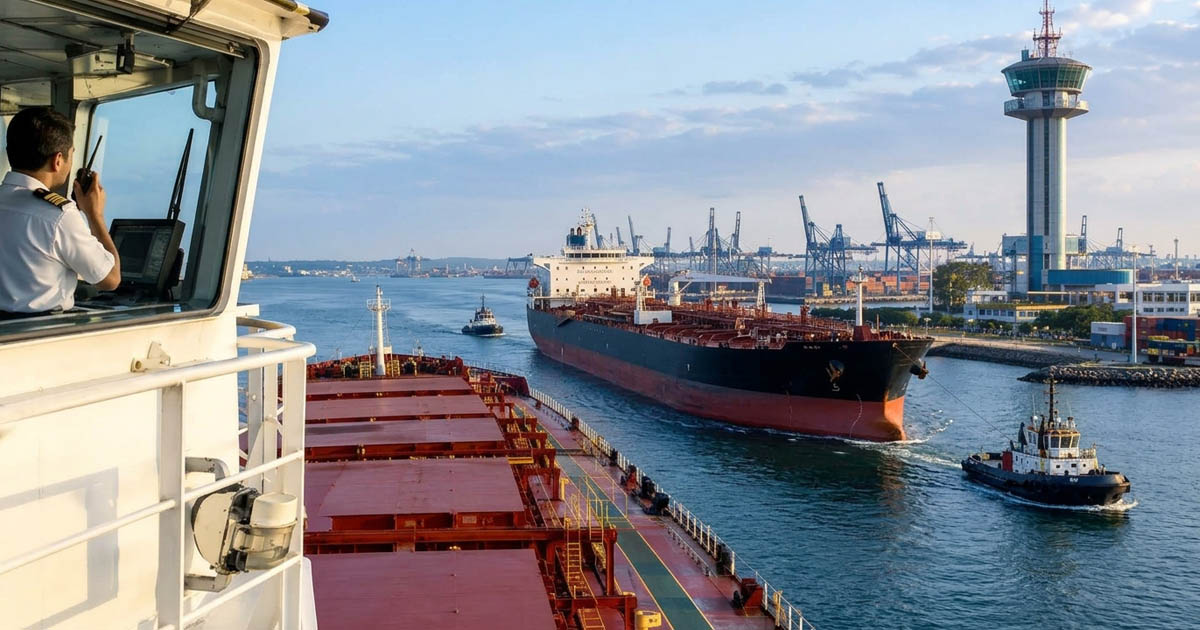
⚓ Port Control vs Ship’s Agent: Who Does the Ship Follow?
When a ship is approaching port, the ship’s agent and port control may both provide instructions about the vessel’s arrival. Most of the time, these instructions are consistent. But when they conflict, the bridge team needs to know which information should take precedence. The practical rule is simple: when the ship reaches the reporting position,…
-
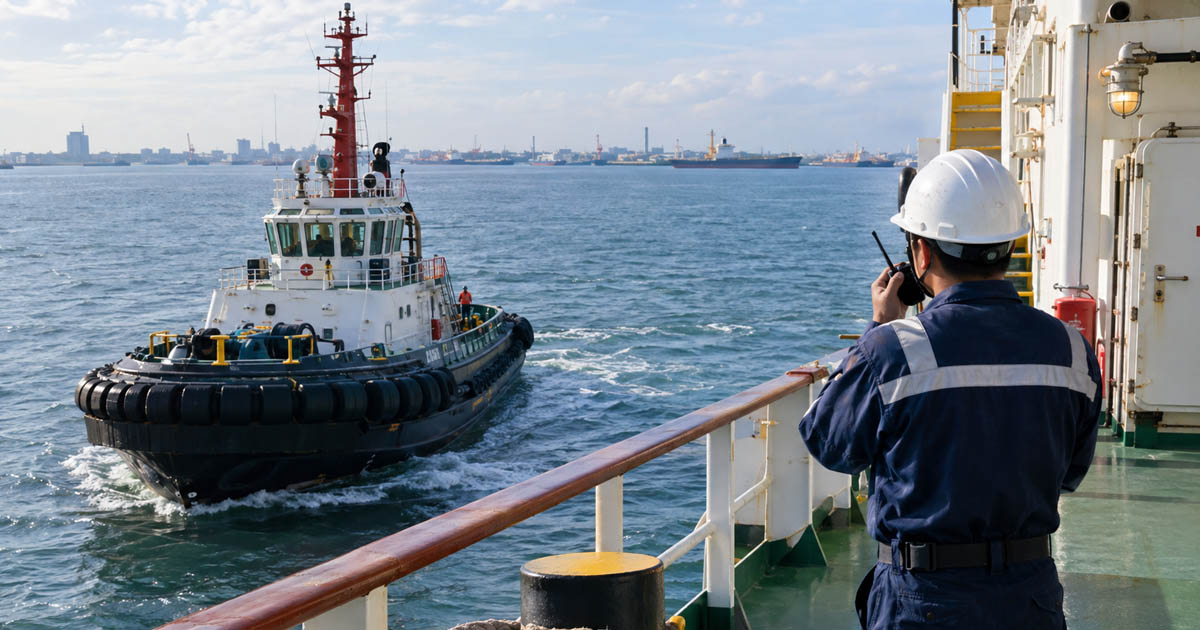
Why You Should Never Make Fast a Tug Without Bridge Confirmation
A tug should never be made fast just because it is alongside or asking for a line. The bridge must first order the connection. This prevents the mooring station from making fast a tug when the tug is only required for pushing. In this guide, we’ll show you what to do when a tug approaches…
-
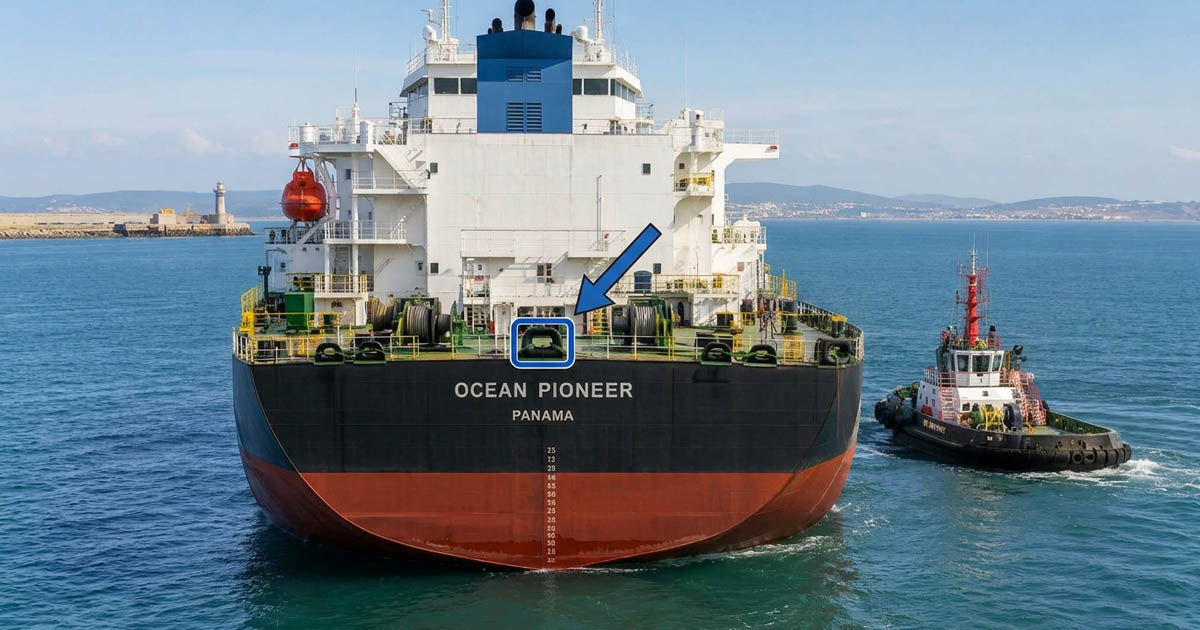
Where to Connect a Tug’s Line: Who Decides and What to Do
The bridge decides where a tug connects. Not the tug. Not the mooring station. The tug crew may ask for a heaving line so they can send their messenger or towing line. That does not by itself mean the ship should connect the tug. Confirm the arrangement with the bridge first. Connecting the tug at…
-
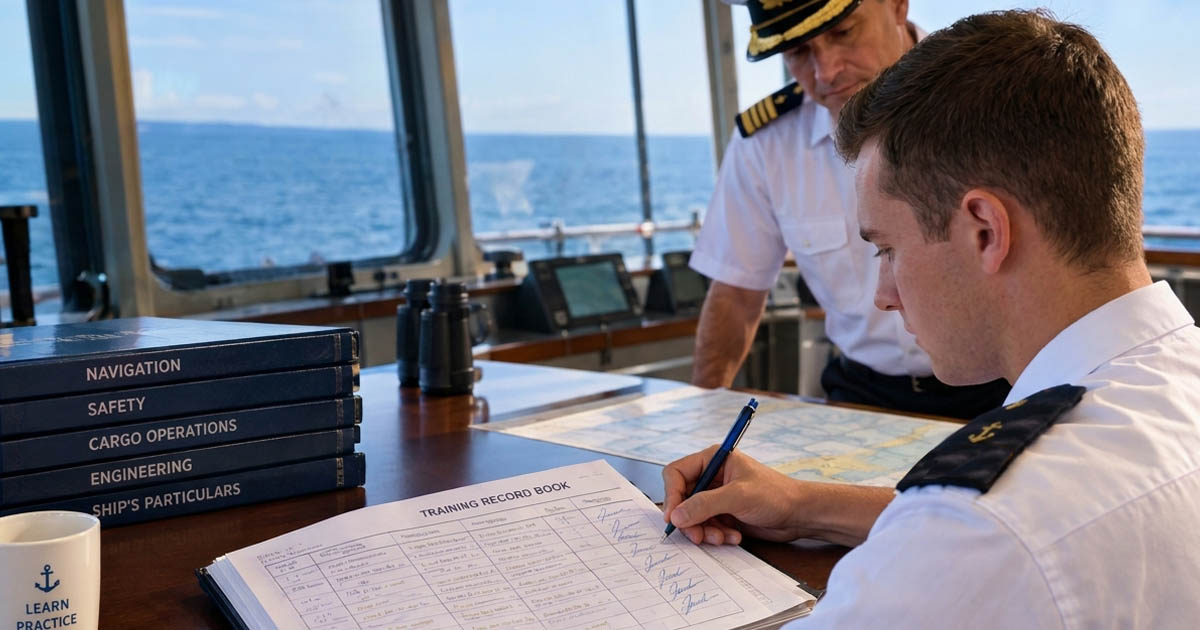
Your TRB Is Signed. But Can You Actually Do the Job?
A Training Record Book can end up full of signatures, and that feels like progress. But here’s a better question: if someone took your TRB away and asked you to do the job, could you? IMO guidance describes the TRB as a record of the practical training and experience you gain at sea, and your…
-
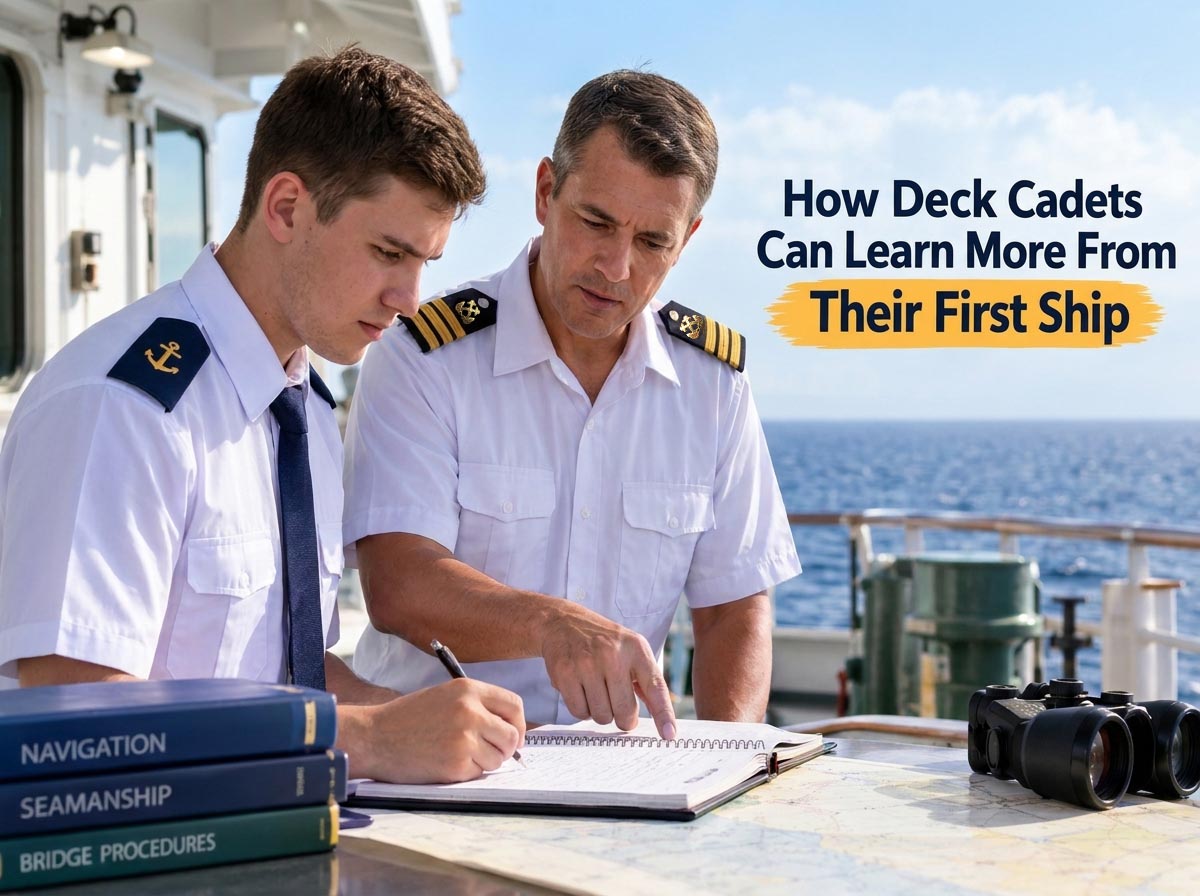
How Deck Cadets Can Learn More From Their First Ship
Not long ago I asked a deck cadet if he knew his job. “Yes, I know,” he said. I gave him a task and it turned into a mess. I told him straight: you said you knew, and you didn’t. The next time I asked, he said he had some experience but would double-check first.…
-
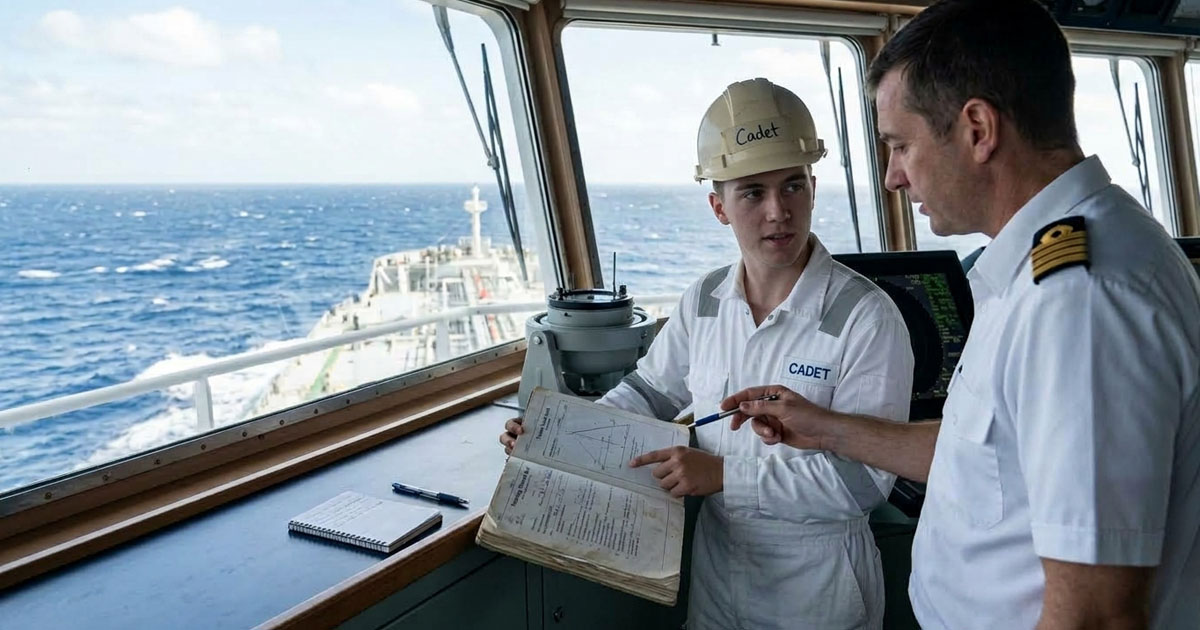
24 Mistakes First-Time Cadets Make On Board
Your first ship is where classroom knowledge starts becoming practical competence. It is also where many cadets develop habits that can either help or hurt their future careers. Some mistakes are obvious, such as ignoring PPE or keeping a poor Training Record Book (TRB). Others are less obvious, such as pretending to understand an instruction,…
-
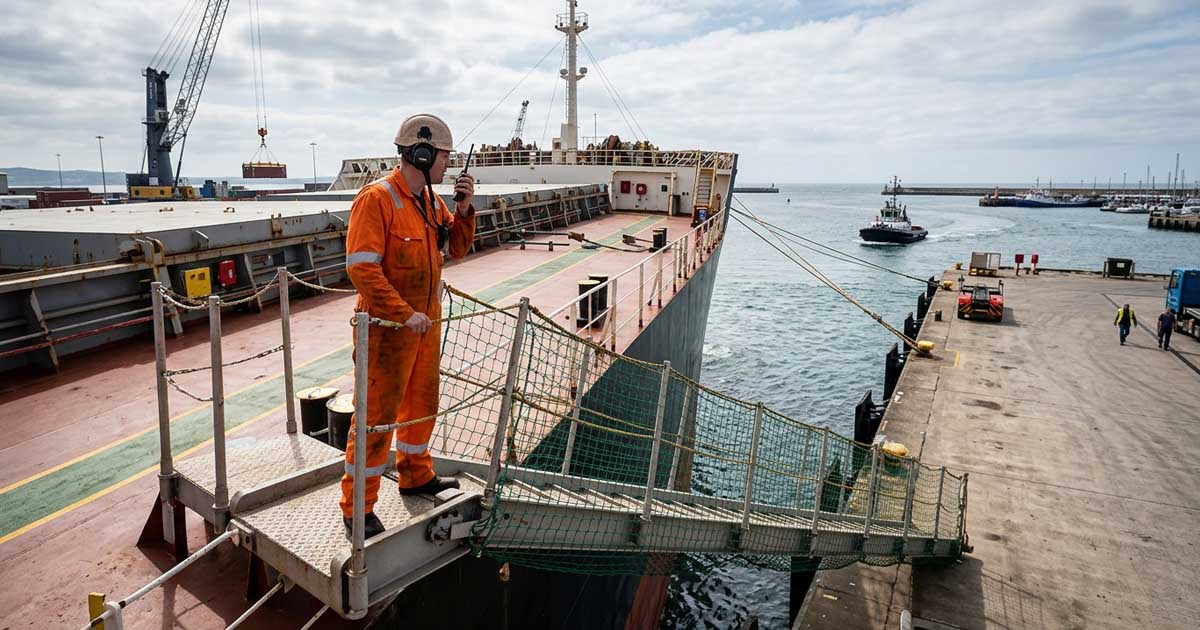
What Should a Gangway Watchman Monitor Besides the Gangway?
A gangway watchman is often seen as the person who checks visitors coming aboard. But a good gangway watch is about much more than controlling access. Standing at the gangway also provides a useful vantage point for noticing when something is going wrong. A parting mooring line, a ship moving away from the berth, oil…
-
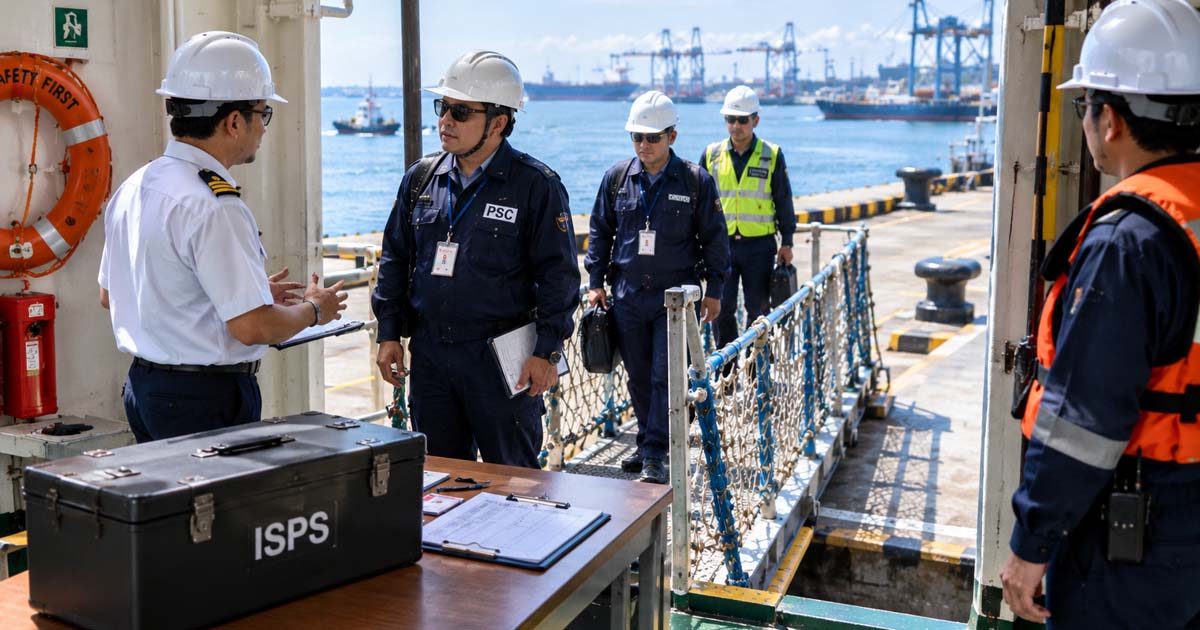
How Should a Gangway Watchman Handle Inspectors and Unexpected Visitors?
The gangway watchman is the vessel’s first line of defense and primary point of contact. While standard visitors like agents or loading masters usually board directly to conduct routine business, handling vetting inspectors, Port State Control (PSC) officers, and unannounced technicians demands heightened vigilance. How a watchman handles these visitors sets the tone for port…
-

How to Perform an Effective Gangway Watch on a Ship
A gangway watchman is responsible for much more than standing at the ship’s gangway and checking visitors. The watchman is the first point of contact for people coming aboard and plays an important role in ship security, safe access, communication, and general situational awareness. An effective gangway watch requires you to monitor the gangway while…
-
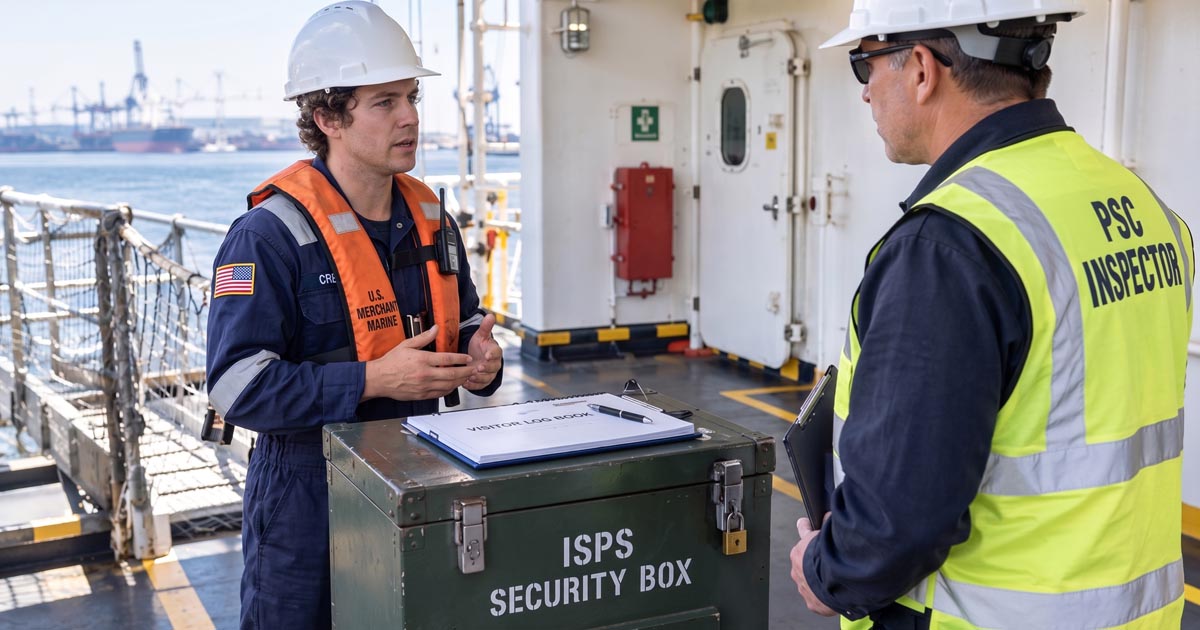
Questions Inspectors May Ask a Ship’s Gangway Watchman
The inspector has just arrived at the gangway. Are you ready for the questions? For many seafarers, the gangway watch is more than checking visitors and maintaining security. During a vetting, SIRE 2.0, Port State Control, Coast Guard, or other inspection, the gangway watchman may become one of the first crew members interviewed. Inspection guidance…