


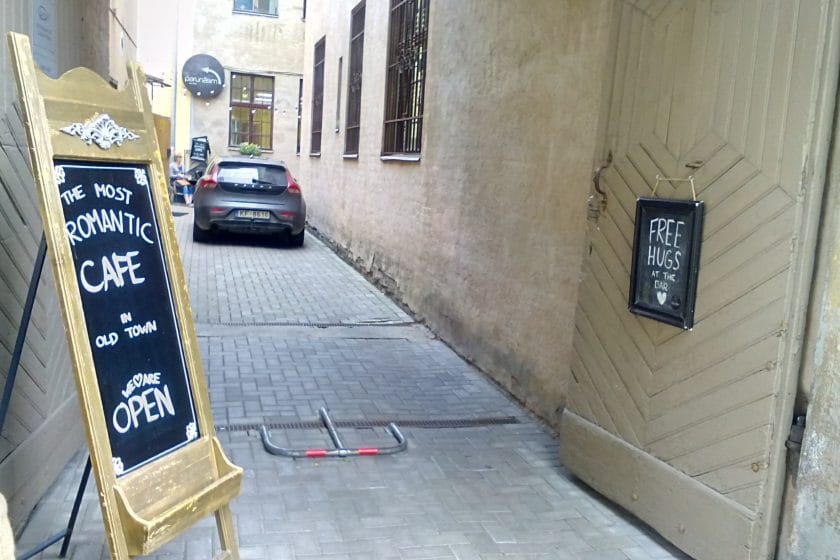
Shore leave is more than just stepping off the gangway. It is a chance to relax, explore new places, and take a break from shipboard life.
Whether you are alongside for 24 hours or a full week, planning ahead ensures you enjoy every moment without draining your hard-earned wages.
Many seafarers return onboard wondering where their money went.
Some spend $300 in four hours or even €700 in one night. Without a plan, that happens easily.
This guide shares eight proven tips for a memorable and budget-friendly shore leave.
Why Shore Leave Can Be Costly 💸
Going ashore is tempting: new food, souvenirs, attractions, nightlife. But ports are often in major cities where prices are high.
Add currency exchange differences, taxi fares, and impulse purchases, and costs can spiral quickly.
Common reasons seafarers overspend on shore leave:
- Poor planning before going ashore.
- No set budget for the contract period.
- Relying on taxis instead of cheaper transport.
- Buying unnecessary souvenirs or luxury goods.
- Eating in tourist areas without checking prices first.
The good news? With the right strategy, you can enjoy your time ashore, see more, and spend less.
Here’s an article on how I busted the myth that city excursions might be costly!

8 Budget-Friendly Shore Leave Tips for Seafarers
1. Plan Your Shore Leave Budget Early 📝
Right after you join the vessel, decide how much you want to have saved by the end of your contract.
From that, set aside a fixed monthly personal allowance for shore leave.
Example approach:
- Calculate family allotment and fixed home expenses.
- Set a “final savings goal” for your contract.
- Deduct your monthly shore leave budget from what remains.
Keep your budget visible. Post it inside your cabin to remind yourself before every port call.
2. Set a Monthly Spending Limit and Stick to It 📊
A fantastic shore leave doesn’t have to be expensive. Once you’ve set a budget, follow it religiously.
Pro tip: If you underspend one month, carry over the extra for the next port. This way, you can enjoy a bigger outing without dipping into your savings.
Avoid the trap of letting your budget “go with you”. Instead, you should go with your budget.

3. Get Local Advice Before You Go Ashore 🗣️
When you’re alongside, ask locals- ship’s visitors, stevedores, Seaman’s Center staff, etc. about:
- Best local attractions.
- Cheapest ways to get there.
- Safety tips for the area.
- Public transport schedules and fares.
Not all ports have fluent English speakers, so confirm language barriers early to avoid confusion and wasted time.
4. Use Online Tools to Plan Ahead 🌐
If you have internet access onboard, research your next port of call before arrival.
Useful tools for seafarers:
- Google Maps: Check routes, reviews, and walking times.
- Tripadvisor: Find attractions, restaurants, and hidden spots.
- Port websites: Learn about crew facilities, shuttle services, or events.
A few minutes of research can save hours of wandering and prevent expensive mistakes like taking an overpriced taxi when a bus stop is nearby.
5. Hitch a Ride with the Ship’s Agent or Jettyman 🚗
Sometimes, a friendly conversation can save you transport costs.
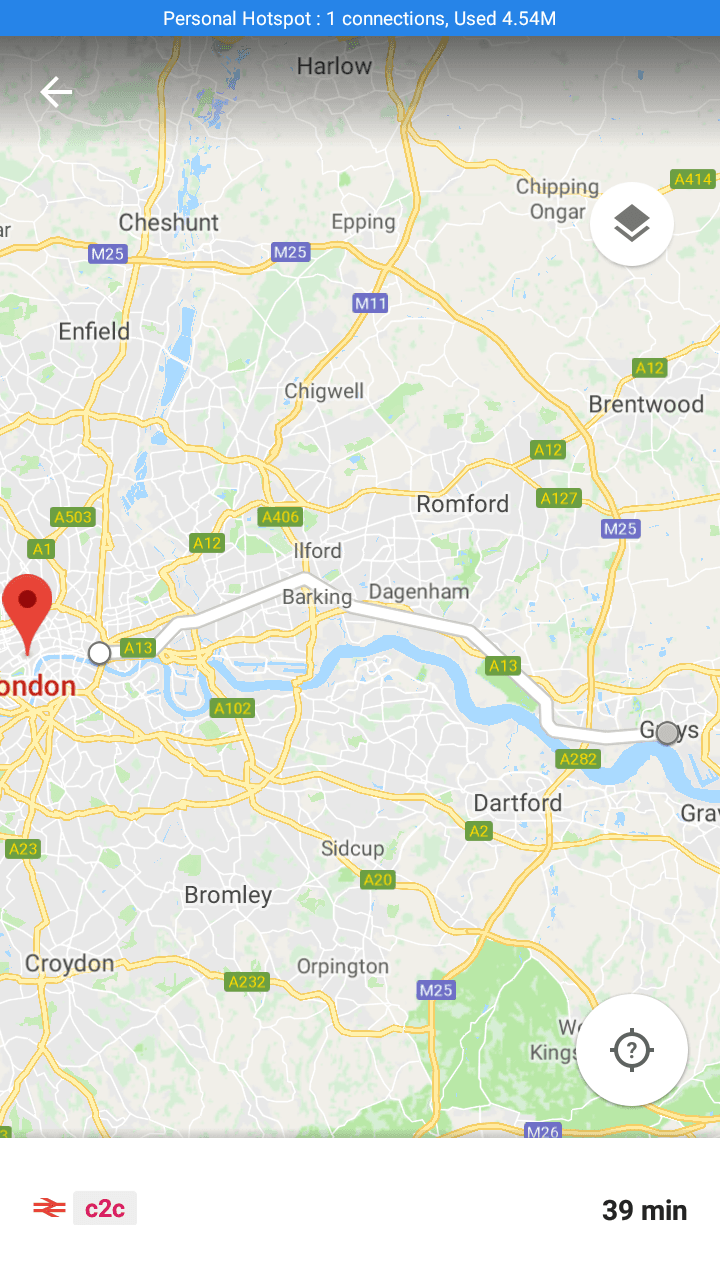
Agents, jettymen, or off-duty shore workers may offer a free ride to town. Be polite, build rapport, and ask casually if they are heading in the same direction.
Example: In Foynes, a local shore worker offered a ride into town after being asked for directions. Small gestures like this can make shore leave more enjoyable and affordable.
6. Walk, Cycle, or Use Public Transport 🚶♂️🚲🚌
In some ports, attractions are within a 20-minute walk.
Walking costs nothing and allows you to explore hidden spots. If in Europe, a bike is a great advantage.
If distances are longer, use buses or trains instead of taxis. This can cut your transport cost by more than half.
If traveling with at least three crewmates, splitting a taxi fare may still be cost-effective.
Tip: Check public transport schedules and allow extra time for the trip back to the vessel to avoid delays and port security issues.

7. Save Every Extra Penny 💰
Avoid the “spend it all because it is in the budget” mentality. If you have leftover money after a port visit, keep it for your next shore leave.
This is especially useful if you are holding Euros, Dollars, or Pounds, which can be used in other countries without currency loss.
Extra savings from shore leave can also help cover unexpected expenses during your vacation at home.
8. Track Your Expenses for Every Port Call 📒
Keeping a record of expenses shows where your money goes and highlights areas for improvement.
A simple spreadsheet works well for this.
By tracking month-to-month spending patterns, you will see opportunities to cut costs and adjust your shore leave strategy.
Over time, this habit can significantly boost your end-of-contract savings.
Extra Money-Saving Hacks for Seafarers at Port 🛳️
- Visit free attractions like parks, waterfronts, and museums with no entrance fee.
- Eat at local diners instead of tourist restaurants.
- Shop where locals shop to avoid tourist markups.
- Ask other crewmates to join your plans and share transport costs.
FAQs on Shore Leave Budgeting
Q: Is shore leave worth spending money on?
Yes. Every seafarer needs to go ashore. Shore leave is vital for mental health and crew welfare. Spending wisely ensures you enjoy it without hurting your savings.
Q: How much should a seafarer budget for shore leave?
This depends on your rank, port location, and contract length. Many set aside 5-10% of monthly income for personal use.
Q: What if the port is in an unsafe area?
Always check local safety advice from the agent, port authority, or Seaman’s Center before going ashore. Stick to recommended safe zones.
Conclusion and Call to Action ⛴️
A fantastic shore leave is about smart planning, not overspending.
By budgeting early, researching ports, and making practical choices, you can enjoy new places while keeping your finances secure.
If you found these tips useful, share them with fellow seafarers or explore our other guides on crew welfare and maritime travel tips.
Safe sailing and enjoy every port!
May the winds be in your favor.
Leave a Reply