


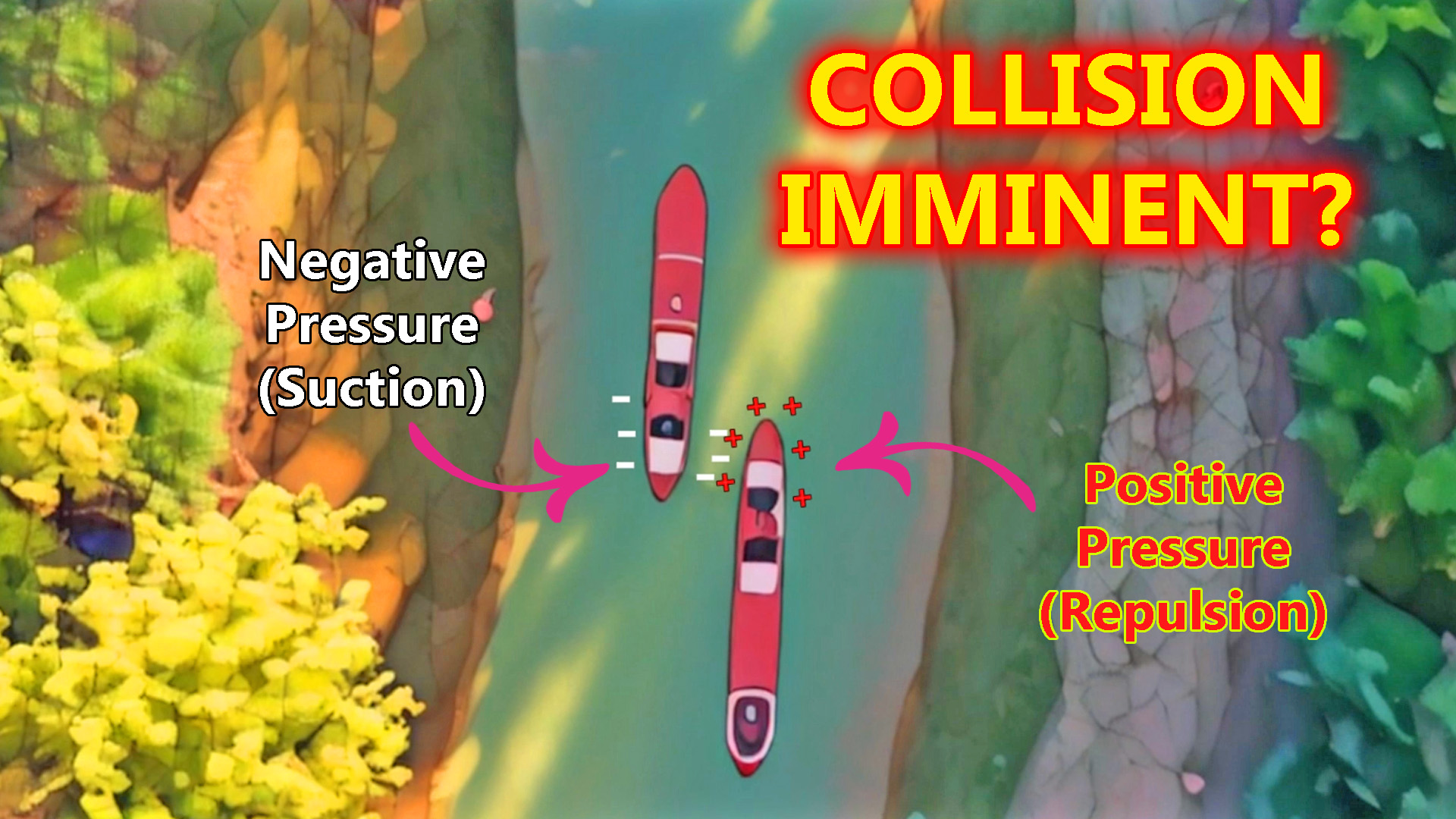
Overtaking in a narrow channel is a high-risk maneuver.
The confined space, proximity to other ships, and invisible hydrodynamic forces below the hull make it one of the most critical challenges in navigation.
While bridge navigational equipment like radar and ECDIS provide visual tracking, true awareness lies in understanding the forces at play and strictly following COLREGs.
✅ With proper planning, communication, and adherence to Rule 9, you can safely overtake another vessel and avoid dangerous collisions in restricted waters.
⚓ Before You Overtake Another Vessel
Initiating an overtaking maneuver in a narrow channel demands preparation- not just in navigation but in judgment
If both vessels are nearly the same speed, overtaking may take longer than expected.
Before you act, gather full situational awareness.
📘 1. Know the COLREGs – Rule 9 Applies
The International Regulations for Preventing Collisions at Sea (COLREGs) Rule 9 governs conduct in narrow channels.
As the overtaking vessel, you are responsible for keeping clear and ensuring your actions align with established rules.
🚨 Misinterpreting Rule 9 can confuse nearby vessels and increase collision risk.
🧭 2. Assess the Navigational Situation
Ask yourself:
- Are you navigating in IALA Region A or B?
- Is visibility clear for maneuvering?
- Is there sufficient channel width for safe passage?
- Are there vessels ahead, astern, or oncoming?
These factors determine whether overtaking is safe or should be delayed.
Use ARPA, radar, and ECDIS to analyze vessel traffic.
🌊 3. Understand Hydrodynamic Forces
As your vessel approaches the slower one, interaction forces like bank suction, bow cushion, and stern suction become active.
These can:
- Pull ships closer unexpectedly
- Cause yawing or loss of steerage
- Alter under-keel clearance (UKC) due to squat
🎥 Watch this video to see how ships behave during overtaking under hydrodynamic effects.
📡 4. Communicate Your Intentions via VHF
Before overtaking, call the other vessel on VHF (usually Channel 16 or 13 in port areas) to announce your plan.
State clearly:
“[Slower Vessel] this is Motor vessel [Your Ship Name] overtaking on your port/starboard side in [Channel Name], request acknowledgment.”
🛑 Wait for a positive response before proceeding. Avoid ambiguous or late calls.
⚓ During the Overtaking Maneuver
Once communication is established and you’re committed to overtaking, you must execute with precision.
Keep your plan flexible while monitoring the situation closely.
⚙️ 5. Maintain a Steady, Safe Speed
Your vessel must remain faster than the ship being overtaken- but avoid sudden speed increases.
- ⚠️ High speeds amplify hydrodynamic forces like suction and squat.
- 📡 Continuously monitor Under-Keel Clearance (UKC) using your echo sounder.
- 🛑 Avoid dropping below the speed of the vessel ahead; it prolongs the maneuver and increases risk.
🧭 6. Keep a Steady Course
Avoid zigzagging or abrupt helm adjustments. Sudden course changes can:
- Confuse the other vessel’s bridge team
- Reduce your speed and prolong the overtaking
- Compromise safe CPA (Closest Point of Approach)
🧠 Predictable movement helps others maintain safe distance and observe Rule 9 protocols.
📏 7. Ensure a Safe CPA (Closest Point of Approach)
Give sufficient lateral clearance. Avoid passing too close, as:
- Interaction forces may pull vessels toward each other
- Restricted maneuvering room increases collision potential
Use radar CPA settings and visual bearings to maintain a safe separation throughout the pass.
👁️ 8. Monitor Both Vessels Closely
While overtaking, continuously observe:
- The movement of the slower vessel via radar and visual lookout
- Traffic behind and ahead via AIS and ECDIS
- Sound signals or unusual movements from the overtaken ship
🔎 Stay alert to signs like yawing, engine issues, or delayed helm response. Prompt reaction is critical.

✅ After Overtaking the Vessel
Even after passing the ship, the maneuver isn’t over until you’re fully clear and reintegrated into the correct lane.
🔄 9. Return Safely to Your Lane
Once the overtaken vessel is clear astern:
- Gradually return to your original course or general traffic direction
- Avoid sharp course changes that may confuse other vessels or imply a steering issue
- Stay clear in case another ship intends to overtake you
⛴️ 10. Maintain Your Course and Speed
Resume normal watchkeeping.
Other ships will track you on ECDIS or radar, and erratic movements may trigger concern or VTS intervention.
📡 Consistent navigation signals that your vessel is under control and maneuvering safely.
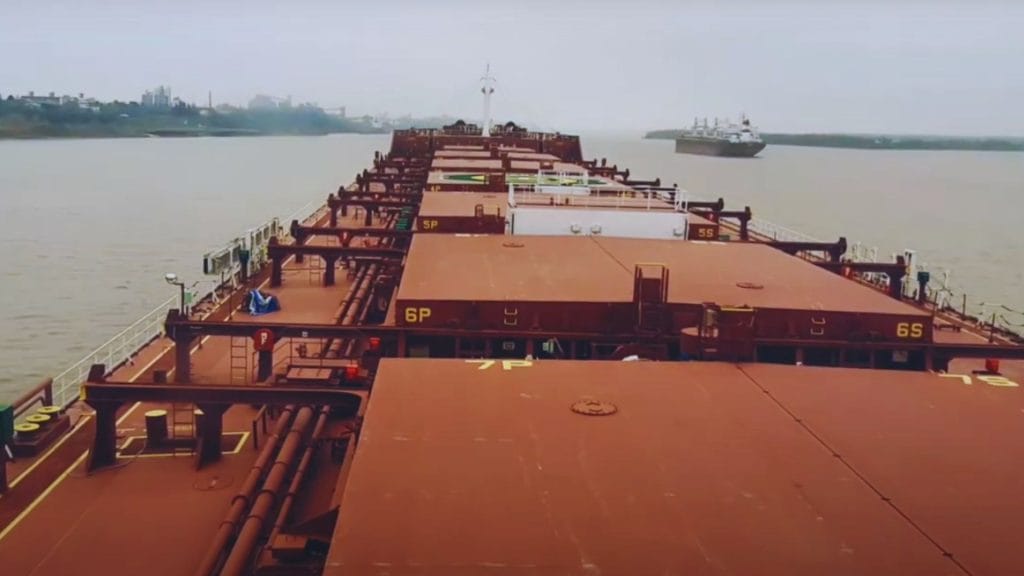
🛟 If You Are the Vessel Being Overtaken
As per Rule 13 of COLREGs:
“Any vessel overtaking any other shall keep out of the way of the vessel being overtaken.”
Your responsibility is simple:
- ⚓ Maintain your course and speed
- 👀 Keep watch on the overtaking vessel using radar and visual bearings
- 📻 Stay alert for VHF communication or signals
Do not alter course or speed unless absolutely necessary to avoid danger.
⚠️ Final Thoughts: Safety First in Narrow Channels
Narrow channels are collision-prone zones where hydrodynamic forces, limited sea room, and traffic congestion intersect.
To overtake safely:
- Understand COLREG Rules 9 & 13
- Plan and communicate via VHF
- Maintain proper CPA, speed, and course
- Monitor under-keel clearance, traffic, and situational changes
🎯 Professional navigation in confined waters demands proactive bridge teamwork and strong situational awareness.
📌 FAQ – Overtaking in Narrow Channels
Q: Can I overtake in a narrow channel at night?
A: Yes, but only if visibility is clear, communication is established, and Rule 9 conditions are met.
Q: Who is responsible during overtaking?
A: The overtaking vessel must keep clear and plan the maneuver safely. The overtaken ship must maintain course and speed.
Q: What equipment helps during overtaking?
A: Use radar, ARPA, ECDIS, echo sounder, AIS, and VHF for full situational awareness.
⚓ Conclusion
Overtaking in narrow channels is a maneuver that tests a navigator’s judgment, planning, and technical skills.
Following the COLREGs, especially Rules 9 and 13, and accounting for hydrodynamic effects are key to avoiding accidents.
Always plan ahead, communicate clearly, and maintain safe passing distances.
May the winds be in your favor.
Leave a Reply