


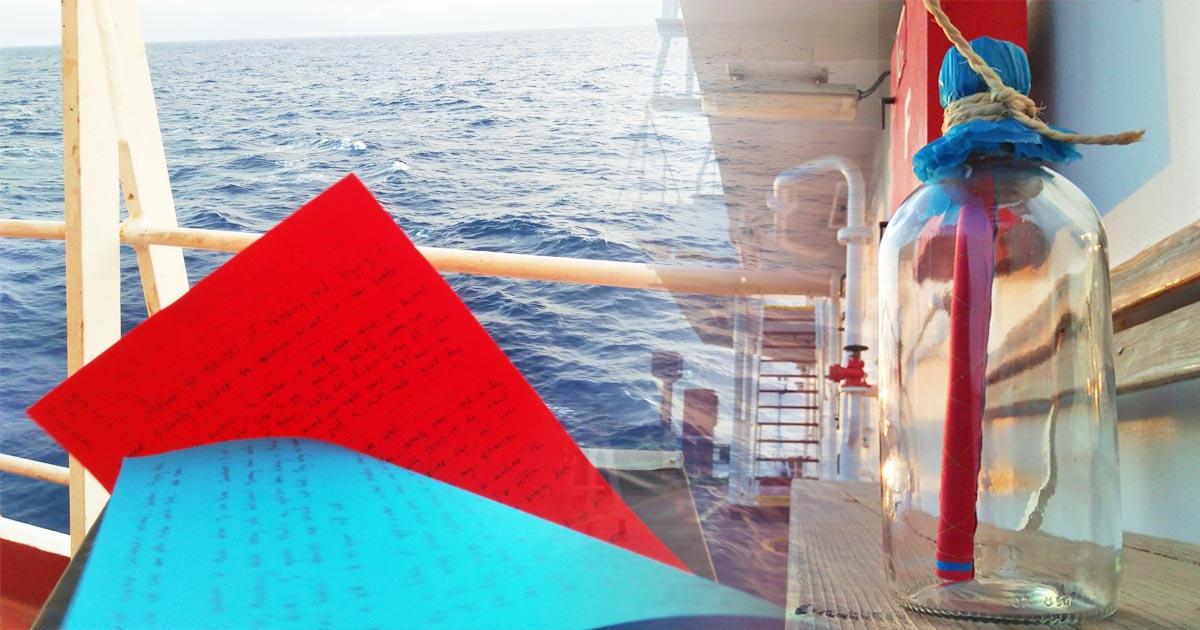
There’s something timeless about releasing a message in a bottle into the vast open sea.
It’s more than a romantic gesture- it’s a connection between the past and the future, between one sailor’s thoughts and a stranger’s discovery.
During my years as a seafarer, I sent three bottles into different oceans, not knowing if anyone would ever find them.
In this article, I’ll share my story, explain the maritime traditions behind it, and give practical tips for those curious about this old seafarer’s ritual.
My Experience Releasing a Bottle at Sea ⚓
During my decade working at sea, I released three bottles into different oceans: one in the Indian Ocean, another in the South Atlantic, and the last while navigating the Mediterranean Sea.
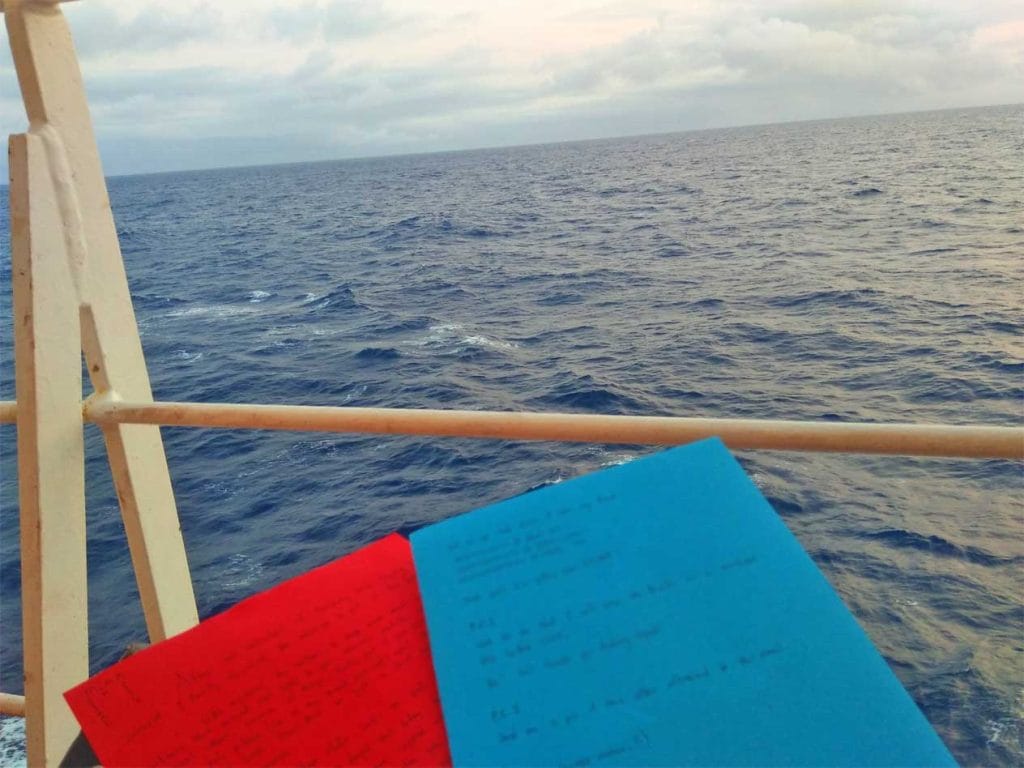
Each bottle carried handwritten notes- a mix of poetry, well-wishes, and personal thoughts- carefully sealed and set adrift.
The act itself was simple but meaningful.
Sitting outside the accommodation during sunset, I watched as the waves carried away something deeply personal, knowing that it could travel for hundreds or even thousands of miles.
I even included small rewards for anyone who might find them- one bottle had a promise of cryptocurrency for its lucky discoverer.
To this day, I haven’t received a reply. But for me, the magic lies in not knowing where the ocean took them.
The Meaning Behind the Tradition 📜
Writing a message in a bottle has fascinated sailors for centuries.
Historically, it was used to send distress signals, track ocean currents, or leave behind personal stories of life at sea.
For seafarers, the act is symbolic- a reminder of the ocean’s unpredictability and the fragile connection between humans and the sea.
It blends storytelling, exploration, and hope into one timeless tradition.
How to Write & Send a Message in a Bottle 📝
If you still want to experience this timeless seafarer’s ritual, here are practical tips based on my experience.
While I don’t encourage releasing bottles today due to MARPOL Annex V, these steps explain the traditional method:
Step-by-Step Guide
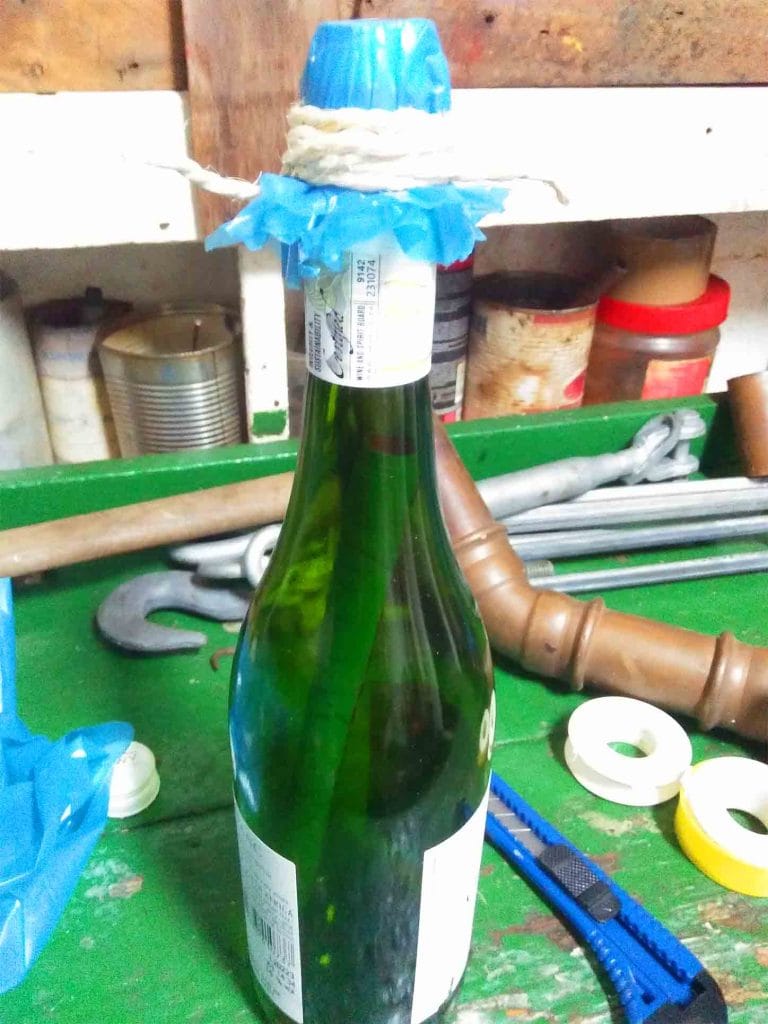
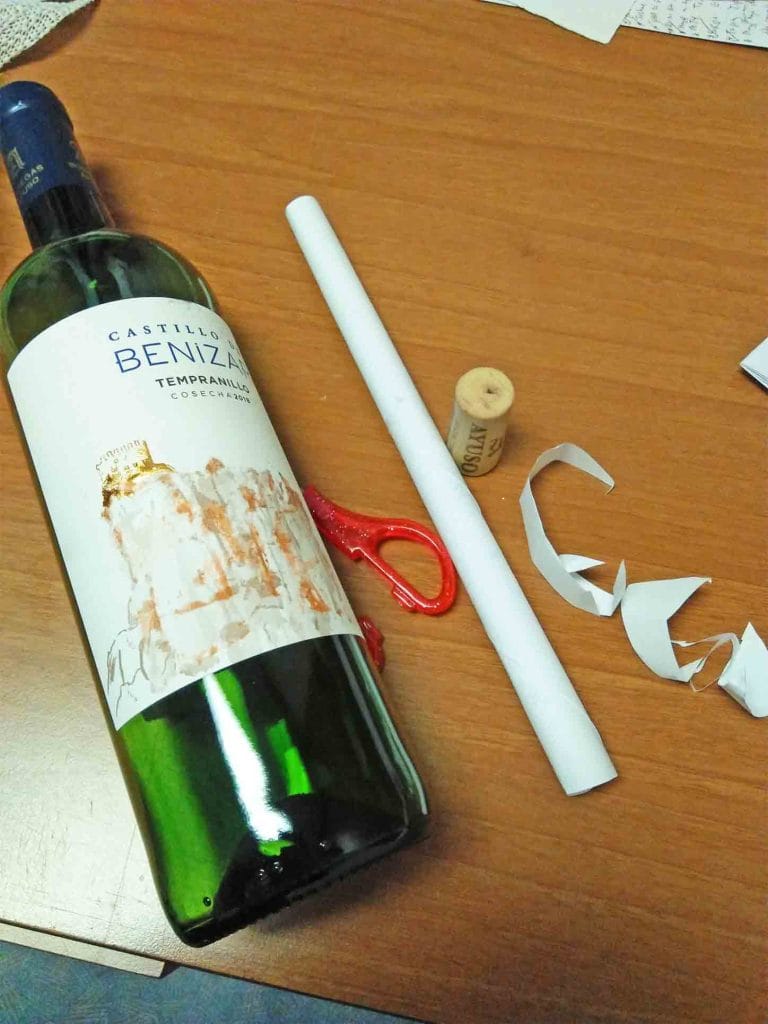
- Choose the Right Bottle – A wine bottle with a cork works best. Avoid metal caps since they rust over time.
- Pick the Correct Paper Size – Use bond paper that fits the bottle without folding. Rolling it loosely makes it easier to insert and remove.
- Write Clearly & Simply – Use large, legible handwriting so your message remains readable even after decades.
- Personalize the Letter – Include poetry, stories, or well-wishes. A little creativity makes it memorable.
- Add Contact Details (optional) – Some sailors include an email, postal address, or even a reward.
- Seal It Properly – Use wax, tape, or additional waterproofing on the cork to protect the contents.
- Pick the Right Waters – Traditionally, bottles are released in open seas where ocean currents can carry them farthest.
The Science of Ocean Drift 🌍
One reason messages in bottles are so fascinating is because of how far they can travel.
Ocean currents and prevailing winds act as natural conveyors, moving floating objects across vast distances.
For example, a bottled letter released in the English Channel once traveled over 10,000 miles to Australia.
Similar cases have been documented by oceanographic studies tracking floating objects across the Pacific, Indian, and Atlantic Oceans.
However, this randomness is part of the charm- you never know if, when, or where your bottle will resurface.
Conclusion ⚓
Sending a message in a bottle is more than a simple act- it’s about hope, curiosity, and the deep connection sailors share with the sea.
While environmental rules like MARPOL Annex V now discourage the practice, the tradition lives on through stories, history, and seafarer folklore.
If you’ve ever released one or found one, share your story- you might inspire the next sailor to dream beyond the horizon. 🌊
FAQs ❓
1. Is it legal to release a message in a bottle today?
Not always. Under MARPOL Annex V, releasing objects into the ocean may be considered marine pollution and could lead to penalties.
2. How far can a message in a bottle travel?
It depends on ocean currents and wind patterns. Some bottles have traveled thousands of miles, while others never resurface.
3. Are there alternatives that don’t harm the ocean?
Yes. You can create a digital message in a bottle or send a symbolic bottle during maritime events without releasing it into the sea.
May the winds be in your favor.
Leave a Reply