


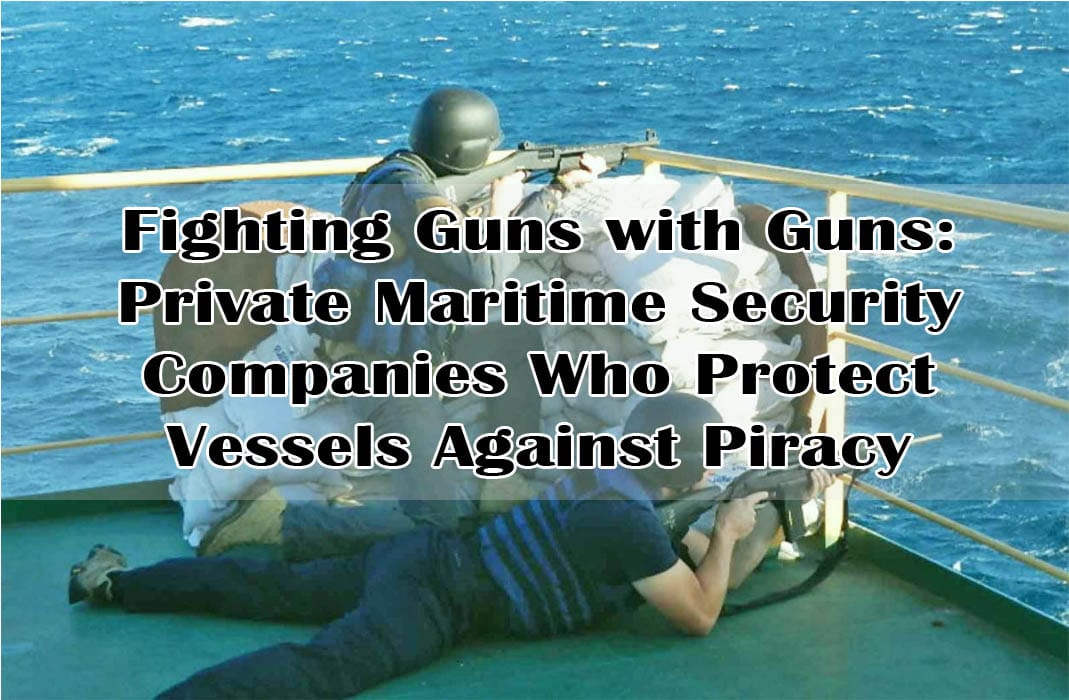
Between 2009 and 2011, the maritime world saw a dramatic surge in piracy particularly off the coast of Somalia and in the Gulf of Aden.
Merchant vessels, often slow and unarmed, became easy targets.
With millions of dollars in ransoms at stake, the maritime industry faced a critical question:
“If piracy is a real threat, why don’t ships just carry guns?”
⚖️ Why Ships Don’t Carry Guns
The idea of arming merchant vessels sounds logical but in reality, it’s far more complex.
International law, insurance liabilities, and operational risks make this approach nearly impossible for commercial shipping.
🛑 1. International Law: UNCLOS Article 19
Under the United Nations Convention on the Law of the Sea (UNCLOS), vessels passing through territorial waters must maintain innocent passage.
Article 19.1 prohibits any “exercise or practice with weapons of any kind” during passage.
Carrying guns- even if unused, can legally jeopardize port access, trigger inspections, or lead to arrests by coastal authorities.
🧩 2. Port State and Flag State Restrictions
Most countries prohibit unauthorized firearms on foreign vessels entering their waters, driven by:
- Concerns over arms trafficking
- Fear of accidental or intentional misuse
- Political and legal risks from onboard shootings
🔒 Result: Ships must either declare and surrender their weapons at port or avoid carrying them altogether- both of which are operationally unfeasible.
💸 3. Insurance and Liability Issues
Marine underwriters consider onboard firearms a high-risk liability, especially for tankers and chemical carriers.
Consequences include:
- Higher premiums for marine insurance.
- Requirement for special training, certification, and safekeeping
- Greater risks of accidents, misidentification, or crew altercations
⚠️ 4. Crew Safety and Morale
Arming seafarers who are not trained combatants raises serious HR and ethical concerns:
- Multinational crews may have conflicting views on weapons
- Gun-related incidents could erupt from interpersonal conflict
- Maintaining weapons responsibly is a full-time task
💡 The Practical Solution: Private Maritime Security Companies (PMSCs)
Because merchant ships can’t carry guns, and because piracy isn’t going away, shipowners began turning to Private Maritime Security Companies (PMSCs).
These firms provide Privately Contracted Armed Security Personnel (PCASP)– elite ex-military or law enforcement professionals who board vessels legally, remain compliant with international protocols, and deter piracy through:
- Measured and trained use of force
- Visible presence
- Rules of engagement
🏢 Top Private Maritime Security Companies in the World 🌍
With piracy hotspots still active across the Gulf of Guinea, Indian Ocean, and Southeast Asia, Private Maritime Security Companies (PMSCs) continue to play a critical role in vessel protection.
Below are the industry leaders- renowned for their operational capacity, legal compliance, and anti-piracy success rates.
Each company is vetted for:
- ✅ Experience in High-Risk Areas (HRA)
- ✅ Compliance with the ISPS Code and ISO 28007
- ✅ Armed and unarmed protection services
- ✅ Global deployment capability
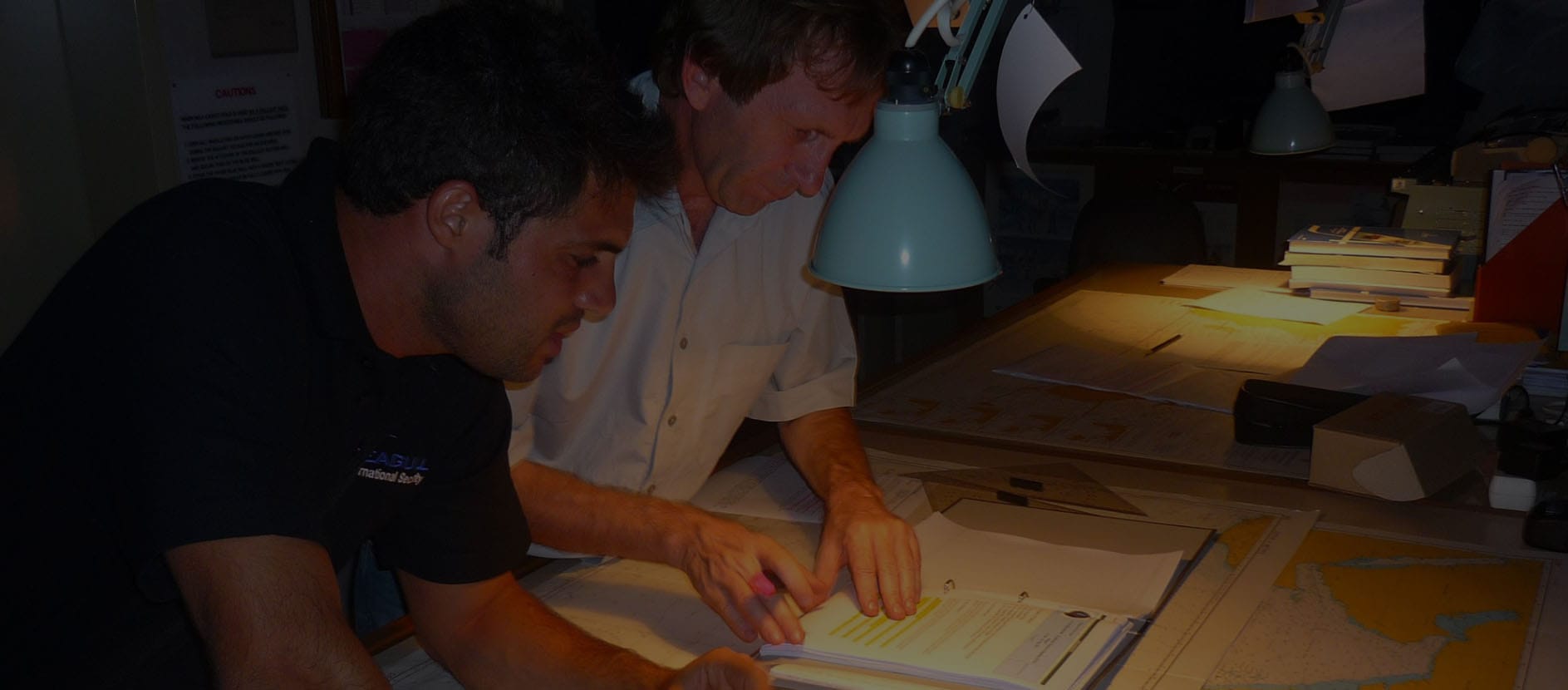
1. Seagull Maritime Security (SMS)
🔐 Overview: A specialist in maritime-only security since 2008.
📍 HQ: Malta
🌊 Coverage: Gulf of Aden, Red Sea, Indian Ocean
📈 Track Record:
- Zero crew or vessel casualties
- Hundreds of voyages secured
- Multiple pirate attacks repelled
- Expertise in High Risk Areas (HRA)
2. Hart Maritime Security
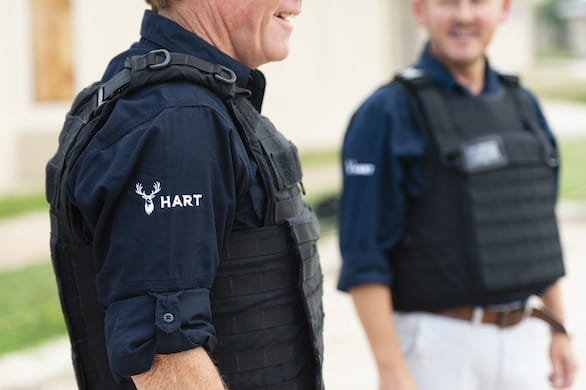
Hart Maritime Security is the security arm of Hart International in the maritime sector.
Hart’s first maritime contract was providing fisheries management and protection in challenging environments off the coast of Puntland, Somalia.
💼 Parent Company: Hart International
📍 Founded: 1999
🌍 Presence: Dubai, London, Limassol, Sydney, Mogadishu, Kabul
🛡️ Key Services:
- Vessel protection
- Fisheries management (Somalia)
- Intelligence for oil & gas clients
✅ 100% success rate with over 100 shipping companies
3. Solace Global
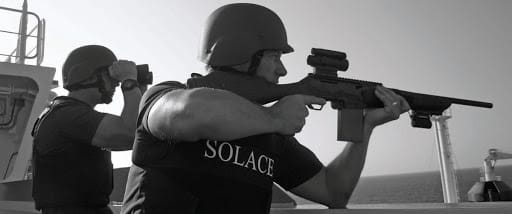
Solace Global is one of the world’s leading maritime security company protecting over 5,000 vessels in commercial shipping, cruise liners, oil majors, and super yachts.
🚢 Sector Expertise: Commercial shipping, cruise liners, superyachts, oil majors
📍 HQ: United Kingdom
🧭 Key Services:
- Vessel protection and stowaway prevention
- Vessel tracking
- Maritime intelligence
- Security audits and threat assessments
- Armed and unarmed escort teams
📊 Experience: Over 3 million man-hours at sea
🌐 Coverage: Global
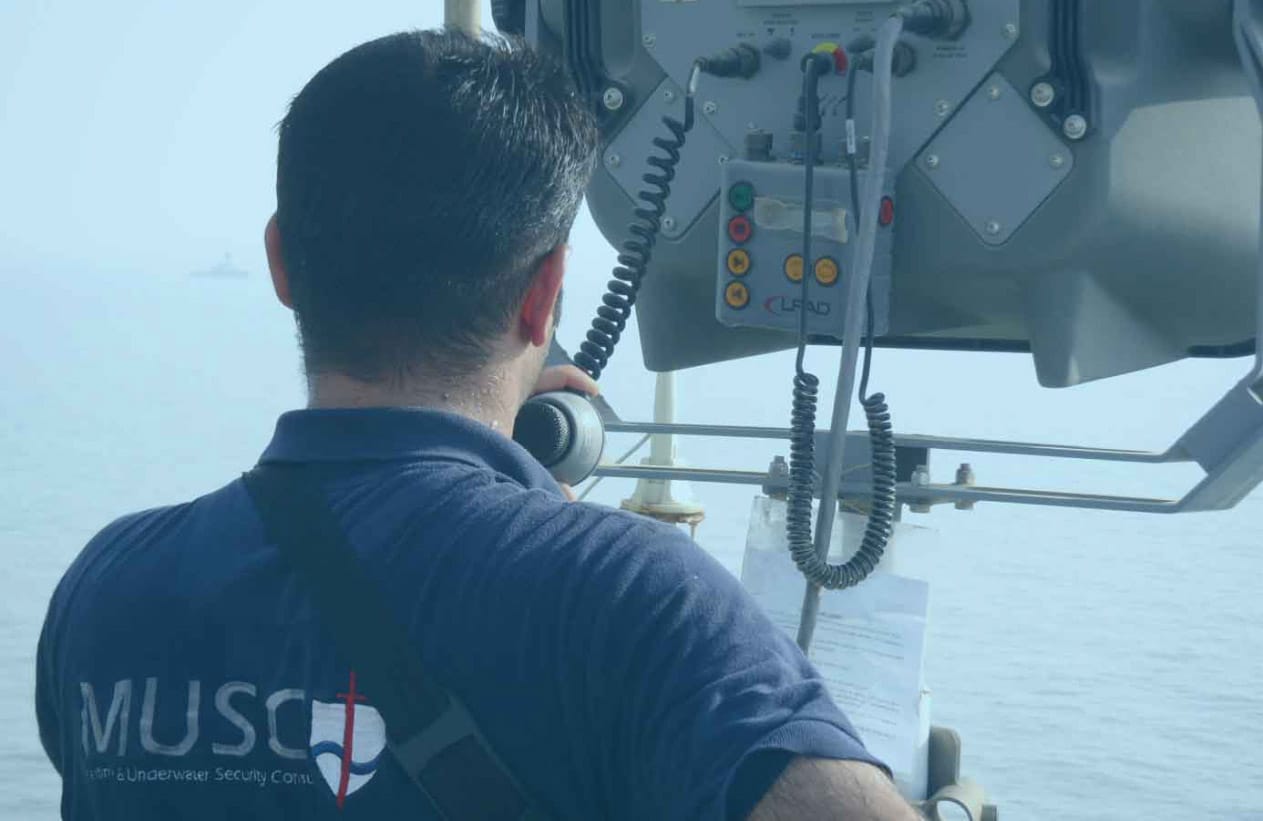
4. MUSC
As the world’s oldest maritime security agency, MUSC have extensive experience in providing security related advice, consultancy, assessment and operations.
They have an unparalleled history of successful executions of maritime risk services including high-risk projects in some of the world’s most volatile locations.
Key Highlights:
🕰️ Legacy: World’s oldest maritime security agency
🏛️ Established: Early contributor to the ISPS Code (2001)
📍 Operations: Somalia, Libya, Iraq
👥 Personnel: Ex-military professionals from elite units
🧱 Specialization: Counter-piracy, onboard security, and vessel hardening
💬 Client Quote (KOTC Captain):
Client Testimonial:
As one Captain of Kuwait Oil Tanker Company (KOTC) puts it,
MUSC’s security team is professional, cooperative, and makes our crew feel safer at all times.
5. Maritime Asset Security and Training (MAST)
MAST is a pioneer in developing maritime security and risk management concepts for ships.
It is one of the first maritime security companies in the world to legally dispatch private armed guards on commercial vessels and yachts.
Key highlights:
🚩 Pioneer in legally deploying PCASP
🛡️ Transits Completed: 6,000+ with zero failures
⚙️ Team: Ex-Royal Navy, legal and insurance experts
📍 Offices: UK, Germany, Monaco, Sri Lanka
🌍 Focus Regions: Red Sea, Sulu Sea, West Africa
6. Ambrey Security
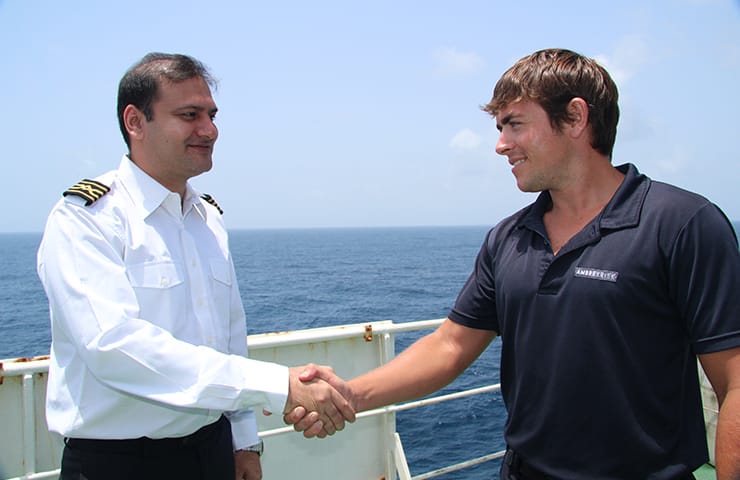
Ambrey is one of the best and most equipped maritime security companies in the world.
An award winning company, they protected more ships than any other agencies in this field.
Key highlights:
🏆 Industry Leader: Most transits completed globally
📊 Stats:
- 17,000+ armed transits
- 180 vessels protected per day
- 1,046 security guards deployed
🛥️ Assets: 16 company-owned support vessels, 1,300+ firearms
📍 HQ: UK with 10 global offices
🔑 Client Focus: Tailored maritime security packages
7. Neptune P2P Group
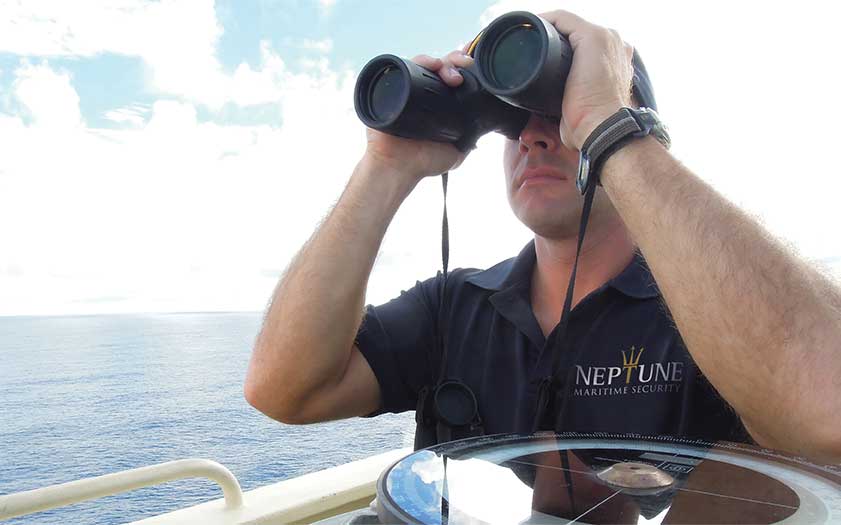
Founded by two former members of the UK’s Special Forces in 2009, Neptune Maritime Security was a response to the growing number of Somali Piracy.
Key Highlights
🎖️ Founded: 2009 by former UK Special Forces
📍 Bases: UK, UAE
🛠️ Services:
- Risk consultancy
- Armed and unarmed security
- Port & terminal protection
📊 Metrics: - 6,000+ transits
- 94% client satisfaction
Specialized Expertise:
- Risk consultancy
- Tailor-made security solutions for:
- Merchant vessels
- Cruise ships
- Superyachts
- Oil and gas
- Ports and terminals
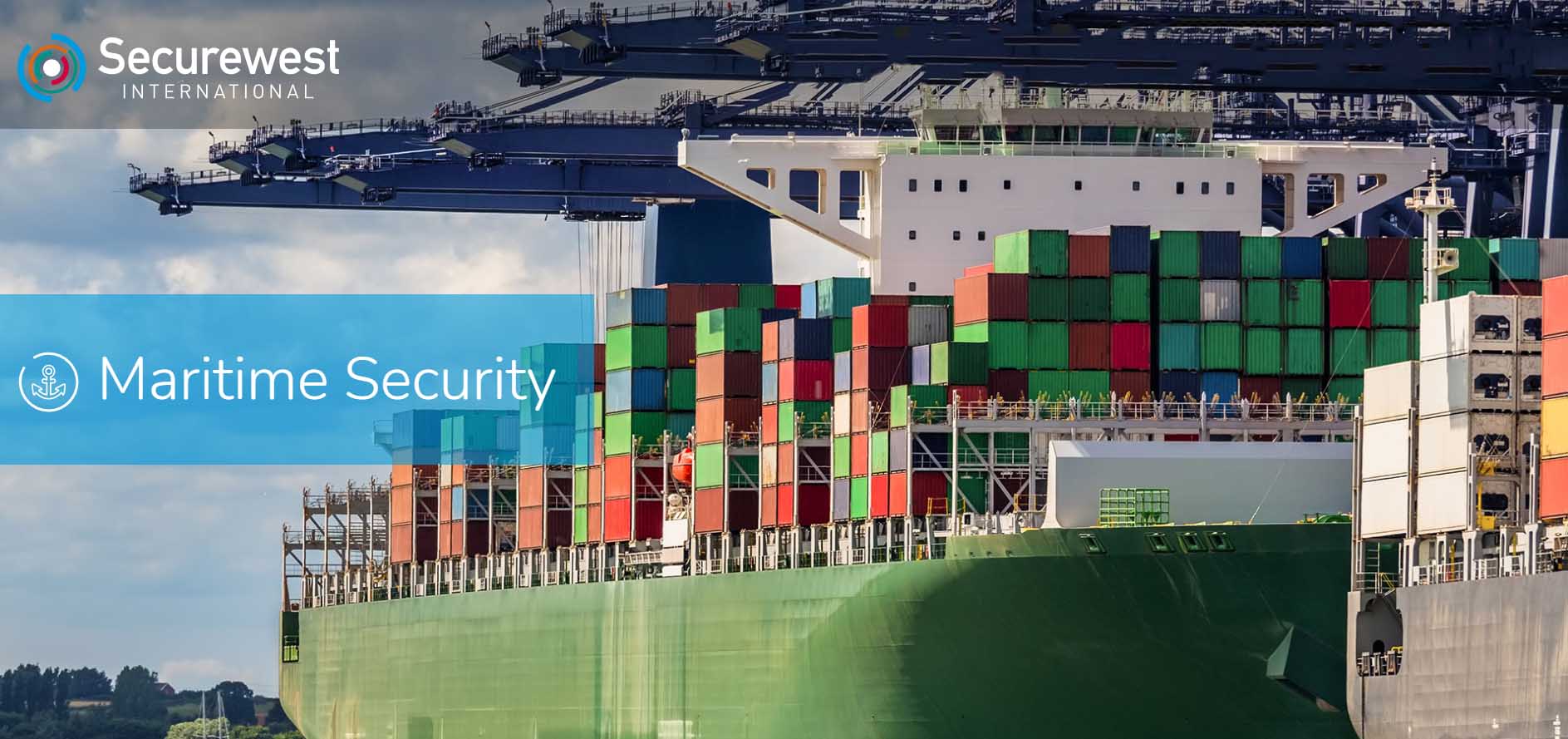
8. Securewest International
Securewest International has over 30 years of experience in different sectors of global security.
Though not a fully maritime security company, their maritime security teams are one of the best in the world.
Key Highlights
🌐 Experience: 30+ years in global security
⚓ Maritime Areas Covered: Gulf of Guinea, Persian Gulf, Indian Ocean
📍 HQ: UK
🛡️ Key Features:
- 24/7 Global Response Center
- Ship Security Alert Systems (SSAS) Monitoring
- ISO 28007 and ISPS Code compliant
🔐 Services: Security audits, crew training, voyage assessments
Although not exclusively a maritime security company, Securewest’s maritime teams are among the best globally.
🧭 Final Thoughts: Navigating Maritime Security in a Complex World
While international laws and insurance frameworks limit a ship’s ability to carry weapons, the rise of professional maritime security firms has reshaped how vessels stay safe in piracy-prone waters.
✅ Shipowners no longer rely on hope or unarmed deterrents.
Instead, they contract experienced PMSCs that deliver:
- Legal compliance
- Deterrence through presence
- Proven success in thwarting piracy attacks
Even the sight of an armed guard on deck is often enough to send pirates fleeing.
❓ FAQs: Private Maritime Security & Armed Guards on Ships
🔹 Why can’t merchant ships carry their own guns?
Due to international law (UNCLOS), port state restrictions, and insurance liabilities, ships are legally and logistically restricted from carrying firearms.
🔹 Are private armed guards legal on commercial vessels?
Yes, if the flag state and coastal states approve. PMSCs must comply with IMO guidelines and the ISPS Code.
🔹 Has piracy decreased because of PMSCs?
Yes. Armed guards are a proven deterrent, and no ship protected by certified PCASP teams has been hijacked by Somali pirates.
🔹 How do shipowners choose a security company?
Factors include experience, ISPS/ISO compliance, presence in high-risk areas, and cost-effectiveness.
🔹 Do all PMSCs use armed guards?
No. Some offer unarmed deterrence, stowaway prevention, and security consultancy. Services are tailored to risk levels and vessel type.
📣 Call to Action: Stay Protected at Sea 🌊
If your vessel operates in high-risk areas, partnering with a vetted private maritime security company isn’t optional- it’s essential.
Ensure your crew, cargo, and vessel stay protected under legal, ethical, and effective security protocols.
May the winds be in your favor.
Leave a Reply