



In 2009, I began my life at sea like many Filipinos- seeking better income, adventure, and stability.
For decades, we’ve been the world’s preferred crew, valued for skill, discipline, and English proficiency.
But global shipping is changing. New labor markets and emerging technologies, like autonomous vessels, are threatening our position.
Here’s what’s driving this shift and how we can prepare for the future.

Why Filipinos Became the World’s Preferred Choice ⚓
From the 1970s to the early 2000s, shipowners in Europe, the United States, and Japan increasingly hired Filipino sailors.
There are several reasons for this shift:
1. Competitive Costs
- Foreign shipowners could save thousands to millions of dollars annually by hiring Filipinos instead of local seafarers from their own countries.
- In many developed nations, seafarers receive full annual salaries for just six months of work, plus extensive benefits like health insurance, pensions, and paid training.
- Filipino seafarers, by comparison, work on contractual terms with lower salaries by international standards, yet still significantly higher than most local Philippine jobs.
2. Strong Work Ethic and Professional Reputation
- High proficiency in English makes communication smoother onboard international vessels.
- A reputation for discipline, adaptability, and teamwork has built trust with shipowners.
- Training from Philippine maritime schools meets global standards, with many accredited under STCW (Standards of Training, Certification and Watchkeeping).
3. Cultural Fit
- A willingness to extend contracts and remain loyal to employers helps reduce crew change costs.
- Filipinos often adapt well to multicultural crews, which is essential for smooth onboard operations.

Emerging Labor Markets – The New Competition 🚢
While Filipinos remain a leading choice, the maritime hiring market is evolving.
Countries like China, Vietnam, Indonesia, Myanmar, and Thailand are becoming attractive to shipowners for one primary reason – lower operational costs.
The Cost-Driven Shift
- Shipowners are under constant pressure to reduce expenses in an increasingly competitive global trade environment.
- Crewing costs make up a significant portion of a ship’s operating budget, and emerging labor markets offer salaries even lower than the Philippines, without sacrificing availability of manpower.
The Skill Gap is Closing
Many argue that the quality of work and English proficiency among these crews still lags behind Filipino standards, and in some cases, this is true.
But ship superintendents note that these countries are rapidly improving training standards and investing heavily in maritime education.
“They are learning and trying very hard,” one superintendent told me – a statement that should serve as a wake-up call for us.
The Bigger Picture
This trend is not unique to shipping.
Many industries – from automotive manufacturing to electronics and shipbuilding, are shifting operations to lower-cost countries.
Maritime crewing is simply part of a larger global economic pattern.
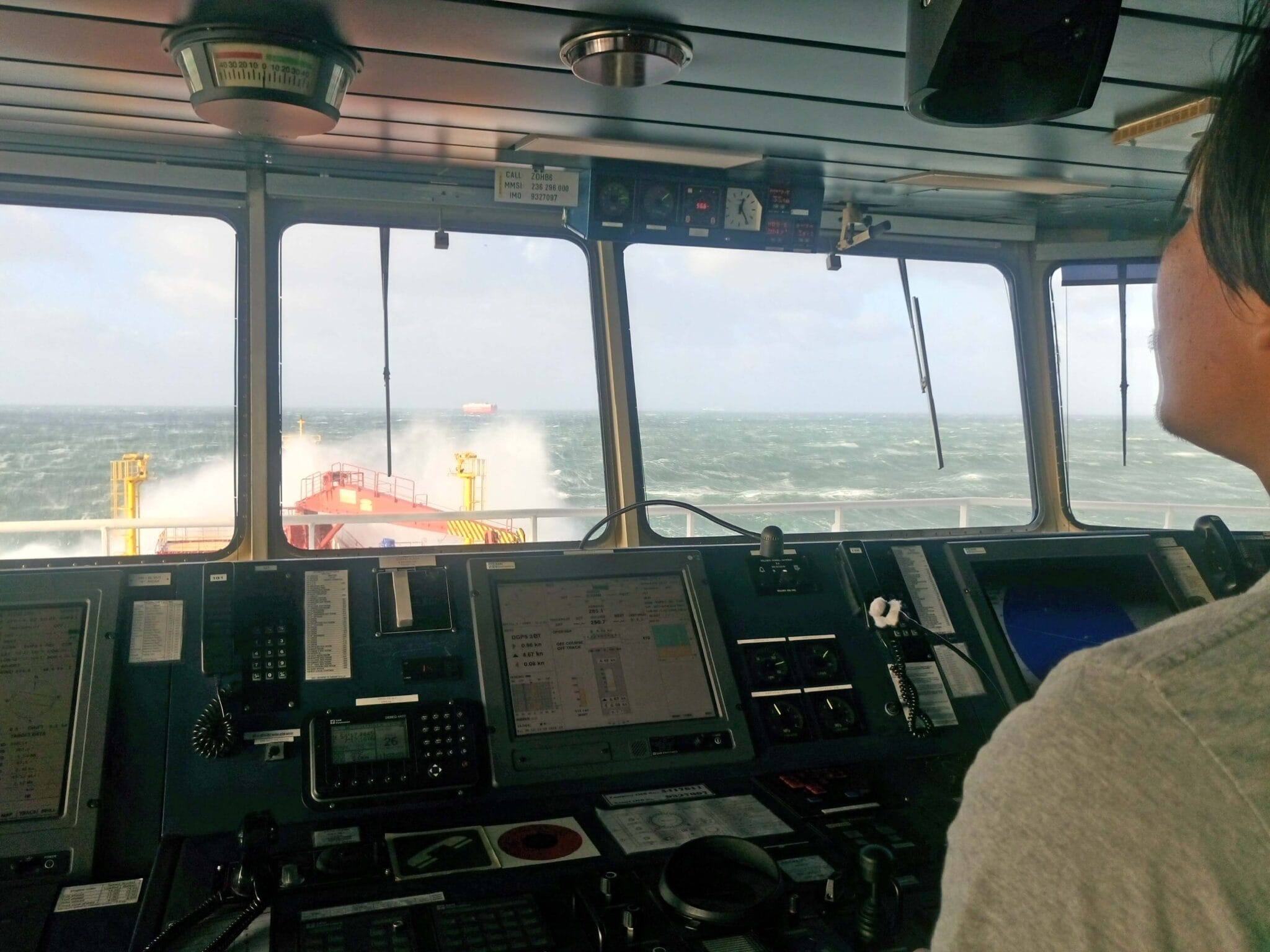
The Rise of Autonomous Ships – A Real Maritime Disruptor ⚙️
One of the most significant threats to traditional seafaring jobs is the rise of autonomous vessels.
Companies like Rolls-Royce and the developers of the Yara Birkeland are already conducting sea trials for unmanned ships.
While many seafarers believe this technology is decades away, history tells us otherwise.
Every major innovation- from ECDIS to GPS navigation, from containerization to electronic payments, was initially met with skepticism before becoming standard.
Why This Matters for Seafarers
- Reduced Crew Demand – Even semi-autonomous ships will require fewer officers and ratings.
- New Skill Requirements – Positions may shift towards remote vessel monitoring, cybersecurity, and systems maintenance.
- Global Impact – Automation could influence both developed and developing countries, eroding wage advantages for low-cost labor markets.
How Seafarers Can Future-Proof Their Careers ⛵
The maritime industry is changing- but so can we.
Seafarers who adapt will remain valuable, even in a more competitive and automated future.
1. Upskill for the Digital Age
- Learn maritime cybersecurity, remote vessel operation, and data analysis.
- Obtain certifications in electrical/electronic control systems and advanced navigation software.
2. Build a Wider Professional Profile
- Diversify by training in shore-based maritime careers such as fleet management, port operations, or safety auditing.
- Improve cross-functional skills – communication, leadership, and cultural intelligence.
3. Stay Updated with Global Maritime Trends
- Follow reports from BIMCO, ICS, and the International Maritime Organization.
- Network through maritime associations and online forums to learn from other professionals.
Conclusion – The Call to Action for Filipino Seafarers 📢
Filipino seafarers remain among the most respected in the world, but respect alone does not guarantee job security.
The combined forces of cheaper international labor and technological disruption are already shaping the industry.
Those who act early- by learning new skills, embracing technology, and diversifying their career options, will thrive in this new era of global shipping.
The sea will always need capable mariners, but the definition of a “capable mariner” is changing fast.
The question is not whether the tide is turning, it already has. The real question is: will you sail with it or be swept away?
FAQ – Filipino Seafarers and the Future of Maritime Jobs
Q1: Will Filipino seafarers lose jobs to cheaper crews?
Yes, cost pressures are pushing shipowners to hire from other Asian countries. However, maintaining superior skills and professionalism can help retain our edge.
Q2: When will autonomous ships become common?
Industry experts predict increased adoption within the next 10–15 years, starting with short-sea and coastal trades before expanding to deep-sea routes.
Q3: What skills will future seafarers need?
Technical proficiency in automation systems, cybersecurity awareness, and adaptability to mixed crew environments will be essential.
May the winds be in your favor.
Leave a Reply