


The COVID-19 pandemic disrupted nearly every aspect of global life- and the maritime sector was no exception.
As governments enforced lockdowns, imposed travel restrictions, and shut down ports, seafarers found themselves in an unprecedented situation.
While much of the world adapted to staying at home, seafarers were isolated aboard their ships- cut off from loved ones, unable to sign off, and exposed to health and safety uncertainties.
This article explores what life was like for seafarers at sea during the height of the coronavirus outbreak, including crew change suspensions, shore leave bans, and evolving onboard protocols.
⚓ Life at Sea Before the COVID-19 Pandemic
In February 2020, seafarers continued signing on and off ships under normal conditions.
Major airports in Manila, Doha, and Madrid were operational, with minimal signs of alarm.
A few travelers wore masks, but the atmosphere remained mostly calm.
When I signed on in Algeciras, Spain, there was no hint of an incoming global crisis. The weather was warm, and people went about their daily routines.
There were no port health measures or special precautions from shore personnel- just the usual personal protective equipment (PPE) required for operations.
Onboard, life continued as usual. Our ship had a short-term time charter, so the entire crew was busy with quick turnaround port calls.
With two voyages per week, there was hardly time to follow the news.
Unbeknownst to many of us, the virus had already begun its rapid spread across Europe.

🦠 When COVID-19 Reached the Ports
By early March, while docked in Sines, Portugal, we started noticing subtle changes.
When a jetty worker delivered a spare battery for our radio, he wrapped it in tissue and maintained a strict distance- two arms’ length.
At the time, we assumed he was simply being overly cautious.
Soon after, the real picture became clear. News outlets reported alarming spikes in COVID-19 cases across Italy, Spain, and France.
Governments declared health emergencies and imposed nationwide lockdowns.
Countries began sealing their borders, and ports started to introduce stringent restrictions, including the suspension of shore leave and potential isolation measures for ships coming from affected regions.
The virus had officially reached maritime gateways- and with it, came widespread operational and psychological impacts for crews at sea.
👨✈️ Suspended Crew Changes
As the outbreak intensified, countries around the world began enforcing travel bans and closing borders.
Commercial airlines reduced operations or grounded entire fleets. Immigration agencies and crew handling centers shut down.
This brought one critical outcome for seafarers: indefinite suspension of crew changes.
- Crewmembers who were due to go home had to stay aboard beyond their contracts.
- Off-signers stuck ashore couldn’t join their vessels due to entry bans and lack of outbound flights.
- Even those transiting via major hubs (e.g., Singapore, Dubai, Doha) found their flights canceled.
This placed a financial strain on home-based seafarers who had no income during their extended vacation- and a mental toll on those stuck onboard without knowing when they’d be relieved.

⛔ Cancelled Shore Leave
Shore leave is a small but important respite for seafarers.
In European ports, especially those along the Mediterranean coast, it’s an opportunity to breathe fresh air, connect with the outside world, and reset mentally.
But that too changed rapidly. While sailing near Spain, we received a VHF broadcast from the Port Control:
“Shore leave is not permitted in Spanish ports due to COVID-19 restrictions.“
Even if local regulations allowed limited shore leave, many Captains enforced internal bans as a precaution.
And even if shore leave was granted, the city was in total lockdown- cafes, restaurants, and shops were all closed.
For the crew, it meant more time confined within the ship’s steel walls- an environment that now mirrored a floating quarantine facility.
🛳️ Stranded Cruise Ships and Port Denials
The cruise industry was among the hardest hit sectors during the early months of the pandemic.
Multiple cruise liners reported confirmed COVID-19 cases among passengers and crew, prompting widespread panic and media attention.
Ports around the world began refusing entry to cruise ships- even those without symptomatic individuals, fearing onboard outbreaks.
Some vessels were left anchored offshore for weeks, awaiting diplomatic negotiations or health clearances.
⛔ Examples of major cruise impacts:
- Certain ships were only allowed to dock after political intervention, like in Cuba, where humanitarian assistance was granted.
- Crews on these vessels faced prolonged isolation, with restricted communication, dwindling medical supplies, and growing anxiety.
📉 How the Pandemic Affected Global Shipping
The ripple effects of COVID-19 extended far beyond cruise ships.
The commercial shipping sector- responsible for 90% of global trade, also faced economic shockwaves.
🌍 Global Consumption Drops
Lockdowns around the world shuttered factories, closed borders, and slowed consumer demand.
With people staying home and many businesses pausing operations, imports and exports plummeted.
Ships, which once transported electronics, textiles, construction materials, and consumer goods, were now mostly moving:
- Medical equipment
- Pharmaceuticals
- Food supplies
- Raw materials for essential industries
Bulk carriers and container ships experienced delays, port congestion, and cancellations. Many vessels were rerouted, idled, or even laid up.
📉 Economic Consequences
The shipping industry- often seen as a barometer of global economic health, reflected the crisis in real-time:
- Stock markets nosedived as shipping indices fell.
- Freight rates fluctuated, driven by inconsistent cargo demand.
- Logistics chains broke, causing domino effects in manufacturing and retail.
While the world paused, seafarers kept global trade moving but at significant personal and professional cost.

🧬 Are Seafarers Safe from COVID-19 at Sea?
One of the most pressing concerns for maritime professionals was whether ships could remain virus-free while at sea.
On paper, a vessel in open waters seems like the perfect quarantine zone- isolated, self-sufficient, and cut off from public spaces.
However, this isolation comes with critical vulnerabilities:
⚠️ Exposure During Port Calls
- Every port call introduces external contact- via pilots, agents, stevedores, or surveyors.
- Even without physical contact, cargo, provisions, and spare parts handled ashore can become potential carriers of the virus.
- Asymptomatic visitors may unknowingly transmit the virus to crew.
🛑 Risks of Onboard Transmission
If one crew member becomes infected:
- The entire vessel is at risk due to shared spaces (mess halls, accommodation, workstations).
- Onboard isolation is possible but extremely limited in capacity and effectiveness.
- Vessels lack advanced medical equipment or testing kits, making detection and containment difficult.
In such scenarios, even a common flu can trigger panic, especially if symptoms resemble COVID-19 (fever, fatigue, cough).
🧠 The psychological stress of a potential outbreak, combined with long periods at sea, amplified mental fatigue among seafarers- especially with no certainty of crew change or disembarkation.
🌊 Is It Safer to Stay at Sea?
In many ways, yes.
Seafarers on long voyages or extended anchorage benefitted from natural isolation. With no outside contact and strict onboard controls, ships could remain COVID-free.
Some vessels that sailed for 30–60 days uninterrupted avoided all virus-related incidents entirely. Their risk only increased upon arrival in port.
That said, this “floating quarantine” came at a cost:
- Extended contracts due to suspended crew change
- Emotional strain from being cut off from family
- Limited medical response in case of emergencies
Still, many seafarers agreed that it was better to stay at sea than risk exposure ashore during the height of the pandemic.

⚓ Measures Taken by the Maritime Industry
As the pandemic escalated, international maritime bodies, port states, and shipping companies launched initiatives to protect crew welfare while ensuring the continuity of global trade.
🌐 Global Leadership: IMO and WHO
- The International Maritime Organization (IMO) coordinated efforts with member states to facilitate safe port access and advocate for the recognition of seafarers as key workers.
- The World Health Organization (WHO) provided technical guidance for ports and ships, emphasizing crew protection, health screening, and hygiene protocols.
Shipping companies, in compliance with these directives, implemented onboard safety measures to mitigate virus transmission.
📢 Information Dissemination Onboard
Knowledge became the first line of defense.
To protect seafarers, companies prioritized timely and accurate COVID-19 information.
📋 Common onboard practices included:
- Posting WHO guidelines in mess halls and common areas
- Distributing official circulars and safety bulletins
- Conducting safety toolbox meetings focused on hygiene awareness
- Designating safety officers to monitor compliance
Seafarers were encouraged to stay updated and alert, especially during port operations, where infection risks were higher.
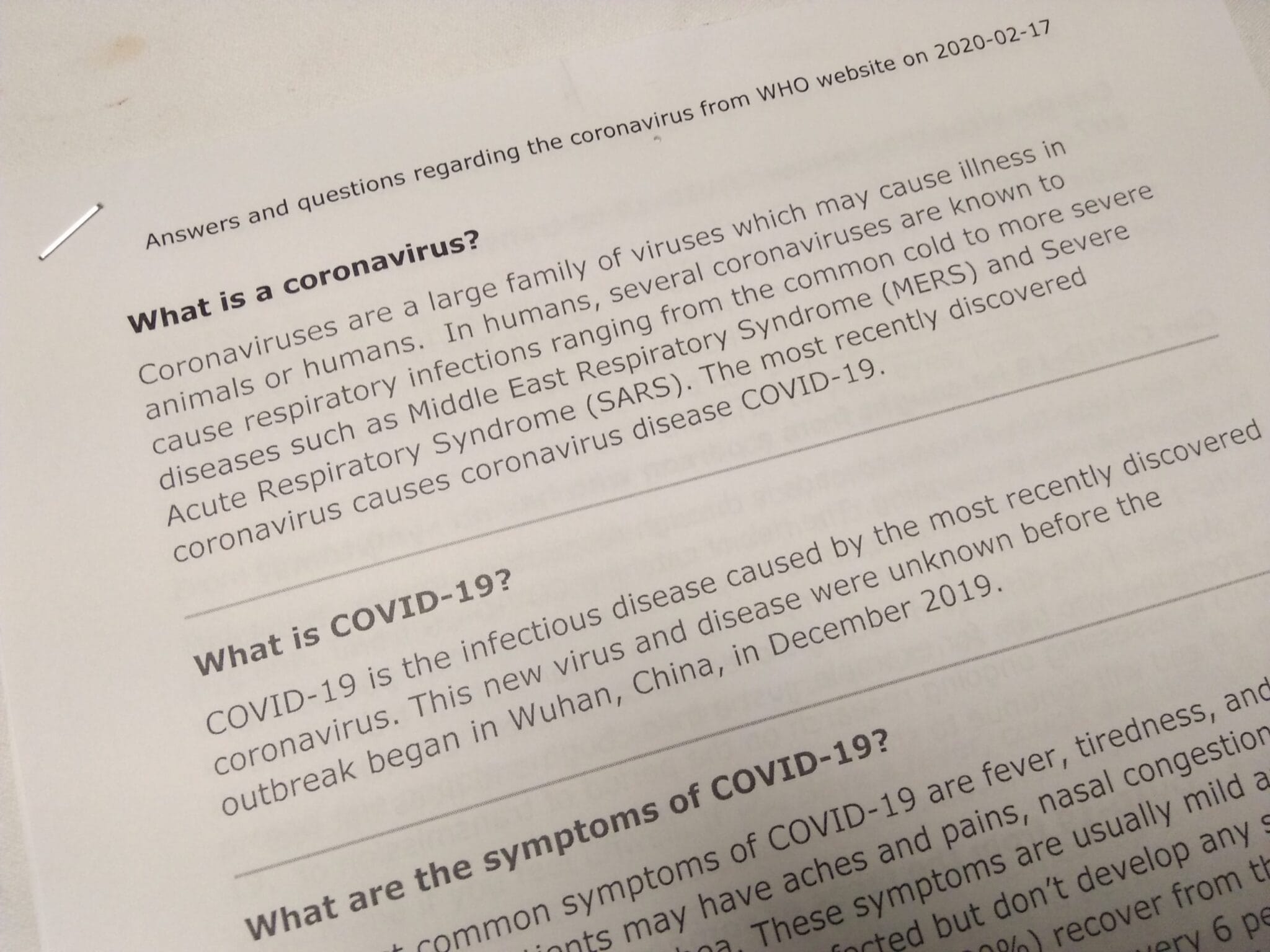
🛑 Delayed Crew Changes: A Difficult but Necessary Decision
In many cases, companies suspended crew changes indefinitely.
While this extended time onboard for many, the decision aimed to reduce infection risks linked to air travel, quarantine protocols, and cross-border restrictions.
✈️ Travel Risk Factors:
- Exposure at airports, terminals, and immigration lines
- Quarantine policies in home countries
- Government shutdowns of medical and processing facilities
Even for seafarers who reached their home countries, mandatory 14-day self-isolation became standard. This delay impacted emotional health, family reunions, and financial planning.
Despite the hardships, many understood that staying onboard meant staying safe– both for themselves and their families.
⚠️ Port Precautions and Gangway Protocols
Ports that remained operational enforced strict health controls to prevent shipboard infections.
In coordination with port authorities, shipowners adapted their Standard Operating Procedures (SOPs) to fit pandemic conditions.
🚧 Precautionary Measures Included:
- Mandatory health screening for visitors
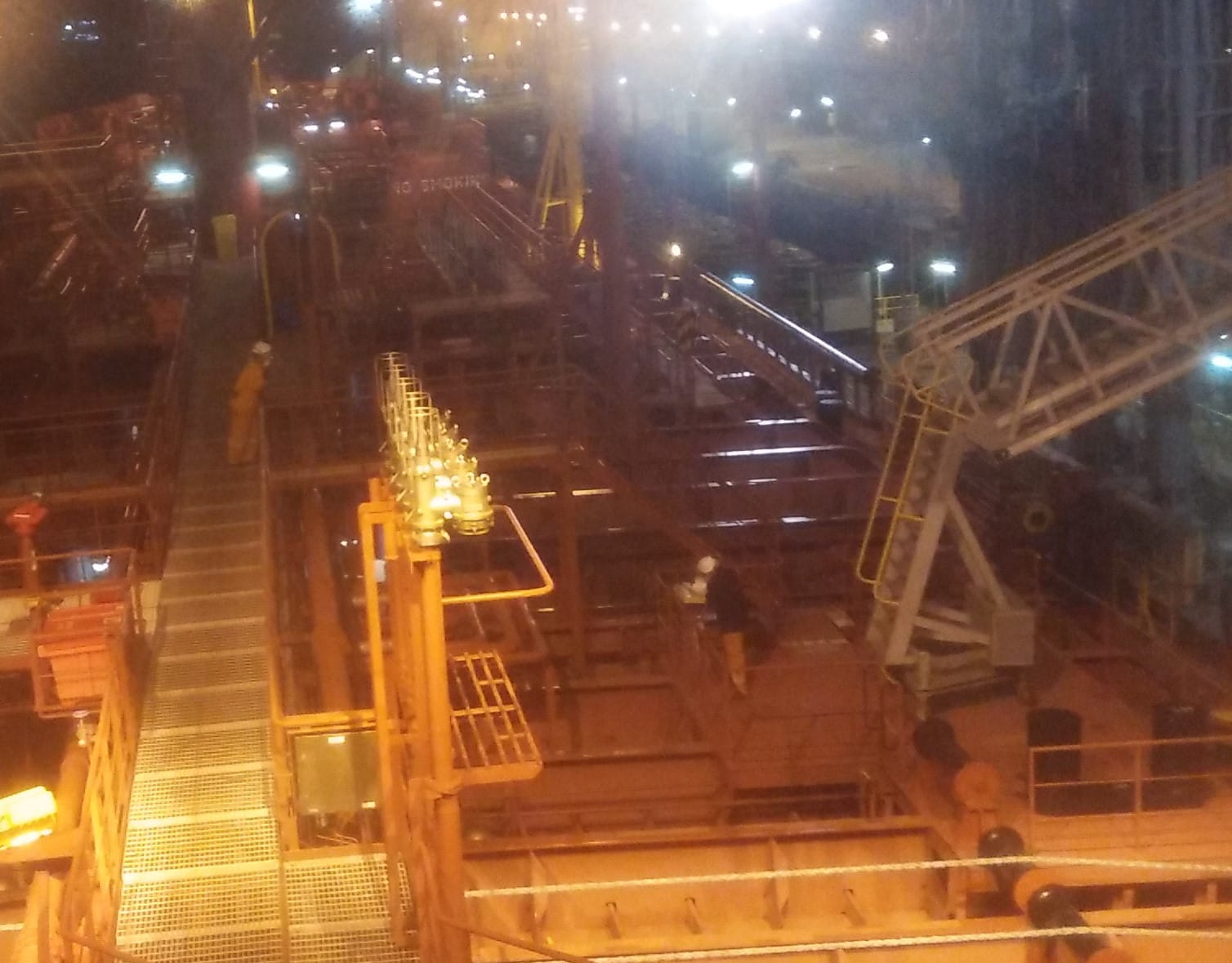
- Gangway watchmen in full PPE: masks, gloves, goggles, and face shields
- Use of disinfectant sprays on documents and tools
- Designated interaction zones for crew and visitors
- 2-meter physical distancing on board and at the gangway
Both crew and shore personnel viewed each other as potential carriers of the virus- resulting in mutual caution and heightened sanitation discipline.
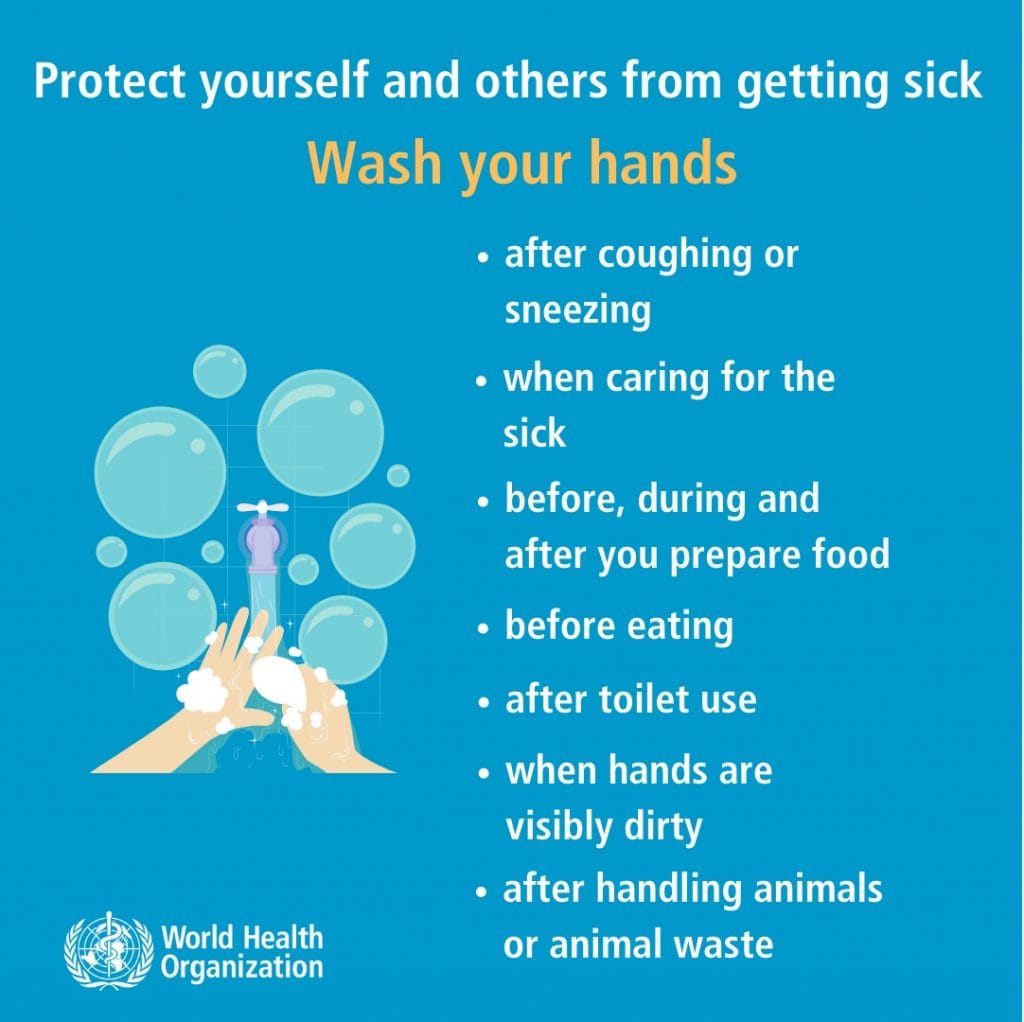
🧼 WHO-Recommended Hygiene Guidelines for Seafarers
The WHO issued comprehensive hygiene protocols, which were adapted for maritime settings.
These served as the baseline for onboard personal and operational hygiene.
🧽 Key Recommendations:
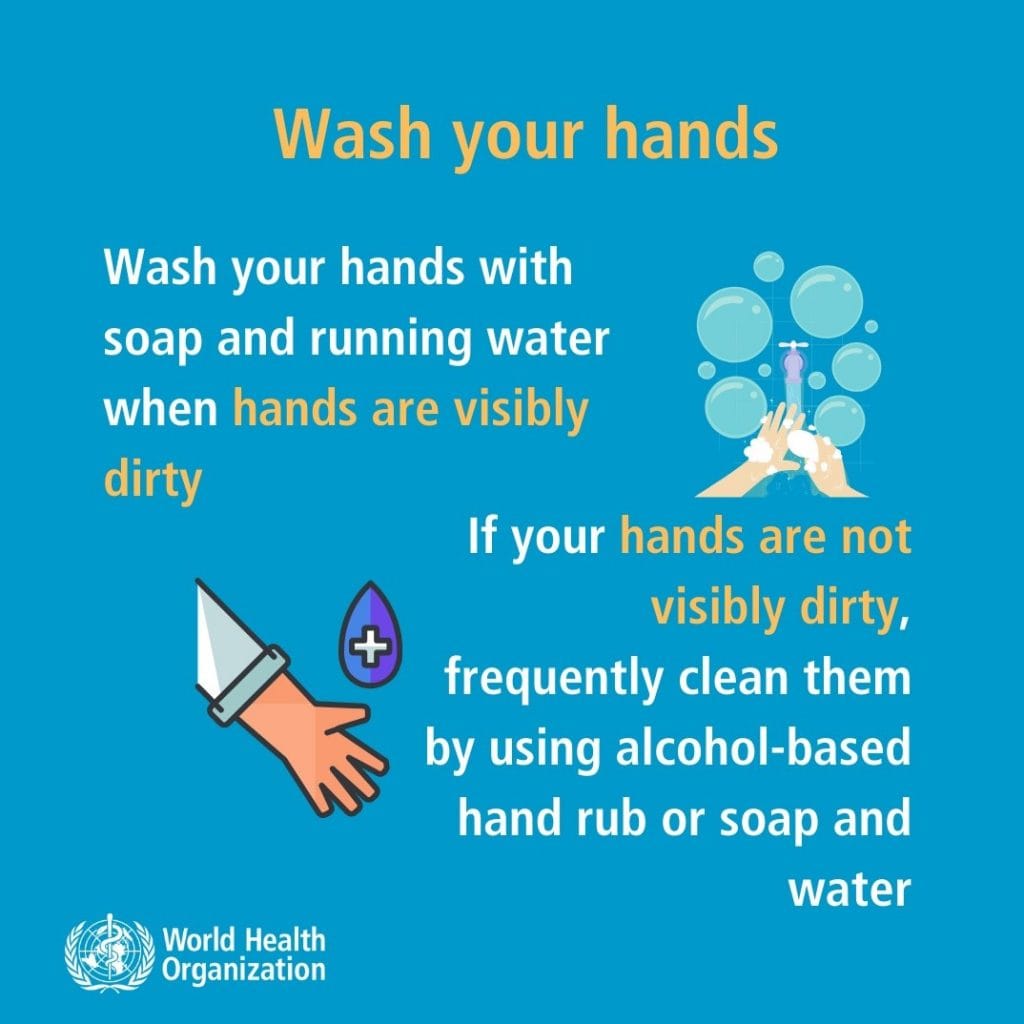
- Wash hands frequently with soap or alcohol-based hand rub
- Avoid touching eyes, nose, and mouth
- Practice respiratory etiquette (cover coughs and sneezes)
- Maintain a 1-meter distance from others
- Disinfect common areas and shared equipment
- Wear PPE during port interactions
- Avoid consumption of raw or undercooked animal products
- Self-isolate immediately when showing flu-like symptoms
These simple but effective measures helped minimize onboard transmission and built a culture of health vigilance at sea.
💬 Final Thoughts: Seafarers Held the Line
While much of the world stayed home, seafarers sailed on– ensuring that vital goods continued to flow across continents.
They endured prolonged isolation, suspended shore leaves, and heightened health risks.
This pandemic revealed the fragility of global logistics and the resilience of maritime professionals.
The lessons learned shaped better protocols, stronger welfare campaigns, and a renewed appreciation for the people behind world trade.
⚓ To every seafarer who kept sailing through the storm- thank you.
Stay safe. Stay strong. Smooth seas ahead.
🙋♂️ FAQ: COVID-19 & Seafarers
❓Why were crew changes suspended during the COVID-19 pandemic?
To reduce exposure risk during international travel and due to shutdowns in immigration, airports, and port state agencies.
❓Are ships safe from COVID-19 while at sea?
Yes, if isolated from port contact. Risks arise during port calls or via contaminated cargo, visitors, or provisions.
❓What precautions were taken during port operations?
Mandatory health screening, PPE, distancing, and disinfection protocols for both crew and port personnel.
❓Who guided the maritime industry’s COVID-19 response?
The IMO and WHO provided coordination, guidelines, and health protocols tailored for the shipping sector.
❓How did COVID-19 affect seafarers’ mental health?
Extended isolation, delayed contracts, and health anxieties caused emotional fatigue among crew worldwide.
🧭 Conclusion
The coronavirus pandemic was more than a health crisis, it was a stress test for the global maritime workforce.
Seafarers, often overlooked, became frontline workers who ensured the world stayed supplied.
Their resilience during this global emergency underscores the need for improved welfare, recognition, and support systems- pandemic or not.
May the winds be in your favor.
Leave a Reply