


The life of a seafarer is a mix of hard work, long separations from family, and the resilience to face unpredictable seas.
A typical contract lasts several months, often with limited internet access, while working in shifts around the clock.
It’s a profession built on discipline, sacrifice, and the hope of a better future for one’s family.
Key Takeaways:
- 🌊 Long contracts mean months away from loved ones.
- 🧭 Work involves strict schedules, safety drills, and constant alertness.
- 📶 Connectivity is often limited or expensive.
- 💙 Family support is vital for a seafarer’s mental health and motivation.
🌟 Why People Go to Sea: Chance, Choice, or Circumstance
Many seafarers end up at sea for one of three reasons:
- Chance – Opportunities unexpectedly arise, such as a friend recommending you to a manning agency.
- Choice – A deliberate decision to pursue maritime education and training, driven by passion or ambition.
- Circumstance – Economic needs, family tradition, or lack of local job opportunities push one toward the maritime path.
Stepping aboard for the first time signals the beginning of a career shaped by global maritime regulations.
Key frameworks like STCW and MLC 2006 define essential training, safety protocols, and the rights and welfare of seafarers.
These standards ensure consistency and protection across the industry.
🛳 First Contract: From Training to Reality
New seafarers often find their first contract to be a shock.
The structured environment of maritime school or training cannot fully prepare them for life onboard.
- Work Schedule: Expect 8–12 hours of work daily, split into watches and maintenance duties.
- Safety Culture: Regular drills, from fire to man overboard, are non-negotiable.
- Living Conditions: Shared cabins, compact spaces, and minimal privacy are normal.
- Connectivity: Internet, if available, may be limited to messaging apps or allocated minutes per week.
The first few weeks are often the hardest.
Seasickness, homesickness, and adapting to a new crew culture test even the most determined.
But this is also when bonds form where your shipmates become your family at sea.
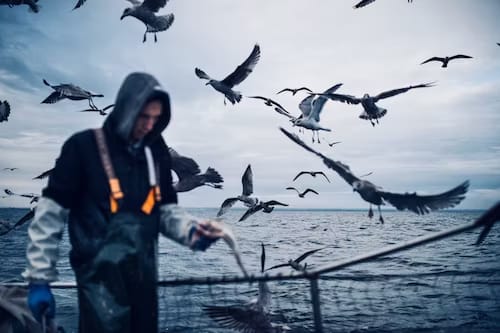
🏝 Vacation: Not Always a Break
For seafarers, “vacation” doesn’t always mean rest.
In reality, it’s a cycle of medical examinations, training refreshers, and waiting for the next contract.
- PEME (Pre-Employment Medical Examination) is mandatory before rejoining a vessel.
- Refresher Training: Courses like Basic Safety Training (BST) renewal or updating firefighting skills are often required under STCW.
- Job Hunting: Even experienced seafarers sometimes wait months for deployment, especially during slow hiring seasons.
🔄 The Loop: Sail, Go Home, Repeat
The seafarer’s life often feels like a loop: sail for months, return home briefly, then leave again.
- Family Dynamics: Missing birthdays, anniversaries, and milestones is common.
- Emotional Strain: Some children grow up seeing their father or mother only a few times a year.
- Financial Goal: Despite hardships, the motivation to provide for the family pushes seafarers to sign the next contract.
“Even when I’m home, my mind knows I’ll be leaving again soon. That’s the hardest part.” – A sentiment shared by many in the industry.

🌊 Hardships at Sea: The Realities You Can’t Ignore
Seafaring is not just a job- it’s a commitment to face challenges that many on land will never experience.
Common Hardships:
- Physical Demands: Heavy lifting, exposure to extreme weather, and long work hours increase fatigue risk.
- Isolation: Weeks or months with minimal shore leave can affect mental well-being.
- Safety Risks: Rough seas, machinery hazards, and emergencies require constant vigilance.
- Unpredictable Schedules: Delays in crew change can extend contracts beyond the agreed period.
The MLC 2006 ensures minimum rest hours, decent accommodation, and welfare standards.
But reality often depends on the ship’s management culture and the crew’s ability to support one another.
🧠 Coping Strategies for Seafarers
Surviving, and thriving, at sea requires more than technical skills. Mental resilience is key.
Coping Checklist:
- 💤 Prioritize Sleep: Follow rest-hour rules and blackout curtains if needed.
- 📖 Keep a Journal: Writing helps process emotions and track achievements.
- 📶 Stay Connected: Schedule calls or messages with loved ones whenever internet is available.
- 🏋️ Stay Active: Short workouts on deck or in the gym can reduce stress.
- 🤝 Build Friendships: Shipmates often become your strongest support network.
“The ocean teaches you patience, but your crew teaches you resilience.”

👨👩👧 For Families: Supporting Your Seafarer from Shore
A seafarer’s success heavily depends on the support system at home.
Families can help by:
- Maintaining Communication Routines: Agree on regular call schedules, even if short.
- Managing Finances Wisely: Budget remittances to cover essentials, savings, and emergencies.
- Sharing Updates: Keep the seafarer informed about school events, family health, and milestones.
- Preparing for Emergencies: Have copies of important documents and emergency contacts ready.
💰 Using Sea Time Wisely: Savings and Career Growth
Many seafarers sail for financial stability, but without a plan, years at sea can pass without real progress.
Financial & Career Tips:
- 📦 Prioritize Savings: Allocate a fixed portion of every allotment to a savings account or investment.
- 📚 Upgrade Skills: Take maritime courses during vacation to qualify for higher ranks.
- 🏠 Plan Long-Term Goals: Whether it’s a home, business, or early retirement, write it down and work toward it.
- 🌐 Diversify Income: Consider small investments or side businesses managed by trusted family members.
🗣 Messages from the Heart
To My Wife: “Your patience and strength keep me afloat. Every calm and stormy day, I carry your love with me.”
To My Children: “I may not be there for every birthday or school event, but every mile I sail is for your future.”
To Fellow Seafarers: “We share the same sunsets and storms. Let’s watch out for one another until we return home.”
❓ Frequently Asked Questions (FAQ)
Q: Is being a seafarer hard?
Yes. The work is physically demanding, mentally challenging, and requires long separations from family. But it can be rewarding for those prepared.
Q: How long are seafarer contracts?
Contracts usually last 6–9 months, but durations vary depending on vessel type, trade route, and employer policy.
Q: Do seafarers get internet onboard?
Some vessels provide limited or paid internet, but availability depends on the shipping company and satellite coverage.
Q: How can seafarers cope with homesickness?
Maintain regular communication, build friendships onboard, stay active, and focus on personal goals.
Q: What does MLC 2006 guarantee to seafarers?
It sets minimum standards for working and living conditions, including rest hours, food quality, and repatriation rights.
📢 Conclusion & Call to Action
Life at sea is a balance of sacrifice and reward. It demands endurance, adaptability, and the will to provide for loved ones despite the distance.
For those willing to embrace its challenges, seafaring offers not just a career but a calling.
May the winds be in your favor.
Leave a Reply