

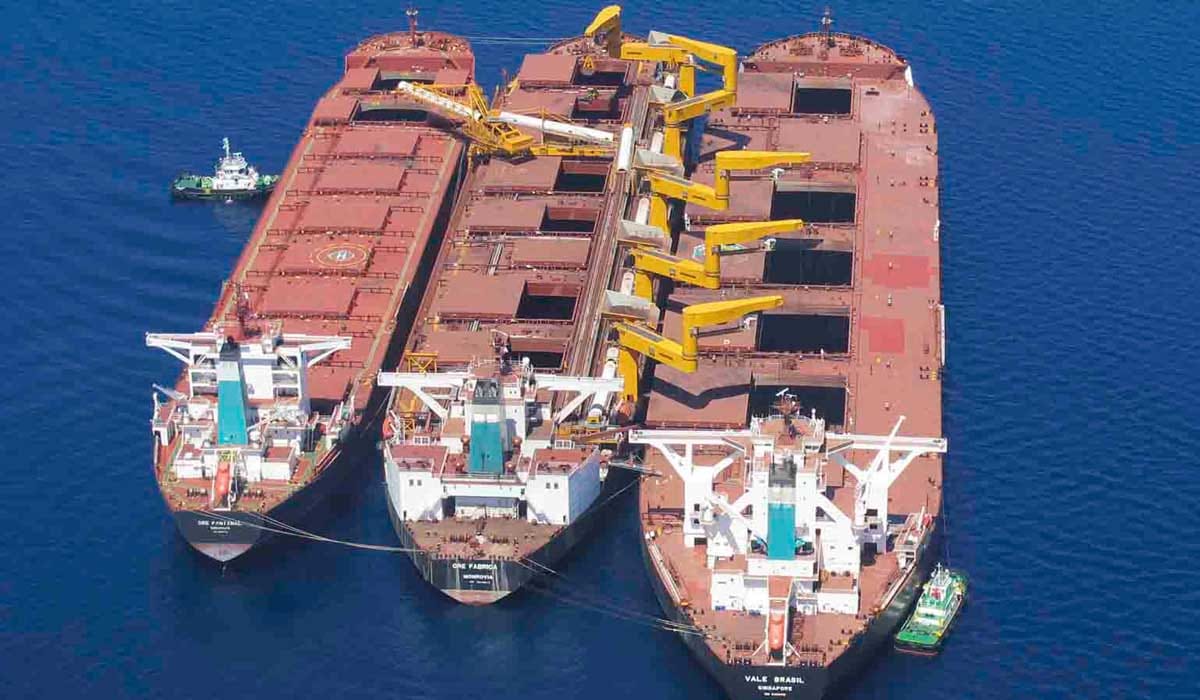
Bulk carriers are merchant ships specifically designed to transport unpackaged dry cargo- such as iron ore, coal, grains, and fertilizers in large quantities.
Rather than using containers, these vessels load directly into massive cargo holds.
According to SOLAS Chapter IX/1.6, a bulk carrier is defined as:
“A ship constructed with a single deck, top-side tanks, and hopper side tanks in cargo spaces, and intended primarily to carry dry cargo in bulk.”
Bulkers are the backbone of dry maritime trade and come in many types based on their design, size, and trading region.
🛠️ Types of Bulk Carriers by Design
Bulk carriers can be categorized by their structural design features.
This classification affects how they load/unload cargo, which ports they can enter, and what trade they’re suitable for.
Here are the most common types of bulkers based on design:
⚙️ 1. Geared Bulk Carriers
Geared bulkers are equipped with onboard cranes or derricks.
These allow them to load or discharge cargo independently- an advantage in ports with limited infrastructure.
- ✅ Ideal for underdeveloped or remote ports
- 🔄 Equipped with cargo grabs for scooping goods
- 📦 Common cargo: coal, grains, ore
- 🛳️ Mostly Handy-size or Mini-bulkers
⚓ Key Advantage: Flexibility. These ships can operate in more ports, making them highly favored in tramp trades.
🚫 2. Gearless Bulk Carriers
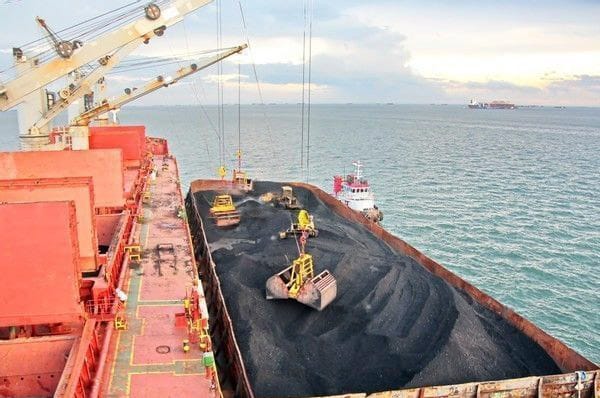
Gearless bulk carriers have no onboard cargo-handling gear and rely entirely on shore-based equipment.
- 🏗️ Faster loading/unloading using port facilities
- 🛳️ Common among large ships: Panamax, Capesize, Valemax
- 🌍 Serve major ports with advanced infrastructure
⚠️ Limitation: Restricted to terminals with sufficient equipment.
🔄 3. Conventional Bulk Carriers
Often synonymous with geared bulkers, conventional bulk carriers come with built-in cranes and hatches.
- 🛠️ 5–9 cargo holds with steel hatch covers
- ⛴️ Most versatile and charterer-friendly type
- 💼 Common in short-sea and mid-range trades
🧪 4. Combination Bulk Carriers (OBO)
OBO ships (Ore-Bulk-Oil) are hybrid vessels that can carry both dry bulk cargo and liquid cargo, such as crude oil.
- 🔀 Switch between tanker and bulker markets
- ⚓ Useful in seasonal trades or fluctuating demand
- 🛢️ Less common today due to operational complexity
🧭 Trivia: Few modern OBOs remain due to safety and maintenance challenges.
🔁 5. Self-Discharging Bulk Carriers (Self-Unloaders)
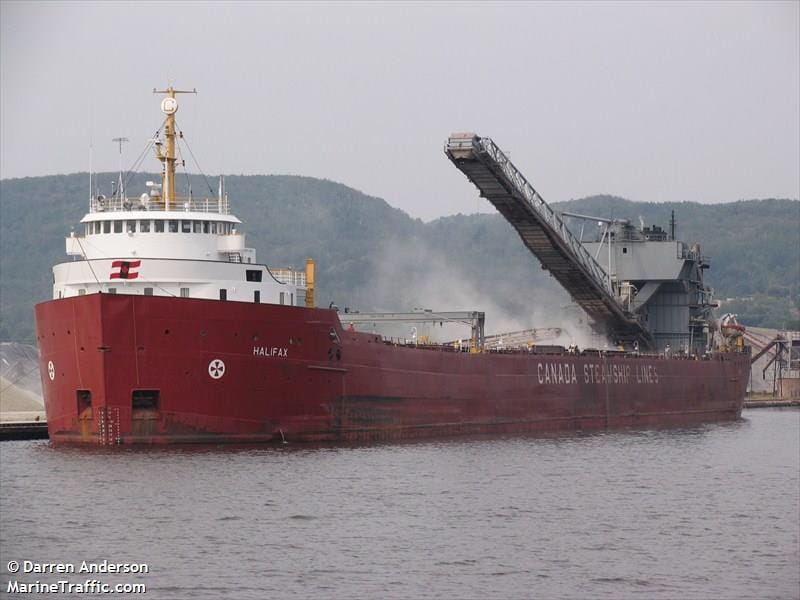
Self-unloaders are equipped with conveyor belt systems and extendable booms to discharge cargo without external help.
- ⚡ Reduces port time significantly
- 📉 Slightly reduced cargo capacity due to conveyor systems
- 🔁 Popular in short-sea trades and terminals with draft limits
✅ Efficiency Booster: Discharges directly onto shore or barge.
🏞️ 6. Bulker Lakers
These are specialized bulk carriers for the Great Lakes of North America, also called Lakers.
- 🚢 Operate in freshwater (Great Lakes & St. Lawrence Seaway)
- ⛴️ Carry coal, ore, grain, and salt between inland ports
- 🏠 Notable feature: Accommodation superstructure at the bow
🧭 Region-Specific: Typically not seen in oceanic trade.
🧳 7. BIBO Carriers (Bulk-In, Bags-Out)
BIBO vessels load cargo in bulk and bag them onboard before discharge using an automated packaging system.
- 📦 Useful for high-value or sensitive cargo
- ⚙️ Now rare due to complex and costly equipment
💡 Declining Usage: BIBO carriers have largely been phased out.
❓ FAQs – Bulk Carriers by Design
Q: What is the difference between geared and gearless bulk carriers?
A: Geared carriers have cranes onboard; gearless ones rely on port facilities.
Q: Are OBO ships still used today?
A: Very few remain in service due to safety and economic concerns.
Q: Why are self-unloaders popular in short-sea trades?
A: Because they reduce port time and can operate at ports without unloading facilities.
📐 Bulk Carrier Classifications by Deadweight Size (DWT)
Bulk carriers are also grouped by their deadweight tonnage (DWT)– the total weight they can carry, including cargo, fuel, crew, stores, and water.
Each size category corresponds to specific trade routes, port restrictions, and cargo demands.
Below are the most recognized size classifications of bulk carriers:
🛥️ 1. Mini Bulk Carrier (Coastal Bulker)
- DWT Range: 1,000 – 10,000 tons
- Trade: Coastal, riverine, and short-sea shipping
- Use: Delivers small consignments to minor ports with draft limitations
- Common Cargo: Fertilizers, cement, feedstock
🧭 Niche Performer: Ideal for restricted harbors and domestic trades.
✋ 2. Handysize Bulk Carrier
- DWT Range: 10,000 – 39,999 tons
- Draft: Less than 11.5 meters
- Strength: Can enter 80% of the world’s ports
- Cargo Holds: Usually 5
Subcategories:
- 🧱 Small Handy: 10,000–24,999 DWT
- 🧱 Mid-size Handy: 25,000–34,999 DWT
- 🧱 Large Handy: 35,000–39,999 DWT
📦 Workhorse of Bulk Shipping: Highly flexible and charterer-friendly.
💪 3. Handymax Bulk Carrier
- DWT Range: 40,000 – 59,999 tons
- Length: Up to 190 meters
- Cranes: 4 units, 30-ton SWL
- Cargo Holds: 5
🔄 Next-gen Handy: Slightly larger than Handysize, serving deeper ports.
📈 4. Supramax Bulk Carrier
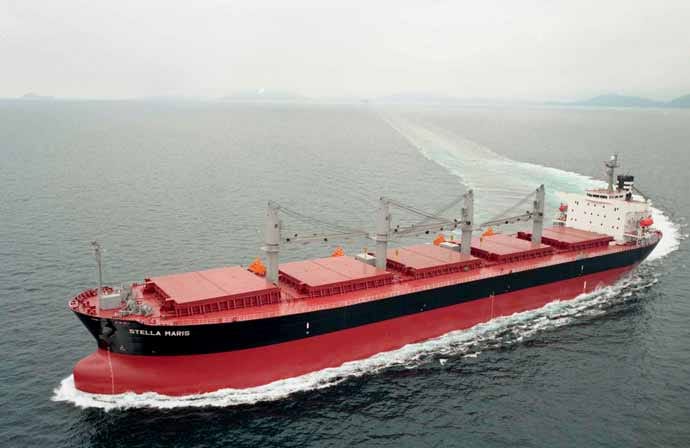
- DWT Range: 50,000 – 60,000 tons
- Cargo Holds: 5–8
- Cranes: Typically 4 x 40-ton SWL
- Length: ~189.99 meters
- Breadth: ~32.26 meters
- Draft: ~11.92 meters
🔄 Improved Handymax: More efficient, same port compatibility.
⚡ 5. Ultramax Bulk Carrier
- DWT Range: 60,000 – 65,000 tons
- Length: ~199.99 meters
- Breadth: ~32.25 meters
- Draft: ~12.95 meters
🛢️ Fuel-Efficient Choice: Larger cargo volume with minimal increase in draft.
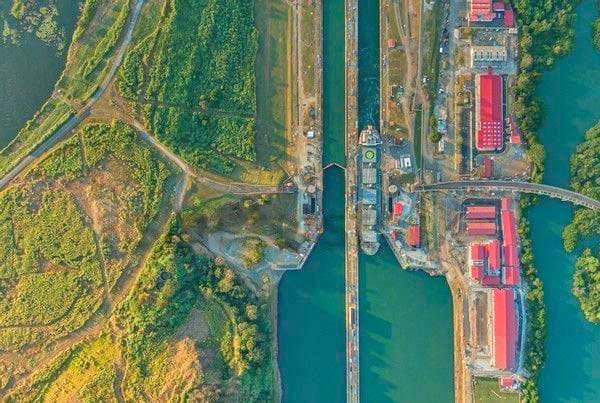
🌉 6. Panamax Bulk Carrier
- DWT Range: 60,000 – 99,999 tons
- Fits Panama Canal (Old Locks):
- Length: ≤ 300m
- Breadth: ≤ 33m
- Draft: ≤ 12.04m
- Speed: 12–14 knots
- Use: Global dry bulk trade
🚢 Canal-Optimized: Named for maximum size allowed in Panama Canal before expansion.
🆕 7. Neo-Panamax Bulk Carrier
- DWT: Up to 120,000 tons
- Max Dimensions:
- Length: 366m
- Width: 51.25m
- Draft: 15.2m
🔄 Post-2008 Expansion: Built for the wider, deeper locks of the new Panama Canal.
⛰️ 8. Capesize Bulk Carrier
- DWT Range: 100,000 – 199,999 tons
- Draft: >17 meters (fully loaded)
- Route: Must navigate around the Cape of Good Hope or Cape Horn
- Cargo: Iron ore, coal, bauxite
- Port Access: Very limited globally
⚓ Cape Detour: Too large for Panama or Suez canals.
⛏️ 9. Very Large Ore Carrier (VLOC)
- DWT Range: 200,000 – 299,999 tons
- Cargo: Exclusively iron ore
- Trade Routes: Brazil–China, Brazil–Europe
- Port Access: Only a few ports worldwide can accommodate them
🔄 Specialized Giants: Operate under long-term contracts from mining companies.
🚢 10. Ultra Large Ore Carrier (ULOC)
- DWT Range: 300,000 – 399,000 tons
- Length: ~310 meters
- Breadth: >60 meters
- Draft: ~25 meters
- Cargo Holds: ≥9
- Discharge Time: Up to 5 days
🧱 Behemoths of the Bulk World: Require massive, deepwater terminals.
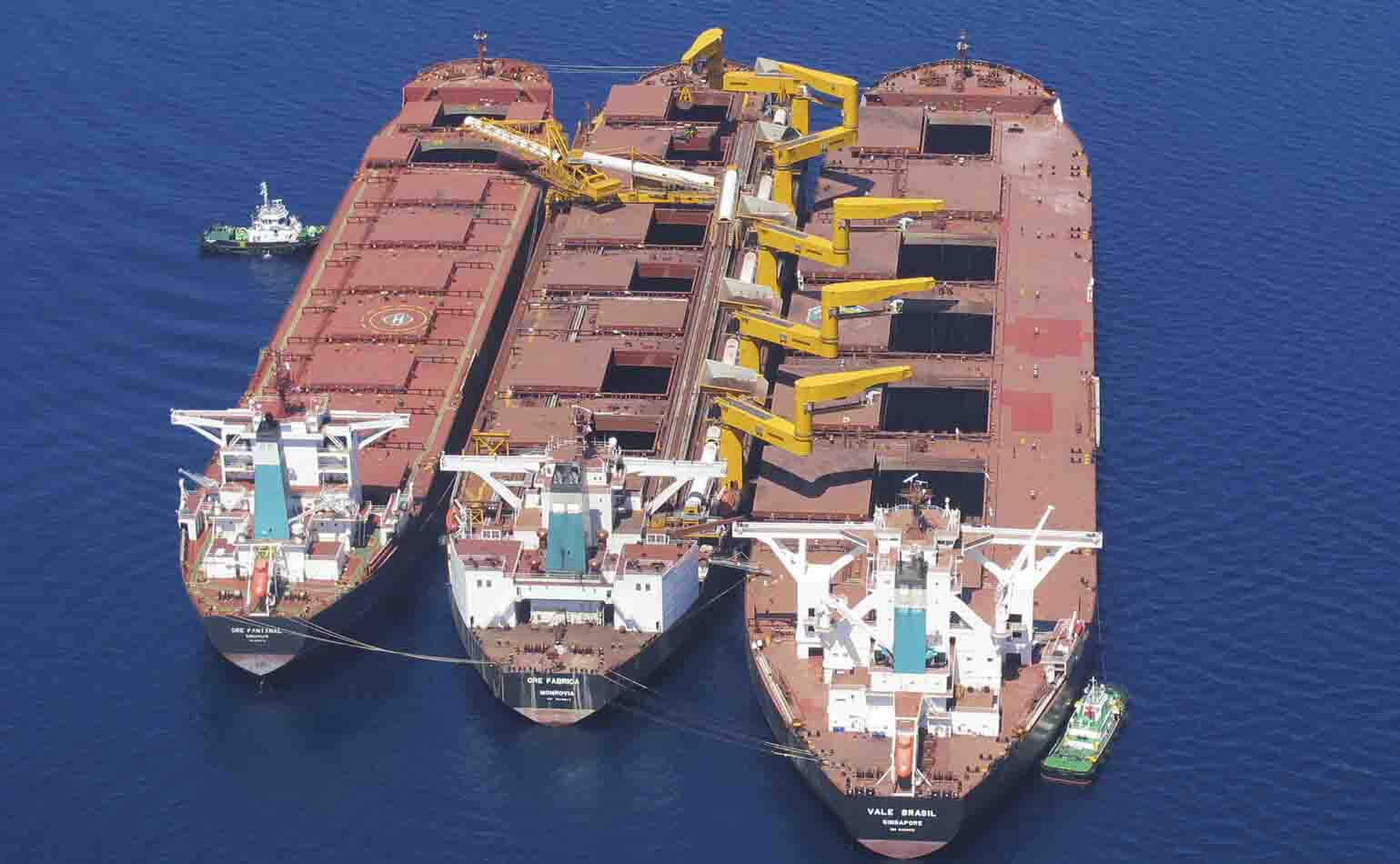
🐉 11. Valemax / Chinamax
- DWT: 380,000–400,000+
- Named After: Vale S.A. (Brazilian mining company) and China routes
- Use: Iron ore shipment from Brazil to China
- Number of Ships: ~67 built by Vale
📊 Quick Reference Table (Sizes by DWT & Length)
| Type | DWT Range (tons) | Typical Length (m) | Key Notes |
|---|---|---|---|
| Mini Bulker | 1,000 – 10,000 | < 100 | Coastal & short-sea trade |
| Handysize | 10,000 – 39,999 | ~150 | Port-friendly worldwide |
| Handymax | 40,000 – 59,999 | < 190 | Larger Handy with cranes |
| Supramax | 50,000 – 60,000 | ~190 | Self-loading efficiency |
| Ultramax | ~60,000 – 65,000 | ~199 | Max capacity for Handymax class |
| Panamax | 60,000 – 99,999 | ~230 – 295 | Fits old Panama Canal |
| Neo-Panamax | Up to 120,000 | Up to 366 | New canal class (Post-2008) |
| Capesize | 100,000 – 199,999 | 290 – 300+ | Must detour via Cape routes |
| VLOC | 200,000 – 299,999 | ~300+ | Brazil-Asia ore trade |
| ULOC | 300,000 – 399,000 | ~310+ | Require mega ports |
| Valemax | 380,000 – 400,000+ | ~360 | Largest in use (Brazil–China) |
🇧🇷 Region-Specific Class: The largest dry bulk carriers in active use today.
❓ FAQs – Bulk Carrier Sizes
Q: What is DWT in bulk carriers?
A: DWT stands for Deadweight Tonnage. It includes cargo, fuel, crew, water, and stores- everything a ship can carry.
Q: Why can’t Capesize ships transit the Panama Canal?
A: They exceed the canal’s maximum draft and size limits, requiring them to sail around the Cape of Good Hope or Cape Horn.
Q: What’s the biggest bulk carrier in the world?
A: The Valemax class, built for transporting iron ore from Brazil to China, is currently the largest dry bulk carrier type in operation.
🌍 Types of Bulk Carriers by Regional Trade Designation
While size and design determine a bulk carrier’s capabilities, some vessels are classified by the specific ports or regions they’re designed to serve.
These ships are often built to fit within the maximum dimensions allowed by locks, canals, or terminal infrastructure- making them highly specialized.
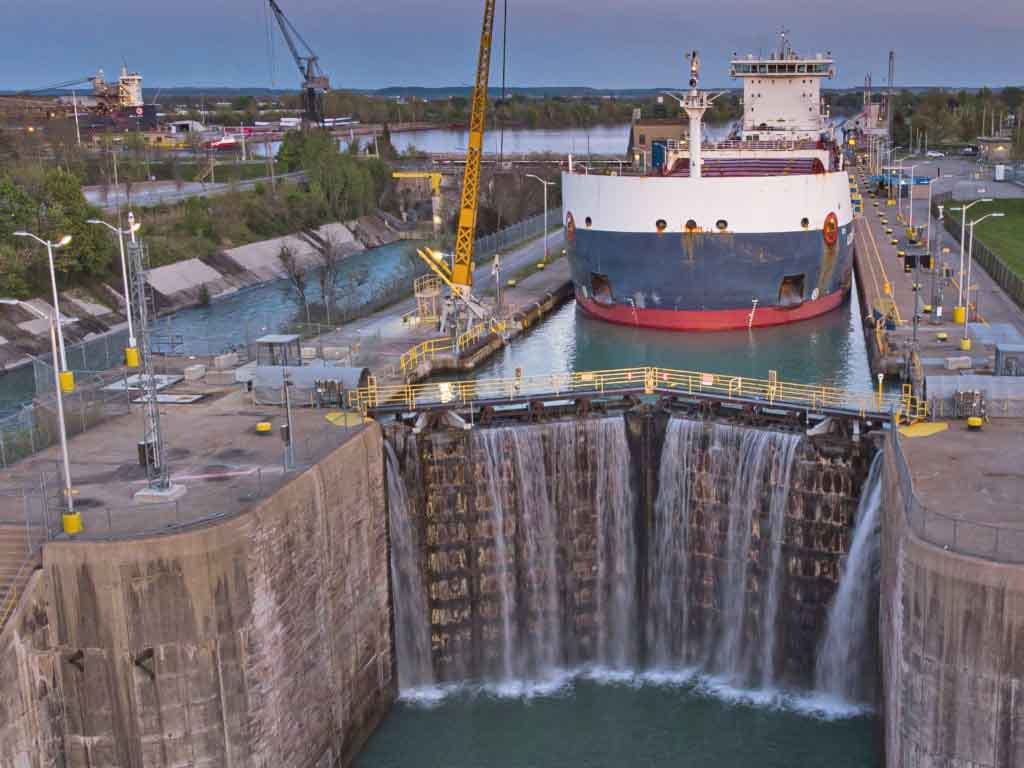
⚓ 1. Seawaymax
- Purpose: Fits the locks of the St. Lawrence Seaway in North America
- Max Dimensions:
- Length: 225.5–230 meters
- Beam: 23.8 meters
- Draft: 7.92 meters
- DWT: ~28,500 tons
- Trade Area: Great Lakes – St. Lawrence Seaway system
🚢 Regional Champion: Vital to North American inland waterway logistics.
🇬🇳 2. Kamsarmax
- Named After: Port of Kamsar, Guinea
- Max Dimensions:
- Length: 229 – 235 meters
- Beam: ~32.26 meters
- Draft: ~14.5 – 15 meters
- DWT: Up to 82,000 tons
- Cargo: Primarily bauxite
🧱 Bigger Panamax: Developed to maximize port and canal restrictions while carrying more cargo.
🇫🇷 3. Dunkirkmax
- Named After: Port of Dunkirk, France
- DWT: ~175,000 tons
- Max Dimensions:
- Length: ~289 meters
- Beam: ~45 meters
- Draft: 14.2 meters
- Category: Falls within Capesize class
🛳️ Europe-Focused: Designed for the maximum dimensions of Dunkirk locks.
🇯🇵 4. Setouchmax
- Named After: Seto Inland Sea (Setouchi), Japan
- Typical DWT: ~205,000 tons
- Max Dimensions:
- Length: ~299 meters
- Beam: ~50 meters
- Draft: ~16.1 meters
- Cargo: Iron ore and coal
- Category: Capesize or VLOC
🗾 Japan-Fit Giant: Built for Japanese terminals with deep berths.
🇦🇺 5. Newcastlemax
- Named After: Port of Newcastle, Australia
- Max DWT: ~209,000 tons
- Max Dimensions:
- Length: ~300 meters
- Beam: ~50 meters
- Draft: 16.2 meters
- Cargo: Coal, ore
- Category: Capesize derivative
🏴☠️ Aussie Export Heavyweight: Standard for Australian coal terminals.
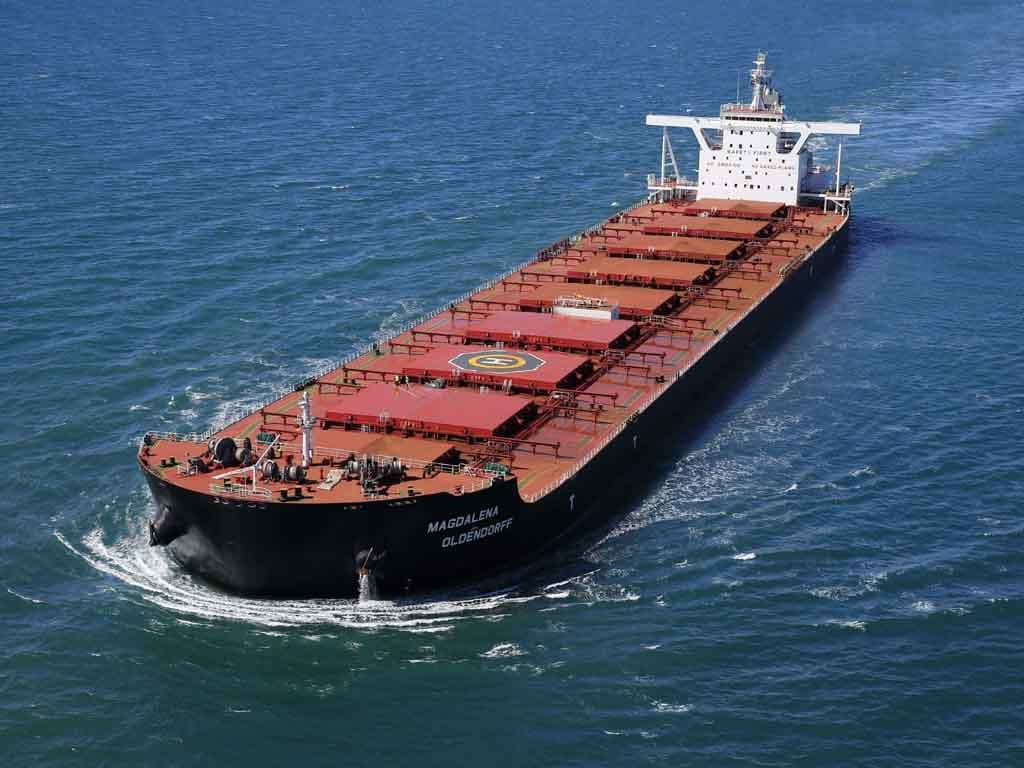
🌏 6. Malaccamax
- Named After: Strait of Malacca
- DWT: Up to ~300,000 tons
- Max Draft: ~20.5 – 21 meters
- Length: ~330 meters
- Beam: ~60 meters
- Category: Falls under ULOC class
- Route: Gulf – China via Malacca
🌊 Chokepoint Navigator: Built for the tightest deep-sea chokepoint.
🔄 Classification Note:
Unlike oil tankers (Aframax, Suezmax, VLCC) which are defined purely by deadweight capacity, these bulk carrier classes combine regional port limits + dimensional constraints, making them unique to specific trade corridors.
❓ FAQs – Bulk Carrier Regional Classes
Q: What is a Seawaymax ship?
A: A Seawaymax vessel is the largest ship that can transit the St. Lawrence Seaway locks. It typically carries up to 28,500 DWT.
Q: What makes a bulk carrier “Kamsarmax”?
A: It’s a Panamax-size bulk carrier with max dimensions to fit Port of Kamsar in Guinea, optimized for bauxite loading.
Q: How is Malaccamax different from Valemax?
A: Malaccamax ships are limited by Malacca Strait’s depth (~25m), while Valemax ships can exceed that, requiring alternate routes or terminals.
📣 Final Call to Action
💡 Now that you know the full breakdown of bulk carrier types by design, size, and region… what’s next?
👉 Explore our maritime resources at CaptainsMode.com!
May the winds be in your favor.
Leave a Reply