


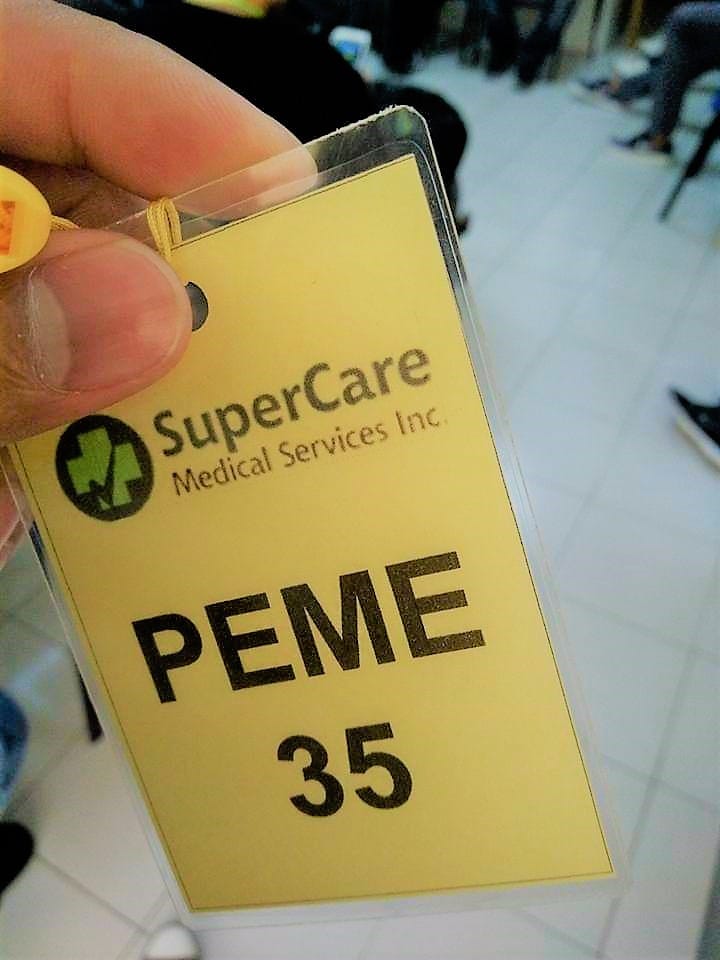
Pre-Employment Medical Examinations (PEME) are a mandatory part of every seafarer’s career.
They are designed to assess if you’re physically and mentally fit to work onboard ships- especially under the demanding conditions of maritime life.
But failing a PEME can be a major setback, whether you’re a cadet on your first contract or a senior officer with years of experience.
Whether it’s a minor issue or a serious health concern, failing your PEME can delay or cancel your contract.
Fortunately, there are clear, ethical, and professional steps you can take to address the situation and bounce back stronger.
🚨 Understand Why You Failed
Failing a PEME doesn’t always mean you’re unfit to work forever. It could be:
- A temporary condition (e.g. high blood pressure, infection, fatigue).
- A chronic illness that needs medication but is manageable.
- A serious finding that requires further tests or even treatment.
In most cases, it’s not about fraud or medical scams– it’s about medical facts.
Your first step is to understand what the findings mean and whether they can be resolved.
🧠 Step-by-Step Guide: What to Do After Failing Your PEME
✅ 1. Prevention Is Still the Best Strategy
Even if you failed your PEME, it’s important to reflect on prevention moving forward.
Passing your medical exam won’t be a problem if you practice a healthy lifestyle. This saves you a great amount of time, money, effort, and worry.
Health tips before your next PEME:
- Avoid alcohol, smoking, and fatty foods at least 1–2 weeks prior.
- Stay well-hydrated and get enough sleep.
- Reduce stress and avoid overexertion before your medical.
- Monitor your blood pressure and sugar levels ahead of time.
🩺 A healthy lifestyle not only improves your chances of passing next time- it keeps you safe onboard.
🧘 2. Don’t Panic. Get the Full Picture!
Failing your PEME can feel like a career setback, but many findings are temporary or reversible.
Here’s what to do:
- Request a full explanation from the examining physician.
- Ask what the findings were and what caused them.
- Take notes or bring someone to help you understand.
- Don’t rush into decisions like surgery or medication without clarity.
📌 This is your health and livelihood. Get the full picture before taking action.

🩺 3. Ask for a Clear, Written Diagnosis
Medical jargon can be intimidating. You have every right to ask the doctor to explain:
- What the exact diagnosis is.
- Whether it’s treatable or permanent.
- If it requires immediate attention or long-term care.
- How it affects your “fit to work” status.
🎯 Pro Tip: Always request a printed copy of your results. This is vital if you decide to seek a second opinion.
🔬 4. Do Independent Research
Not all failed PEME findings mean you’re truly unfit. Sometimes, there’s miscommunication or lack of explanation.
Use reliable medical sources or consult online databases to check:
- Symptoms and severity of the condition.
- Standard treatments and whether surgery is necessary.
- Possible natural recovery or management techniques.
💡 Empowering yourself with knowledge can reduce stress and help you make smarter decisions.
📞 5. Talk to Fellow Seafarers or Medical Contacts
You’re not alone. Others have failed PEMEs and recovered.
Tap into your network.
Has anyone had a similar experience at this clinic? What was their diagnosis and outcome?
Do they know reputable doctors or clinics for a second opinion?
Talking to experienced seafarers, nurses, or doctors- especially those familiar with maritime health protocols, can give you much-needed clarity and guidance.
Reach out to:
- Shipmates who experienced similar issues.
- Medical professionals you trust (nurses, doctors, etc.).
- Crew groups or communities who can recommend good clinics or doctors.
🔄 Sharing experiences often leads to solutions or workarounds you didn’t consider.

🥈 6. Get a Second Opinion
If a clinic recommends surgery or expensive medication, don’t rush.
Seafarers have the right to verify their diagnosis, especially if:
- The explanation feels vague.
- The cost is unusually high.
- You sense the treatment may be unnecessary.
🔁 What to Do:
- Visit another DOH-accredited or reputable private doctor– ideally, not affiliated with the original clinic.
- Bring your PEME results and request a fresh interpretation.
- Get written records of the second diagnosis.
✅ If the second opinion aligns with the first, proceed with the treatment plan.
❌ If it contradicts the original finding, request a reconciliation- ideally in a joint consultation if possible.
📌 You can even go for a third opinion if both results conflict. This ensures your diagnosis isn’t part of a shady agenda.
💊 7. Understand Maintenance Medication Requirements
Sometimes, doctors prescribe medicine that must be taken onboard for the entire contract duration.
Common Cases:
- Hypertension
- High cholesterol
- Diabetes
- Acid reflux
- Thyroid conditions
This is normal as long as:
- The condition is minor or controlled.
- The cost is reasonable.
- It doesn’t affect your fitness to work.
However, be cautious if:
- You’re forced to buy from a specific clinic-affiliated pharmacy.
- The amount of meds seems excessive or unproven.
- The meds are crazily overpriced
💡 Ask for generic alternatives or bring your prescription to an outside pharmacy if you suspect price manipulation.
🚫 8. Never Resort to Under-the-Table Transactions
Some seafarers, out of desperation or convenience, resort to bribery to pass the PEME.
Examples:
- Paying clinic staff to “clean up” minor findings.
- Offering money to skip required dental work or ECG.
- Using fixers to “pre-arrange” your medical pass.
🙅♂️ Don’t fall into this trap.
While it may seem like a shortcut, here’s what happens:
- You risk your health onboard with untreated conditions.
- You enable clinic corruption.
- You hurt the reputation of legitimate medical providers and honest seafarers.
- The cycle of exploitation continues- affecting future seafarers and even your crewmates.
💥 One incident of onboard collapse due to a falsified PEME can push companies to implement stricter medical rules for all crew raising costs and delays for everyone.

🏢 9. Involve Your Manning Agency Early
Never hide your medical results from your agency. They’re part of the solution, not the enemy.
Why You Should Tell Them:
- Agencies may cover costs of required procedures, especially if the crew is urgent for deployment.
- If multiple seafarers from the same clinic experience similar issues, agencies may blacklist that facility.
- They often know the standard medical protocols and can tell if something seems off.
- They might fast-track rechecks or refer you to another DOH-accredited clinic for validation.
💡 Pro Tip: Keep a timeline of your PEME process– when you went, what findings were stated, what meds were suggested. This helps your agency support you better.
🚫 Real Talk: The Cycle of Silent Compliance
Some seafarers justify bribery or forced procedures by saying:
“The clinic gave me the illness. They just want to milk my wallet. I’ll just pay to pass.”
But this logic has long-term consequences:
- Honest crew get penalized.
- Agencies distrust clinics and delay deployment.
- Industry-wide medical regulations become harsher.
Let’s break that cycle. 🛑
⚓ 10. Learn From Your Mistakes- And Others’
A failed PEME isn’t the end of your career. In fact, it can be the wake-up call you need.
Reflect on these questions:
- Were you eating unhealthy before your medical?
- Did you smoke or drink days before the test?
- Have you ignored early signs of illness?
📌 Lessons to Remember:
- Your body is your capital. Abusing it affects your ability to work.
- Seafarers who face repeat medical issues often ignored early warnings.
- Stop blaming the clinic if lifestyle habits contributed to the result.
💡 Learn from your peers. Talk to those who’ve been through expensive and stressful PEME situations and avoid making the same mistakes.
🧾 Why an Honest PEME Result Matters
Some seafarers think that paying to pass a PEME is harmless. But here’s what you risk:
💥 Onboard Consequences:
Imagine collapsing at sea from an untreated heart condition- 5 days away from land, during your first week onboard.
That’s not just dangerous, it’s potentially fatal.
🏢 Company & Industry Impact:
- The shipping company could face legal action or insurance rejection.
- The industry might tighten PEME protocols- raising costs for everyone.
- Your agency could blacklist you from future contracts.
💬 A single fake medical certificate can affect:
- Your crewmates
- Your employer
- The entire seafaring community
🌬️ Final Words: Sail Healthy
The goal of PEME isn’t to stop you from working- it’s to make sure you can work safely and sustainably.
- 🧭 Don’t cut corners.
- 💡 Understand your condition.
- 🛠️ Work with your agency.
- ⚓ Prepare better next time.
🧭 Choose the harder right over the easier wrong.
📚 Frequently Asked Questions (FAQ)
❓ Can I refuse the clinic’s recommendation and still get deployed?
Not immediately. You’ll need to secure a valid second opinion and discuss it with your agency. Deployment is only possible if you are officially declared “fit to work.”
❓ Are maintenance medications mandatory if I’m declared fit?
Yes, in many cases. If your condition is controlled and you’re cleared for work, you may need to bring medications onboard as a requirement.
❓ What if the findings seem sketchy?
If the findings or result of your PEME seems off, and many seafarers are experiencing the same diagnosis, inform your manning agency and report the incident to MARINA, DOH, or DMW.
❓ Is it legal to get a second opinion?
Absolutely! As a seafarer, you have the right to consult another doctor to confirm your diagnosis before making major decisions.
📢 Call to Action
Seafarers, your health is your wealth. Don’t let fear, pressure, or shortcuts derail your journey.
- 🛟 If you suspect malpractice, talk to your agency.
- 📄 Always request documentation.
- 👨⚕️ Get a second opinion when in doubt.
May the winds be in your favor.
Leave a Reply