



Shore leave may sound like a welcome break for seafarers, but in reality, many crew members choose to remain onboard when their vessel docks.
Whether due to family commitments, financial priorities, or operational restrictions, skipping shore leave is more common than most people think.
Here are the top reasons, drawn from real-life seafaring experiences.
📱 1. Prioritizing Family Communication
Modern technology has made it possible for seafarers to stay connected at sea, but nothing beats the opportunity for a real-time video call while in port.
After long weeks at sea, many crew members would rather spend free hours chatting with loved ones than walking around a foreign city.
Some even jokingly refer to it as
“Sisilip kay Misis”
– eagerly checking in with their spouse.

🚫 2. Avoiding Temptations While Ashore
Some ports are home to nightlife spots, pubs, and entertainment areas that can challenge a seafarer’s discipline.
To stay faithful and focused, many opt to avoid high-risk shore leave locations entirely.
As the saying goes, the best way to resist temptation is to avoid it altogether.
That is a principle followed by crew members committed to their partners, supported by shipboard codes of conduct and maritime ethics policies.
💰 3. Saving for Family Needs
While seafarers earn competitive salaries compared to land-based jobs, most prioritize remittances and household expenses over personal leisure.
Income is often allocated for children’s tuition fees, home mortgage payments, medical bills, and other family obligations via MPO.
By making the most of their hard-earned money, crew members practice financial planning to ensure their contracts benefit their families, even if it means skipping a meal ashore or an afternoon of shopping.
💶 4. High Cost of Going Ashore
In some ports, simply reaching the nearest city center can cost over €20 each way by taxi.
Without free transport provided by the ship’s port agent or local seafarers’ welfare center, the expenses can outweigh the benefits of going ashore.
Experienced crew members sometimes plan low-budget shore leave itineraries.
For example- visiting London with less than €50- but many prefer to save the money for essential needs.
😴 5. Fatigue and Limited Rest Hours
After long pilotage maneuvers and hours of cargo operations, crews are often too exhausted to consider going ashore.
Duties such as bunkering, loading stores, provisions delivery, vessel inspections, and coordinating with service technicians can pile up on the same day.
While the Maritime Labour Convention (MLC) mandates minimum rest hours, operational demands often leave little energy for exploring port cities, making rest onboard the most appealing choice.

💳 6. No Cash Advance Available
Many shipping companies, through captains, control crew cash advances, sometimes limiting withdrawals to a fixed amount once or twice a month.
If the ship visits several interesting ports in a short period, seafarers may already have exhausted their shore leave budget, especially if they sent money to their families via off-signers.
In such cases, they wait for the next scheduled cash advance instead of spending what little remains.
🚧 7. Strict Port and Terminal Security
Not all ports welcome seafarers with open access. In countries like the United States, crew members cannot step ashore without a valid U.S. visa.
Under the International Ship and Port Facility Security (ISPS) Code, certain ports implement heightened security levels– sometimes Level 2 or 3, which require more onboard security watches and limit crew movements ashore.
These measures, while important for maritime safety, can completely restrict shore leave.
⏳ 8. Very Short Port Stay
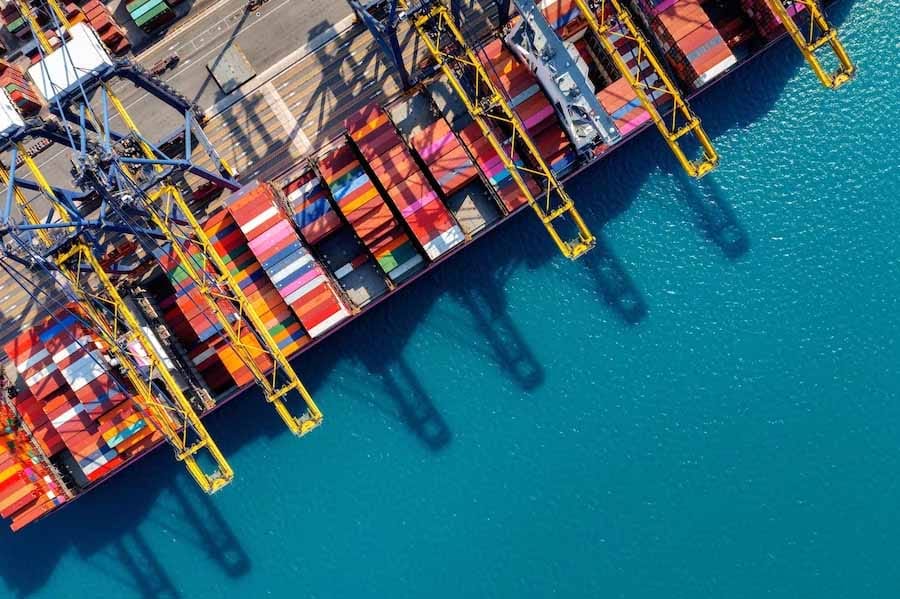
Some cargo operations are completed so quickly that there’s no time to go ashore.
For example, container terminals with high-speed gantry cranes can load or discharge in just a few hours.
Charterers and ship operators prioritize schedule efficiency, so vessels may depart almost immediately after cargo completion.
With such a narrow window, most crew prefer to remain onboard to rest or prepare for the next voyage leg.
🏝️ 9. Ports Far from the City
Tanker vessels- especially VLCCs and ULCCs, often berth at offshore terminals far from city centers.
The nearest town may be 10–20 kilometers away, requiring long walks to reach a taxi or bus station.
Some operations, like ship-to-ship transfers or loading at single-point moorings (SPMs), take place entirely at sea.
The only way ashore might be via helicopter transfer or a service launch, both of which can be expensive, time-consuming, and physically tiring.
⚠️ 10. Unfamiliar or Unsafe Ports
When arriving at a port for the first time, many seafarers prioritize personal safety.
If they are unfamiliar with the area, cannot communicate with locals due to language barriers, or have heard of unsafe conditions from other crews, they may avoid shore leave altogether.
Past negative experiences- such as theft, scams, or harassment, can also discourage future visits, reinforcing the choice to stay onboard.
Conclusion – Balancing Shore Leave and Onboard Life
These reasons show that skipping shore leave is often less about disinterest and more about crew welfare, operational demands, and maritime security regulations.
While it’s important for seafarers to relax and enjoy port visits when possible, their choices are shaped by family priorities, financial responsibilities, and safety concerns.
I’ve learned to balance both- making time for my family through reliable communications and seizing shore leave opportunities when conditions allow.
FAQs – Why Seafarers Skip Shore Leave
Q1: Is shore leave a legal right for seafarers?
Yes. Under the Maritime Labour Convention (MLC), seafarers are entitled to shore leave, subject to port security and local regulations.
Q2: Can seafarers go ashore without a visa?
It depends on the country. Some nations require valid visas even for short shore visits, especially the United States under its immigration laws.
Q3: How does the ISPS Code affect shore leave?
At higher security levels, ports and vessels increase restrictions on crew movements, prohibiting shore leave entirely.
Q4: Are there ports where shore leave is always possible?
Yes, some countries have seafarer-friendly ports with easy access, free transport services, and minimal restrictions- though these are becoming less common.
May the winds be in your favor.
Leave a Reply