


The Ship Master, also known as the Captain or Master Mariner, is the highest authority onboard a vessel.
He has total command over the ship, its cargo, and its crew.
From navigation and safety to legal compliance and crew discipline, everything falls under his watch.
In maritime law and company operations, the Master is considered the owner’s representative.
His primary role is to ensure the safe, efficient, and lawful operation of the ship in line with the Safety Management System (SMS), the International Safety Management Code, and flag state regulations.
📌 Who Is the Ship Master?
The Ship Master is:
- The top-ranking shipboard officer
- Directly accountable to the shipowner or company managers
- The final authority on safety, navigation, and crew matters
- The link between ship and shore, especially during emergencies or inspections
The Master’s actions must always prioritize safety, even if it conflicts with commercial pressures.
He has overriding authority to act independently if necessary for the safety of life at sea or to prevent pollution.
💡 Why is this important? Because no one ashore knows the real-time conditions onboard better than the Master himself.
🧭 Key Duties of a Ship Master
Think commanding a ship means just standing on the bridge? Far from it.
Being a Master means big authority, bigger responsibilities, and even bigger accountability.
The job may come with a salary ranging from $8,500 to $16,000/month, but it also demands round-the-clock decision-making and leadership.
Let’s break down his responsibilities into major categories:
🔐 1. Safety & Security Oversight
The Master is the chief enforcer of the ship’s Safety Management System (SMS).
He ensures all policies and procedures are strictly followed and verified through checklists, documentation, and audits.
He is also designated as the Ship Security Officer (SSO) under the ISPS Code, unless another officer is assigned.
📞 2. Communication with the Company & DPA
The Master must:
- Maintain clear, timely communication with the Designated Person Ashore (DPA)
- Use email, calls, or satellite communication to report safety, security, or pollution-related issues
- Follow DPA advice while still maintaining autonomy in urgent shipboard matters
🧠 Best Practice: Masters are expected to report non-conformities, near misses, and emergencies immediately followed by corrective actions in line with company procedures.
👥 3. Leadership & Crew Management
The Captain leads the entire crew. His duties include:
- Briefing officers and ratings on company policies and safe working practices
- Conducting crew familiarization and emergency preparedness
- Overseeing crew performance, promotions, and resolving conflicts onboard
- Maintaining discipline and a harmonious work environment
⚓ Authority Highlight: The Master can promote deserving seafarers onboard and evaluate officers including the Chief Engineer for performance.

📚 4. Watchkeeping, Drills & Documentation
The Master ensures all events, drills, and critical actions are properly recorded and aligned with international regulations and company policies.
✅ Key Documentation Duties:
- Issuing Night Orders for the Officer of the Watch (OOW) and verifying proper acknowledgment
- Maintaining the Deck Logbook to document voyage activities, incidents, and unusual events
- Ensuring accurate entries in various logbooks: Fire, Garbage, Oil Record Book, and GMDSS logs
- Conducting onboard drills in fire-fighting, abandon ship, flooding, pollution response, and more
- Overseeing training schedules for emergency preparedness and SOLAS compliance
📌 Note: All drills and inspections must be logged as per flag and port state control requirements.
⚓ 5. Navigational Responsibilities
The Master is the final authority on ship navigation.
While he delegates daily route monitoring to officers, he retains full responsibility for the vessel’s safe voyage.
🧭 Navigation Duties Include:
- Reviewing and approving the passage plan before every voyage
- Monitoring weather forecasts and adjusting the route accordingly
- Verifying that the vessel is seaworthy before sailing, including stability and load line compliance
- Ensuring navigational equipment and charts are up to date and operational
- Supervising pre-arrival and pre-departure checks of propulsion, ballast, and safety systems
🧠 The Master must be proficient in marine meteorology, COLREGS, and emergency navigation protocols.

🔧 6. Shipboard Operations & Maintenance
Beyond navigation, the Ship Master oversees the technical integrity and condition of the vessel.
⚙️ Operational Oversight Includes:
- Inspecting the hull, decks, cargo gear, and safety equipment regularly
- Ensuring ballast operations are safe and environmentally compliant
- Overseeing cargo operations, especially loading/unloading plans, stress/stability calculations, and securing of cargo
- Monitoring bunker consumption and supply throughout the voyage
- Ensuring the ship is adequately stocked with provisions, spares, and emergency supplies
🔍 The Master works closely with the Chief Officer and Chief Engineer but remains accountable for all operational outcomes.
🌐 7. Compliance, Reporting & External Relations
As the ship’s highest-ranking officer, the Master serves as the key liaison between the vessel and all external stakeholders- owners, charterers, port authorities, surveyors, and flag state representatives.
📝 Key External Duties:
- Reporting to the company on SMS implementation, suggesting improvements when necessary
- Ensuring all certificates and documents (e.g., safety, load line, ISM, ISPS, MARPOL) are valid and up to date
- Coordinating with port authorities, customs, immigration, and coast guard during port calls
- Maintaining a professional relationship with charterers, class surveyors, and inspectors
📌 Failure to comply with international or local regulations can result in detentions, fines, or legal actions placing the Master in direct scrutiny.
⚠️ 8. Accountability & Legal Risks
The authority of the Master comes with personal risk.
If the vessel is involved in a major incident- collision, pollution, grounding, or piracy, the Master is often the first to be investigated, even when not directly at fault.
⚠️ Risks Include:
- Legal liability for accidents and non-compliance
- Criminal prosecution under strict port state control or flag state laws
- Personal threats, especially in piracy-prone regions
- Mental burden of 24/7 responsibility over lives, environment, and property
Despite delegation to other officers (e.g., Chief Mate for cargo, 2/O for voyage plan), the Master retains full accountability at all times.
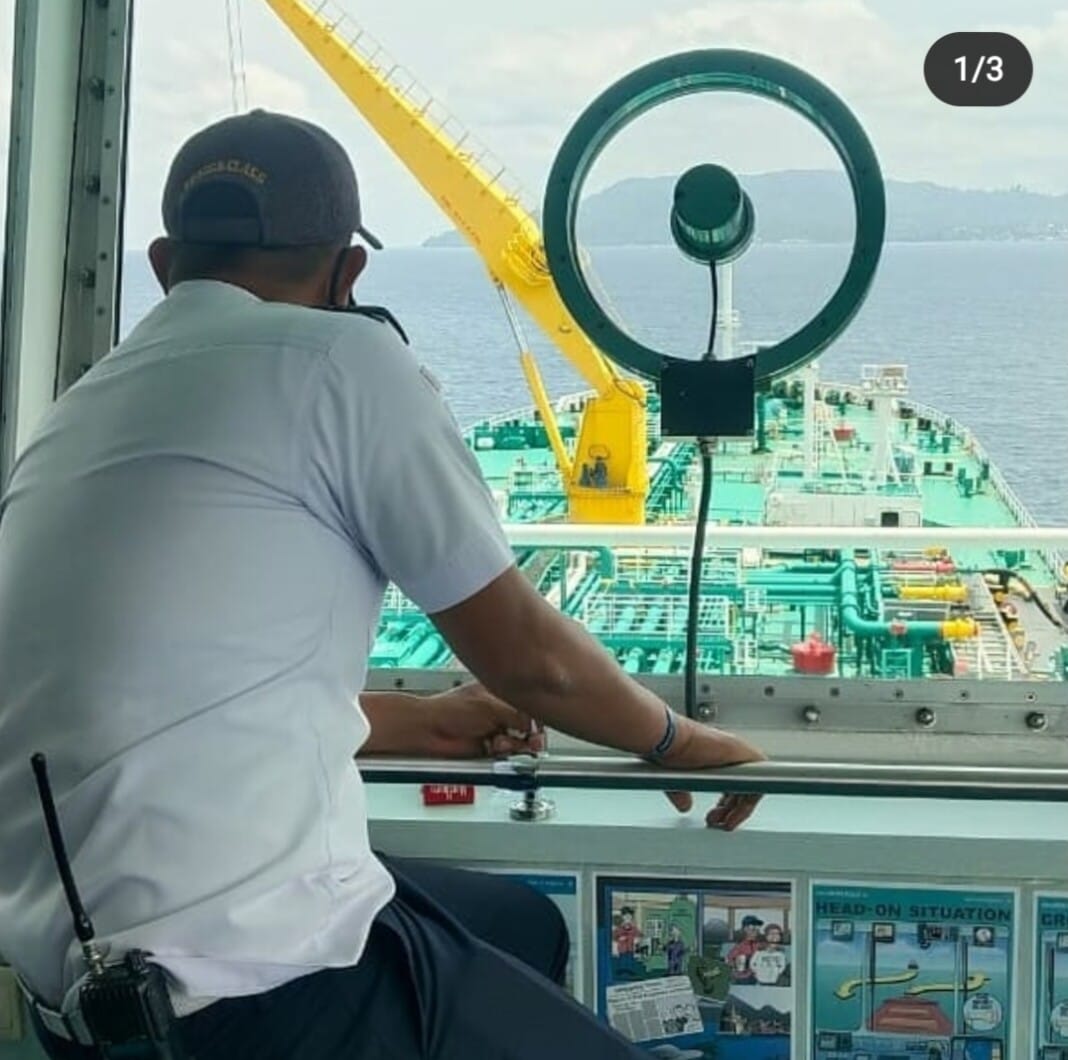
💰 Master Mariner Salary: Is It Worth It?
The salary of a Ship Master typically ranges from USD 8,500 to 16,000/month, depending on:
- Vessel type (e.g., VLCC, LNG, container ships)
- Company or CBA agreement
- Trading area and voyage risks
While the pay is high, it mirrors the stress, decision-making pressure, and legal exposure the role demands.
🎯 Only those with years of sea experience, proven leadership, and a clean record rise to this level.
⚓ Final Thoughts: Do You Still Want to Become a Ship Master?
Being a Ship Master isn’t just about big salaries or sitting in the captain’s chair. It’s about owning the outcome– good or bad.
From managing safety and compliance to leading your crew in high-risk situations, the role requires technical mastery, emotional intelligence, and unwavering integrity.
If you’re up for the challenge, it’s one of the most respected positions in the maritime industry.
🚀 Looking to fast-track your maritime career?
Consider enrolling in a maritime scholarship or structured cadetship program. Check our resources below to start your journey toward the bridge!
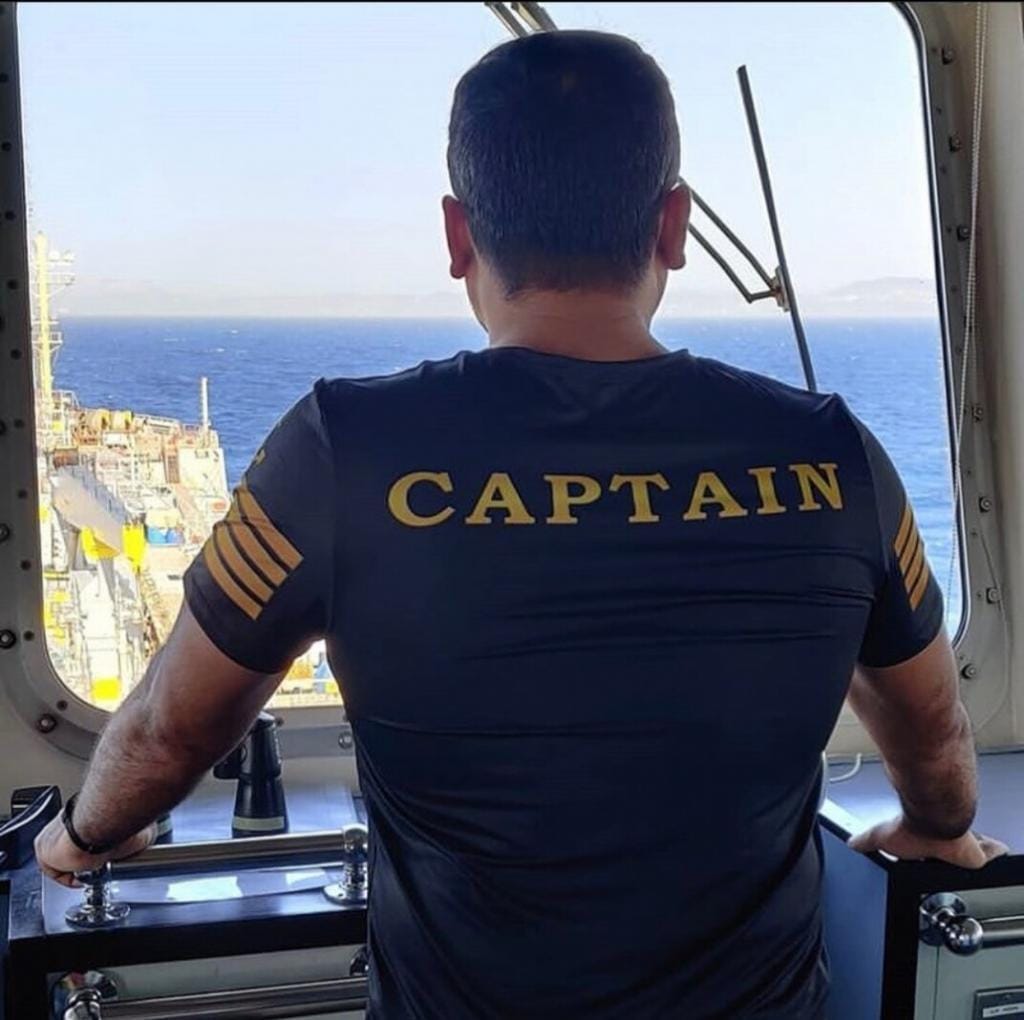
❓ Frequently Asked Questions (FAQ)
1. What’s the difference between a Ship Master and a Captain?
They are the same.
“Master” is the formal term used in maritime law and documents, while “Captain” is commonly used onboard and in general conversation.
2. Can a Master delegate responsibilities?
Yes, but delegation does not remove accountability. The Master oversees all operations, even when tasks are assigned to other officers.
3. Do all ships require a Master onboard?
Yes. Under SOLAS and STCW regulations, all seagoing vessels must have a certified Master onboard.
4. What qualifications are needed to become a Master?
You must hold a Certificate of Competency (CoC) for Master, comply with STCW requirements, and have significant sea service as an officer.
May the winds be in your favor.
Leave a Reply