



Life at sea offers adventure, steady income, and the pride of working in the maritime industry- but it’s not without its challenges.
Even the most seasoned mariner can’t avoid the occasional gripe about shipboard life.
From heavy workloads to food in the galley, complaints reflect real concerns that affect morale, productivity, and well-being onboard.
In this article, we break down the 10 most common complaints of seafarers based on real experiences, so you’ll know you’re not alone if you’ve ever grumbled during a voyage.
1. Onboard Hygiene Problems: Crew Members Who Don’t Bathe 🧼
Personal hygiene is essential on a vessel where crew members live and work in close quarters.
Yet, it’s not uncommon to encounter a shipmate who hasn’t taken a shower for days or even weeks.
The result?
Unpleasant odors that can spread through alleyways, mess rooms, and workspaces, making safety meetings or meal times uncomfortable.
While soap and water are freely available onboard, some seafarers neglect basic hygiene, affecting everyone’s comfort.
Maritime takeaway: Good hygiene is more than courtesy. It’s part of maintaining a healthy and safe living environment at sea.
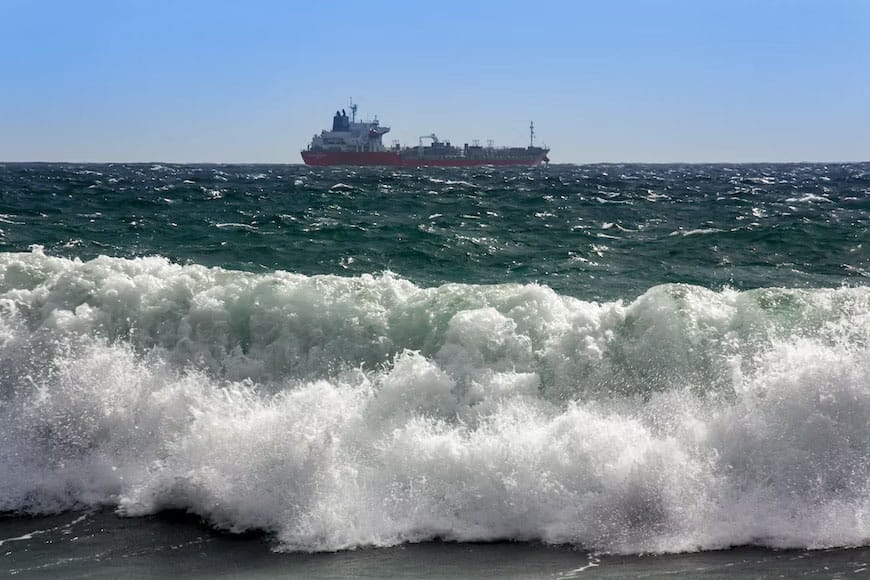
2. Bad Weather at Sea 🌊
Calm seas and clear skies make work enjoyable, but weather can change rapidly.
Heavy pitching, rolling, and strong winds test not just a seafarer’s skill, but also their stomach.
During storms, sleep is disrupted, meals are skipped, crew are seasick, and watchkeeping becomes physically demanding.
Some crew even joke about starting a business if they survive the next wave before heading straight to the rail to vomit.
Maritime takeaway: Weather is one of the most unpredictable challenges at sea, and even modern ships can’t eliminate the discomfort it brings.
3. Lack of Rest: “Every Day Feels Like Monday” ⏳
Work-rest balance is crucial for safety and efficiency, but short voyages, rapid port calls, and maintenance tasks can push crew into fatigue.
Imagine back-to-back berthings, bunkering at 3 AM, and departure by midday- without adequate rest in between.
Over time, this leads to irritability, reduced focus, and even safety risks.
Fatigue is a known contributing factor in maritime accidents, making rest hours a serious concern.
Maritime takeaway: Fatigue management should be part of every vessel’s safety culture, not just a compliance checkbox.
4. Mandatory Training Overload 📚
The Philippines is a leading supplier of skilled maritime labor, but seafarers often face an ever-growing list of required training courses.
Changes in maritime regulations sometimes mean renewing certificates even if course content hasn’t changed significantly.
While these trainings improve safety and competence, they also take up valuable vacation time and money, creating frustration among mariners.
Maritime takeaway: Training is essential, but industry stakeholders should balance regulatory compliance with the practical realities faced by seafarers.
5. Slackers at Work 🛠️
Not every crew member shares the same work ethic. Some avoid difficult or physically demanding tasks, leaving others to pick up the slack.
These individuals may look busy but contribute little, causing resentment among hardworking shipmates.
In safety-sensitive environments, this behavior doesn’t just affect morale- it can put the whole crew at risk.
Effective leadership and fair task distribution are essential to prevent this common source of tension onboard.
Maritime takeaway: Teamwork keeps a ship running efficiently; everyone must pull their weight.

6. No 13th-Month Pay 🎄💸
In many industries, employees look forward to their 13th-month pay as a holiday bonus.
Seafarers, however, don’t receive this benefit under Philippine labor law.
Instead, they may get voyage bonuses, performance incentives, or cash gifts- but these aren’t guaranteed.
For many seafarers spending Christmas at sea, this feels unfair, especially when they’re away from family during the holidays.
The absence of a fixed Christmas bonus is one of the most common salary-related gripes at sea.
Maritime takeaway: While contracts may offer other benefits, understanding the difference between shore-based and shipboard employment terms is key.
7. “Small” Salary Complaints 💰
Even with free food, accommodation, and no daily commute, some seafarers feel their wages are insufficient.
Comparisons often arise between positions, shipping companies, or international salary standards.
The truth is, many shipboard salaries are higher than average shore-based incomes. But crew members still wish for more to better support their families.
Maritime takeaway: Fair pay is subjective, but financial literacy and realistic expectations can help reduce salary-related frustrations.
8. Stringent Pre-Employment Medical Exams (PEME) 🩺
Before signing on, seafarers must pass a Pre-Employment Medical Examination (PEME) to ensure fitness for duty.
Some clinics, however, are known for strict or repetitive testing, leading to delays, extra expenses, and anxiety.
Stories of seafarers needing costly follow-ups- or even surgery, to secure medical clearance are common.
While medical screening is essential for safety at sea, the process can feel overly demanding for healthy crew members.
On top of that, medical scams are plaguing the industry too!
Maritime takeaway: Choosing accredited clinics and keeping personal health in check year-round can ease PEME stress.

9. Unfair Exchange Rate Allegations 💱
When allotments arrive in local currency, some seafarers suspect their employers apply an unfavorable exchange rate, reducing the amount they receive.
Delays in remittance can fuel speculation that funds are being “held” or invested before payout.
While not always substantiated, this perception damages trust between crew and company.
Clear communication and transparent remittance policies could help address the issue.
Maritime takeaway: Transparency in payroll and remittance processes strengthens employer-crew relationships.
10. Complaints About the Ship Cook’s Food 🍛
No matter how skilled the ship’s cook is, there’s always someone dissatisfied with the meals.
From “too sweet spaghetti” to “not enough adobo,” food complaints are a near-constant part of shipboard life.
Ironically, many who criticize galley meals later admit they miss them once ashore.
Food is the heartbeat of morale on a vessel, and even minor dissatisfaction can affect crew harmony.
Maritime takeaway: Constructive feedback improves galley service. Constant complaining does not.
Conclusion: Balancing the Complaints
Life at sea isn’t perfect.
From workload pressure to the occasional bad meal, seafarers face challenges that test patience and resilience.
But despite these gripes, the rewards- steady income, travel, and camaraderie, keep thousands returning to sea year after year.
Understanding these common complaints isn’t about negativity. It’s about finding solutions that improve life onboard for everyone.
FAQ – Common Questions About Seafarer Complaints
1. Why do seafarers complain so much?
Complaints are often a way to cope with the stress, isolation, and challenges of shipboard life. Many are rooted in genuine concerns.
2. Which complaint affects safety the most?
Fatigue from lack of rest can significantly impact safety, leading to errors during navigation, cargo handling, and watchkeeping.
3. Are all ships the same when it comes to these issues?
No. Company policies, vessel types, trade routes, and crew culture influence the frequency and intensity of complaints.
4. How can complaints be reduced onboard?
By fostering open communication, fair task distribution, adequate rest, quality food service, and transparency in pay and benefits.
May the winds be in your favor.
Leave a Reply