


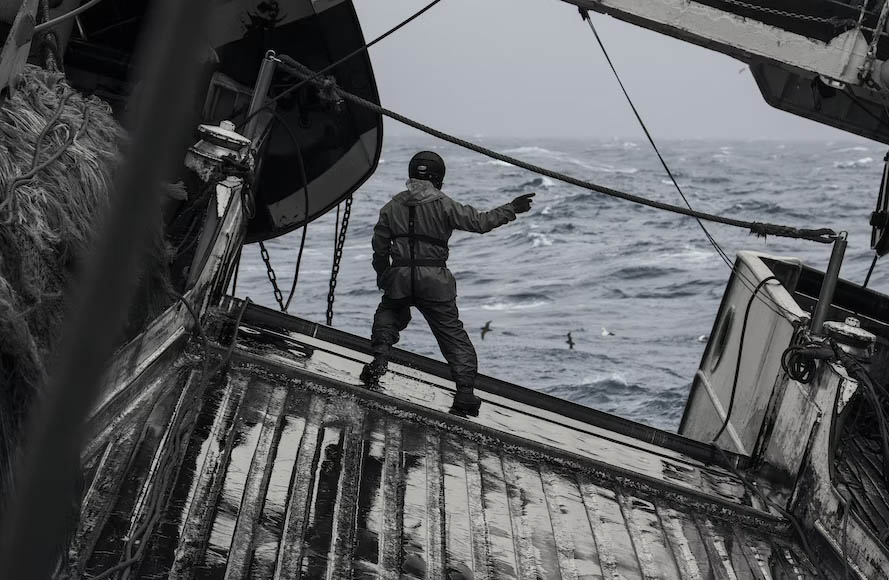
Seasickness can break even the toughest mariners. I know, because I’ve been there.
Clutching the toilet during a storm, missing meals, and bracing through bridge watch with a bucket beside me- those were regular scenes early in my career.
But as a seafarer, I knew one truth: you can’t afford to be out of commission just because the sea gets rough.
Working on an 11,000 GT oil/chemical tanker through the brutal waters of the North Sea, Baltic, and Bay of Biscay, I had to adapt or get left behind.
Today, I no longer fear rough weather. I’ve tested what works, what doesn’t, and how to develop resilience.
Let me share what truly helps- not theory, but first-hand experience.
🤢 What Is Seasickness?
Seasickness is a type of motion sickness that occurs when your body’s sensory systems send conflicting signals to your brain during a vessel’s movement at sea.
Here’s what happens:
- Your inner ear (vestibular system) detects motion.
- Your eyes, however, may see a static environment especially inside the ship.
- This mismatch confuses your brain, which triggers symptoms like:
- Nausea
- Dizziness
- Vomiting
- Fatigue
- Hypersensitivity to smell
- Slow reaction times
⛔ In severe conditions, seasickness impairs a seafarer’s ability to perform duties, endangering the individual, the crew, and the vessel.
🧭 Why Seasickness Is a Big Deal for Seafarers
Unlike passengers who can rest and recover, professional seafarers must operate in all sea states.
Whether you’re on the bridge, in the engine room, or on deck during cargo operations, the ship won’t stop for your nausea.
Worse, emergencies at sea don’t wait for calm weather.
One Chief Officer once told me:
“Do you think emergencies happen during good weather like in training drills? You better toughen up because the worst usually comes when the sea turns ugly.”
That mindset changed everything for me. I realized that developing seasickness tolerance is part of becoming a competent mariner.
🛠️ 5 Seafarer-Tested Remedies to Beat Seasickness
Here are five remedies I’ve used and refined through rough voyages.
Some are simple; others demand willpower- but they all helped me beat seasickness.
1. 🌬️ Get Fresh Air Whenever Possible
The first line of defense? Step outside and breathe fresh sea air.
When you’re inside, confined spaces and poor ventilation amplify nausea. The brain gets overwhelmed by conflicting sensory signals and the smell of paint, chemicals, or food.
🔊 I remember doing indoor paint jobs during heavy swell. One whiff of solvent and I was sprinting for the toilet. After vomiting, I went to the bridge, inhaled the ocean wind, and felt human again.
As my captain once said,
“You have to feeeel the elements.”
💡 Pro tip: Head to a safe outdoor spot like the bridge wing, open deck, or forward station (if permitted). Even 5–10 minutes of fresh air can reduce symptoms.
2. 🥤 Use Carbonated Drinks (But Not Too Much)
Soft drinks like Coca-Cola can help release gas buildup in your stomach. Burping helps relieve pressure that contributes to nausea.
✅ Drink slowly and only when you feel the symptoms starting.
⛔ Avoid overconsumption. Too much soda will bloat your stomach and make things worse.
I once stocked up on Coke for a coming storm. I drank slowly, burped like a champ, and felt amazing- until I overdid it and threw it all up again.
Moderation is key.
3. 💧 Drink Warm Water for Internal Relief
Warm water acts as a gentle soother for your upset stomach.
It helps by:
- Relaxing your gut
- Reducing nausea
- Calming stomach acids
Bonus: placing a warm bottle on your belly can ease that tight, cold sensation many seafarers feel during bad weather.
But again, go slow.
I once drank too much warm water too quickly and ended up spending quality time with the toilet.
Learn your limits.
4. 🍫 Try Chocolate – But Use with Caution
Some seafarers recommend eating solid, sweet snacks like chocolate to help settle the stomach when liquids feel too heavy.
I gave it a try.
🍫 The sugar rush helped at first. I felt mentally distracted and slightly better. But during a particularly rough passage, I ate too much and learned the hard way:
- Melted chocolate in your throat during nausea is… not ideal.
- The sweetness becomes cloying and hard to swallow once you’re already feeling sick.
Recommendation: Use chocolate sparingly, and only if you’re not already close to vomiting. It works better as a preventive mood booster than a real remedy.
5. 💪 Willpower: The Most Powerful Remedy at Sea
Seasickness isn’t just physical- it’s mental.
While it’s easy to pop a pill or lie down, building real tolerance requires willpower.
This was the #1 advice from my crewmates:
“You’ll get used to it.”
But how?
🔍 Mind-over-matter techniques I used:
- Visualization: Daydreaming about life goals, family, travels, or post-contract plans
- Mental diversion: Replaying your favorite anime episode or music in your head
- Shifting focus: Thinking about your next paycheck, promotions, or shore leave
Over time, this mental shift helped my body adjust.
My nausea faded, and I eventually stood my watch- even in heavy seas, without issue.
💡 “If the mind endures, the body follows.”
🚑 When Should You Seek Medical Help?
While most cases of seasickness pass, some may need medical intervention especially if:
- You can’t eat or drink for over 24 hours
- You experience extreme dehydration or disorientation
- You begin to miss safety-critical duties
- You show signs of persistent vomiting with other symptoms
Every vessel carries anti-motion sickness medications (like meclizine or dramamine). If natural remedies fail, report to the Master or ship’s medical officer for assistance.
⛔ Personal Note: I avoided medication because the smell and thought of pills worsened my condition but they are effective for many.
⚓ Bonus Tips for Beating Seasickness (and Becoming Sea-Resilient)
✅ Eat light, bland meals before bad weather
✅ Avoid sour or strong-smelling foods (they trigger nausea faster)
✅ Stay hydrated, but sip slowly
✅ Keep your gaze on the horizon when outside
✅ Don’t isolate yourself: Working helps distract the mind
✅ Practice exposure: Don’t always run to your bunk at the first roll. Let your body adapt.
And most of all:
📌 Never give up. Every experienced mariner you meet today had a rough start.
🤔 FAQs About Seasickness
❓ What causes seasickness on ships?
Seasickness is caused by a conflict between your inner ear (which senses motion) and your eyes (which see a stable environment), confusing your brain and triggering nausea.
❓ How long does it take to get used to seasickness?
Most seafarers adapt within 3 to 7 days, especially if they expose themselves regularly to the motion rather than avoiding it.
❓ Are there natural remedies for seasickness?
Yes. Natural remedies include fresh air, hydration, carbonated drinks, chocolate in moderation, and mental distraction techniques.
❓ Should I take medication for seasickness?
You may consider prescribed motion sickness medication if natural remedies fail. However, many seafarers build resistance through exposure and willpower.
❓ Can I be disqualified from working at sea due to severe seasickness?
Rarely. If seasickness severely affects your performance long-term and repeatedly, it may raise concerns during your Pre-Employment Medical Exam (PEME) or onboard assessments.
⚓ Final Thoughts: Don’t Let the Sea Win
Seasickness is a rite of passage for many mariners. But with the right methods, mindset, and a bit of stubborn willpower, you can beat it.
🌊 The ocean is unpredictable. But that’s what makes a great sailor- someone who thrives despite discomfort.
So if you’re suffering now, don’t quit. The stronger version of yourself is just one voyage away.
May the winds be in your favor.
Leave a Reply