


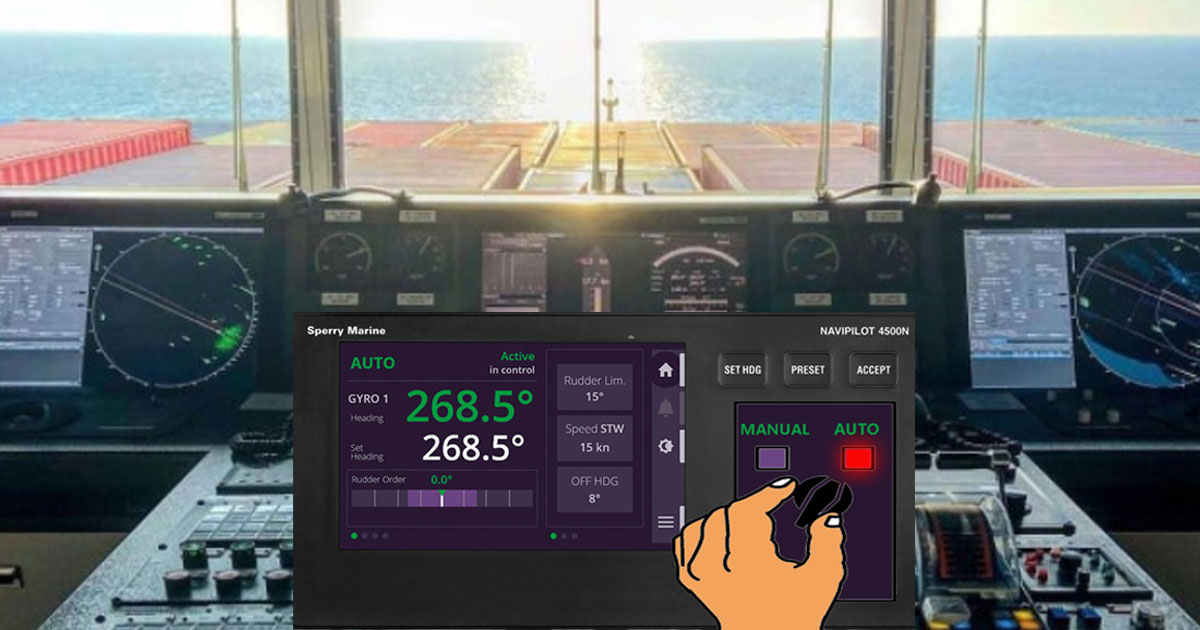
Modern ships use autopilot systems to reduce helm workload and ensure fuel-efficient navigation.
But when conditions change- such as entering port, facing heavy traffic, or operating in restricted visibility, manual steering becomes essential.
This guide explains when and how to safely transition between automatic and manual steering modes.
🧭 Why Steering Mode Transitions Matter
Changing a vessel’s steering mode is a key decision that impacts navigational safety, ship handling, and bridge resource management (BRM).
Both autopilot and manual (hand) steering serve vital roles, and knowing when to switch between them is part of every officer’s core responsibility.
⚙️ Autopilot vs Manual Steering: Key Differences
| Mode | Description |
|---|---|
| Autopilot | Computer-controlled system that keeps the vessel on a pre-set course. Ideal for open-sea navigation and energy efficiency. |
| Manual Steering | Human-operated steering via helm or joystick. Used when precision, situational awareness, or quick reactions are critical. |
📋 When to Switch from Autopilot to Manual Steering
Transition to manual steering (also called hand steering) when higher situational awareness, immediate rudder control, or precision maneuvering is needed.
✅ Situations Requiring Manual Steering:
- ⛵ Within 2 nautical miles of the coast or navigational hazards
- ⚠️ Congested waters, including traffic separation schemes
- 🚢 Entering or leaving ports, fairways, and anchorages
- 🌊 Adverse weather conditions (e.g., strong wind, swell, or currents)
- ⚓ Navigating in anchorages or moored status
- 📉 Shallow water: When depth is <150% of the vessel’s maximum draft
- 🆘 During emergencies or autopilot malfunctions
- 🌫️ Reduced or restricted visibility
- 🧭 When maneuvering to avoid traffic
- 🧪 As part of steering gear drills or watchkeeping checks
- 🧑✈️ When the Pilot is onboard or the Master deems it necessary
- 🏴☠️ In case of piracy threats
- 🔄 At least once every bridge watch (for system testing)
🔁 Real-World Practice: Autopilot Exceptions
While the above guidelines apply to most situations, some captains and pilots prefer autopilot even in traditionally manual zones like port approaches or traffic lanes provided visibility and traffic allow it.
Ultimately, the Master has the final authority based on real-time conditions.
💡 Note: Always log the changeover and brief the helmsman to avoid confusion or control conflicts.
🛠️ How to Change from Autopilot to Manual Steering
Transitioning from autopilot to manual requires coordination and verification. Here’s a standard checklist used on merchant vessels:
👨✈️ Step-by-Step (Auto ➝ Manual):
- 🧍 Ensure the helmsman is at the wheel, fully briefed on current heading and conditions.
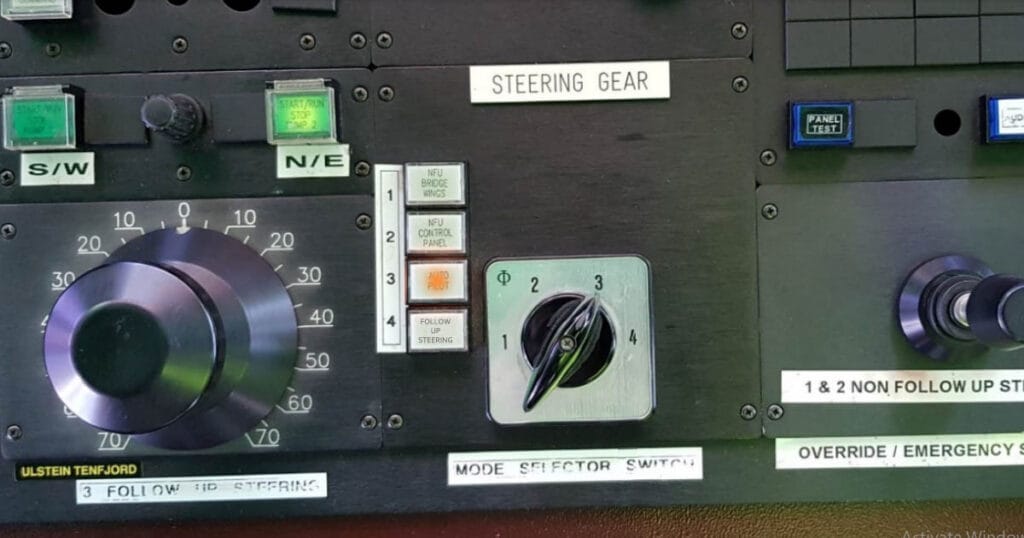
- 🔄 Turn the selector knob (or button) on the steering console to Manual.
- 🗣️ Confirm the helmsman acknowledges the change.
- 🎯 Observe rudder response to helm inputs.
- 📖 Log the change in the deck logbook, noting time and reason.
⚙️ On some ships, especially newer bridges, the switch is via touchscreen or panel buttons instead of knobs.
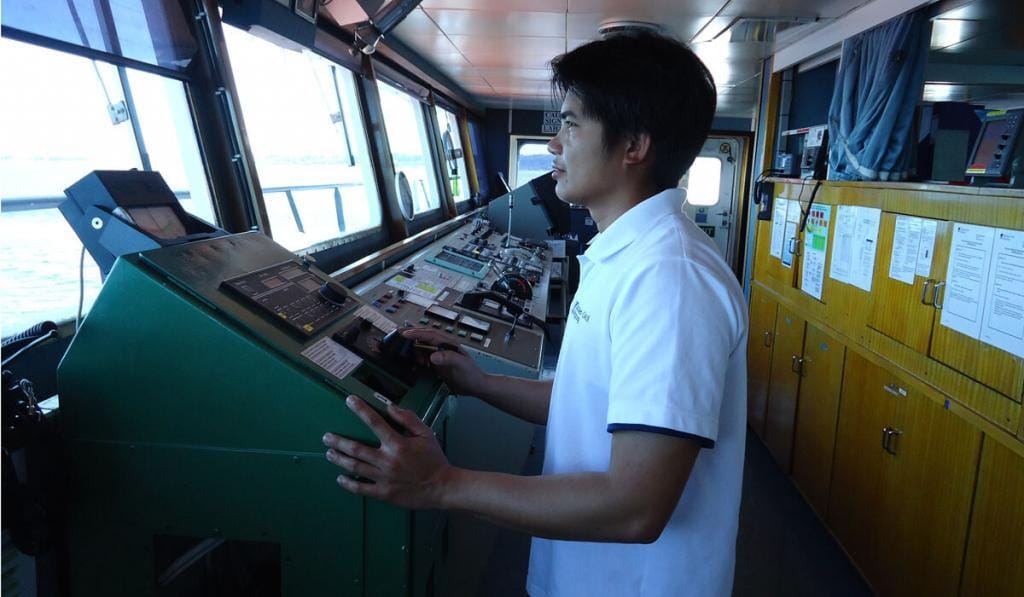
🔁 When to Switch from Manual to Autopilot Steering
After navigating high-risk areas, manual steering can be reverted to autopilot when conditions become stable and predictable.
✅ Situations Ideal for Autopilot:
- 🌊 At open sea on long passages
- ☀️ Clear weather and good visibility
- 🚦 Minimal traffic in the vicinity
- ⚓ After passing navigational hazards or critical maneuvers
- 😴 During crew fatigue management
- 🧭 To maintain a steady course and speed over extended durations
- 🧑✈️ When the Master authorizes the switch
⚠️ Important: Always ensure the vessel is on the correct course and helm is amidships before engaging autopilot.

🛠️ How to Change from Manual to Autopilot Steering
Switching back to automatic steering also requires confirmation and observation.
🧑✈️ Step-by-Step (Manual ➝ Auto):
- 🗣️ Inform the helmsman of the upcoming mode switch.
- 🎯 Bring the rudder to midships and align the ship to its desired heading.
- 🔄 Turn the steering console knob from Manual to Automatic.
- ✅ Confirm the helmsman acknowledges the transition.
- 👀 Monitor that the autopilot adjusts rudder correctly to stay on course.
- 📖 Log the changeover in the deck logbook with time and conditions.
🧠 Summary: Quick Transition Guidelines
| Steering Mode | Best Used When… |
|---|---|
| Manual | Near hazards, in traffic, port maneuvers, poor weather |
| Autopilot | Open sea, light traffic, steady course, low fatigue risk |
📋 Always follow your company’s steering changeover policy and confirm functionality during bridge equipment checks.
❓ FAQs
📌 Why is hand steering mandatory in restricted waters?
Manual steering gives precise, immediate rudder control, which is crucial in narrow channels, near ports, or during emergency avoidance.
📌 Can autopilot be used when visibility is poor?
It’s not recommended. Restricted visibility demands faster decision-making and reaction- best handled via manual steering.
📌 Who decides when to switch steering modes?
Ultimately, the Master has full authority.
However, the OOW (Officer of the Watch) often initiates the change based on standing orders and real-time conditions.
⚓ Final Takeaway & Call to Action
Knowing when and how to switch between autopilot and manual steering is a fundamental shiphandling skill for every deck officer and helmsman.
Always stay vigilant, communicate clearly, and verify rudder control after every changeover.
👉 For more expert navigation procedures and bridge operations, explore our Navigation categories and Bridge Equipment tag at CaptainsMode.com.
May the winds be in your favor.
Leave a Reply