


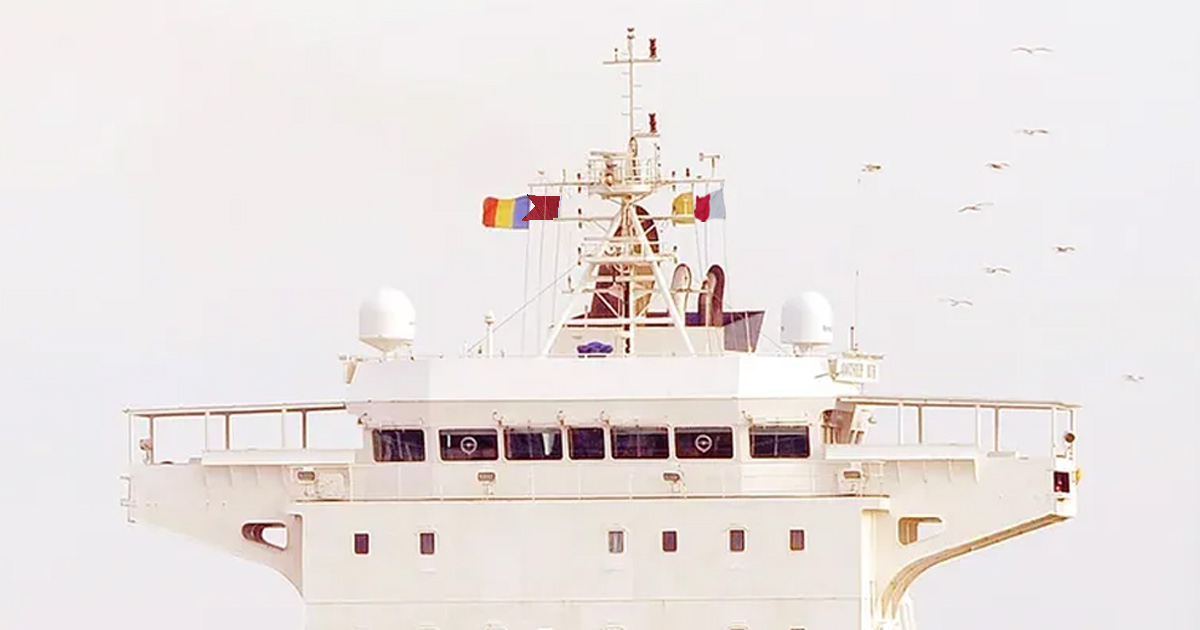
Maritime signal flags remain an essential visual communication tool used by ships worldwide.
Even in the age of digital systems like AIS and VHF radio, the International Code of Signals (ICS) plays a vital backup role in navigation, safety, and port operations.
From requesting a pilot to declaring hazardous cargo, these flags provide immediate, non-verbal communication between ships, ports, and nearby vessels.
⚓ Why Do Ships Use ICS Flag Signals?
ICS flag signals are a globally recognized system of nautical communication that allow ships to express their status, intentions, or emergencies using simple colored banners.
These 26 international maritime signal flags, based on the alphabet, each have a specific meaning.
Seafarers hoist these flags on the fore or aft mast particularly during pilotage, cargo operations, or when entering port, to comply with international maritime protocols and ensure navigational safety.
📘 ICS Signal Flags Every Seafarer Should Know
Based on actual sea service experience, here are the 6 most commonly used ICS flag signals you’ll likely encounter on merchant ships today.
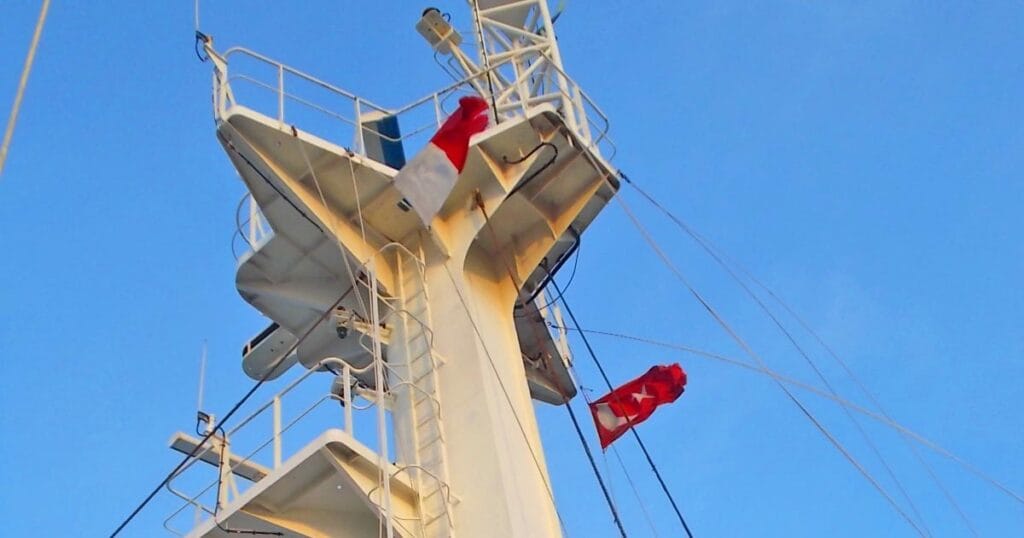
1. 🇭 Hotel (H) – Pilot On Board
Meaning: “I have a pilot on board.”
When Used:
This is one of the most commonly hoisted flags, especially during port entry. It informs nearby vessels and port authorities that a harbor pilot is navigating the vessel.
Description:
- Split vertically:
- Left half: White
- Right half: Red
Seafarer Tip:
Always hoist the Hotel flag promptly during pilot boarding. Most ships raise it on the aft mast or bridge wing for clear visibility during port approach.
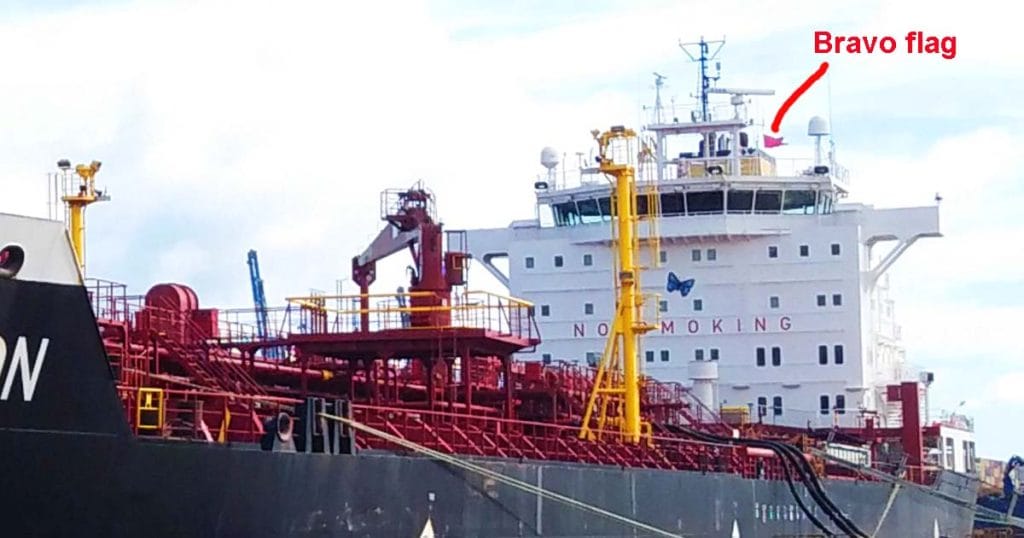
2. 🇧 Bravo (B) – Dangerous Cargo Handling
Meaning:
- “I am taking in, discharging, or carrying dangerous goods.”
When Used:
The Bravo flag is mandatory during bunkering, tanker cargo operations, or when carrying hazardous materials like flammable liquids or chemicals.
Description:
- Solid red rectangular flag
Application:
Not just tankers– any vessel handling dangerous cargoes (even fuel bunkering) must display the Bravo flag as per SOLAS and ICS requirements.
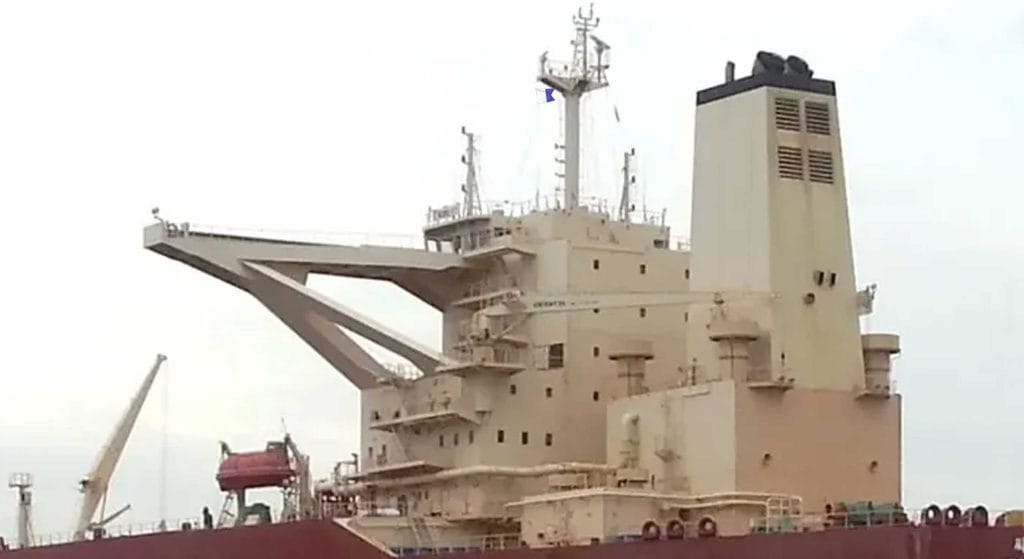
3. 🇦 Alfa (A) – Diver Down, Keep Clear
Meaning: “I have a diver down; keep well clear at slow speed.”
When Used:
This flag signals underwater inspections or repairs, such as hull cleaning or propeller checks. It warns other ships to reduce speed and steer clear.
Description:
- Split vertically:
- Left half: White
- Right half: Blue
Pro Practice:
Ships flying the Alfa flag also issue a VHF broadcast on channel 16 to alert nearby traffic. Some countries even require additional signals like red buoys or lights.
4. 🇶 Quebec (Q) – Requesting Free Pratique
Meaning: “My vessel is healthy, and I request free pratique.”
When Used:
The Quebec flag is displayed when a ship is awaiting health clearance from port authorities before disembarkation, especially in international ports.
Description:
- Solid yellow rectangular flag
Fun Fact:
This flag is often called the “Quarantine Flag”, though ironically, it means the vessel is disease-free and asking to be cleared – not actually under quarantine.
5. 🟨🔴 Oscar (O) – Man Overboard
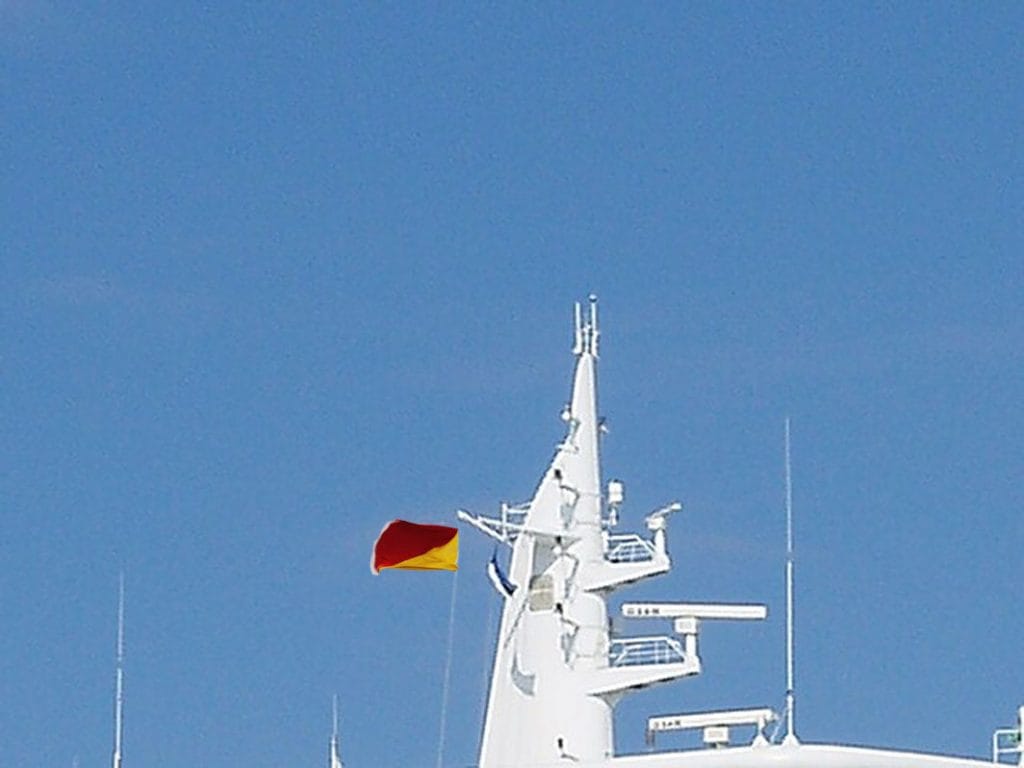
Meaning: “Man overboard.”
When Used:
Displayed during an active man overboard emergency, the Oscar flag prompts nearby vessels to assist in search and rescue or maintain a sharp lookout.
Description:
- Diagonally divided:
- Upper triangle: Red
- Lower triangle: Yellow
Seafarer Insight:
Some vessels keep a dedicated Oscar flag ready to hoist immediately during MOB drills or emergencies.
6. 🇳🇨 November-Charlie (NC) – Distress Signal
Meaning: “I am in distress and require immediate assistance.”
When Used:
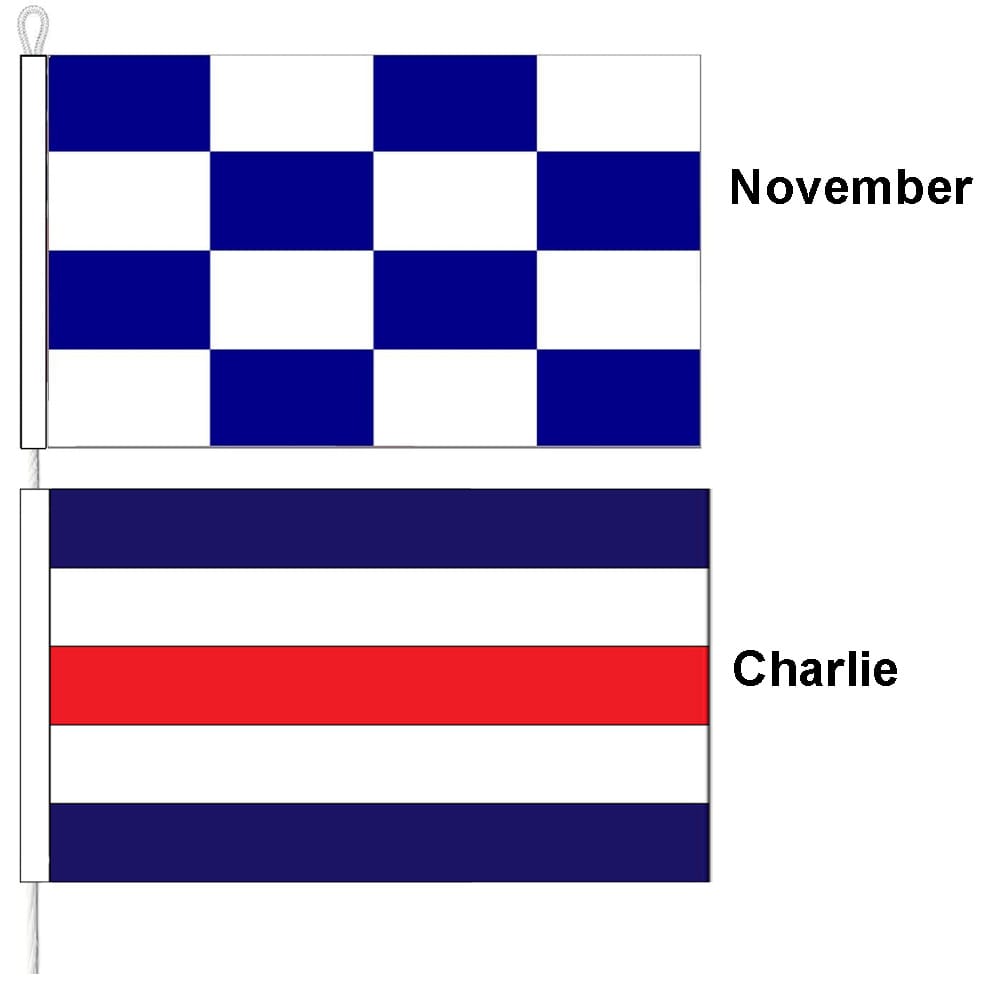
The NC signal is a recognized maritime distress communication. Though not a single-letter flag, this two-flag combination is widely respected and used.
Description:
- November: Blue and white checkers
- Charlie: Blue, white, red, white, blue horizontal stripes
Usage Tip:
Hoist these flags vertically on a halyard in daylight or pair them with distress flares and VHF calls to alert nearby traffic.
🎯 How to Use and Hoist ICS Flags on Ships
Using maritime signal flags involves tying each pennant to a halyard (rope) and hoisting it on the ship’s mast or bridge top during daylight hours.
The flags must be:
- Clearly visible from port or starboard
- Displayed in the correct sequence (if multi-letter)
- Lowered immediately after their purpose is served (e.g., after pilot disembarkation or health clearance)
💡 Modern ships still rely on ICS flags as a visual backup when AIS, ARPA, or VHF systems are unavailable or temporarily offline.
❓ FAQs About Maritime Signal Flags
What does the Bravo flag mean in port?
It means the ship is loading, discharging, or carrying dangerous goods, such as fuel or chemicals.
Can multiple ICS flags be used at once?
Yes but on separate halyards. Vessels often hoist multiple flags (e.g., Hotel + Quebec + Bravo) to indicate pilotage, health status, and hazardous operations.
Are ICS flags still mandatory on ships?
Yes. ICS flags are part of SOLAS requirements and are especially important during port entries and emergencies.
Where are ICS flags usually hoisted?
They’re typically hoisted on the forward mast, aft mast, or bridge topmast, depending on the ship’s layout and visibility needs.
📌 Final Thoughts: Why ICS Flags Still Matter
While digital communications dominate modern shipping, ICS flag signals remain a vital redundancy for conveying ship status and emergencies.
Every seafarer, from cadet to master, should be familiar with their meanings and proper usage.
Stay safe, stay sharp, and let those colors fly with meaning. 🌊🚩
May the winds be in your favor.
Leave a Reply