


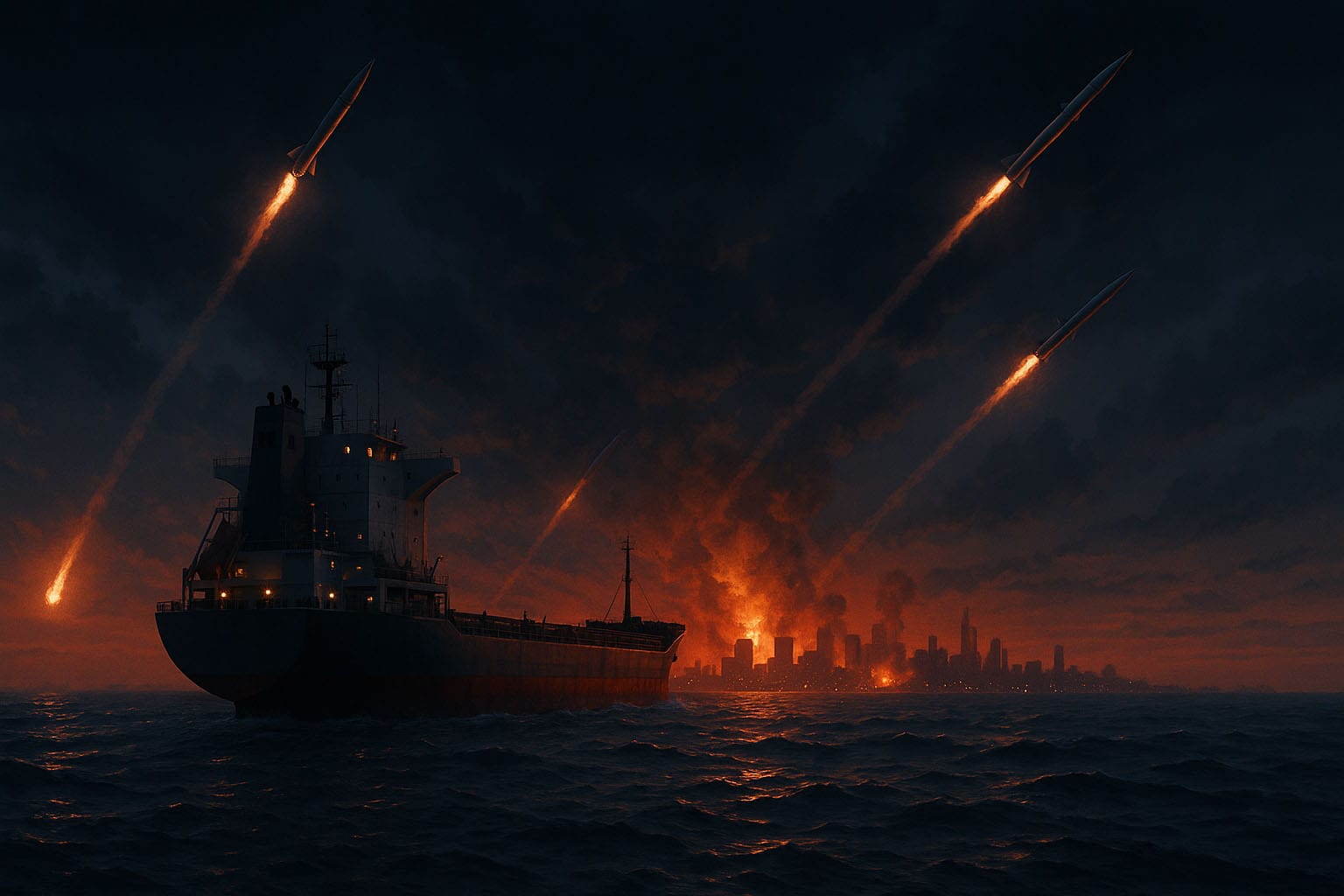
The maritime world continues to face high-risk navigation zones due to ongoing conflicts.
The Russia–Ukraine war, which escalated into a full-scale invasion in February 2022, and the rising tensions between Israel and Iran, have made areas like the Black Sea, Eastern Mediterranean, and the Persian Gulf especially dangerous for commercial shipping.
Despite these threats, seafarers must carry out their duties- transporting cargo to ports that may lie within or near conflict zones. These include Ukrainian and Russian ports, Israeli harbors, and strategic choke points like the Strait of Hormuz and Gulf of Oman.
While global conflicts are beyond our control, what we can control is how we operate onboard. Seafarers must be vigilant, well-prepared, and proactive in following ship security protocols when navigating through conflict-affected maritime regions.
This guide outlines essential safety measures and best practices for crews operating near warzones, hostile waters, and militarized sea lanes.
1. Understand the Risks
Navigating near active warzones poses serious risks to merchant ships and their crews. In modern conflict areas, seafarers must be aware that maritime threats are not limited to missiles alone.
Armed drones, sea mines, and electronic warfare tactics like GPS jamming and AIS spoofing have become common in high-risk zones such as the Strait of Hormuz, Persian Gulf, and parts of the Red Sea.
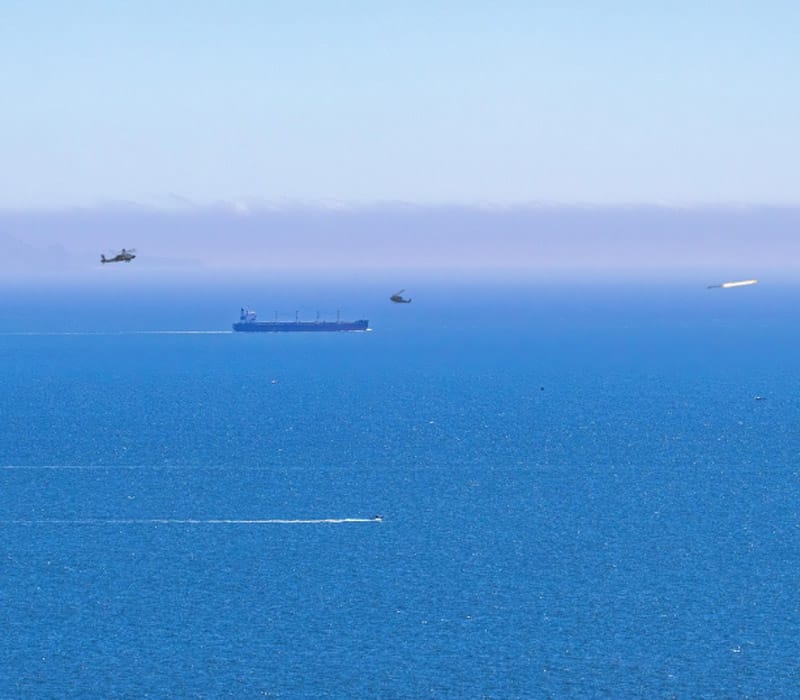
One crewmember even shared an experience where a missile struck their vessel near the Persian Gulf, emphasizing how real the danger is.
In addition, militias or state-backed forces may attempt to seize vessels or take hostages to make political statements or demand ransoms- a growing concern for ships sailing under flags of certain countries.
2. Stay Informed
Staying updated with real-time maritime risk alerts is crucial when sailing near warzones.
Seafarers and bridge teams must regularly check security advisories, flag-state bulletins, and industry intelligence updates.
Make it part of your voyage routine to follow reliable sources, such as:
- UKMTO (United Kingdom Maritime Trade Operations)
- IMSC (International Maritime Security Construct)
- GISIS (Global Integrated Shipping Information System)
- MARAD (U.S. Maritime Administration)
- ICS (International Chamber of Shipping)
- Your flag state’s maritime authority
- Your ship’s Company Security Officer (CSO)
- Any company-endorsed intelligence provider or risk consultancy
These organizations issue timely updates about hostile activity, regional conflict spillovers, piracy, and safe routing recommendations.
Incorporate these insights into your passage planning and onboard security meetings.
3. Plan Ahead
Reroute if needed. As Master, you must raise this option with your company or charterer.
If the area is high-risk, propose to avoid conflict zones, even if it means added time or fuel costs. Safety takes priority.
Update your voyage plan accordingly. Notify your shipping company, charterers, and relevant maritime authorities of any changes in route or ETA.
Ensure full compliance with international regulations related to war risk zones, voyage planning, and maritime security reporting.
4. Reinforce Safety Precautions
Conduct safety drills and onboard training. Ensure the crew is prepared to respond to emergencies, such as:
- Firefighting and damage control
- Medical emergencies
- Communication and distress protocols
Implement heightened shipboard security measures:
- Enhanced watchkeeping and surveillance routines
- Secured and encrypted communication systems
- Restricted access to critical vessel areas
Finally, maintain vessel integrity.
Conduct regular inspections of the hull, machinery, and essential equipment to reduce the risk of mechanical failures or onboard incidents during high-risk transits.
5. Communicate and Coordinate
Establish robust communication channels. Ensure you have reliable primary and backup systems, including:
- Satellite phones
- VHF and HF radios
- Email and maritime messaging platforms
Coordinate with maritime authorities and agencies:
- Local port authorities
- Maritime Rescue Coordination Centers (MRCCs)
- Your company’s operations or security team
Maintain awareness by sharing information with other vessels. This is very useful as you can receive first hand info from them.
Participate in Vessel Traffic Services (VTS) and exchange updates to enhance situational awareness in conflict-affected areas.
6. Prepare for Emergencies
Develop a clear contingency plan. What if you’re attacked? What if hijackers attempt to board your vessel?
Establish and drill emergency procedures, including:
- Evacuation and muster protocols
- Medical response and triage
- Measures to deter or repel hijackers
Response to vessel damage or grounding
Stock critical supplies. Ensure sufficient provisions, fuel, water, and spare parts are on board, with a portion stored inside the citadel to sustain the crew for several days if locked down.
Stay alert and flexible. Continuously monitor the threat environment and adapt your safety and navigation plans as needed.
Final Thoughts: Warzone Navigation Demands Preparation, Not Panic
These procedures align with international safety standards like SOLAS and security frameworks under the ISPS Code.
While you may not have control over your voyage orders, you do have control over how you respond.
From strengthening onboard security measures to staying informed through maritime advisories, your vigilance can make the difference between safety and disaster.
- Always prioritize crew safety, vessel readiness, and regulatory compliance.
- Report suspicious activity and follow best practices outlined by your company’s Ship Security Plan (SSP).
The sea may be neutral but it’s not always safe. And in warzones, the most prepared crews are the ones that survive.
Do you manage a vessel or crew transiting high-risk waters? Contact us for downloadable checklists and warzone-specific navigation guides tailored for Masters and CSOs.
Leave a Reply