


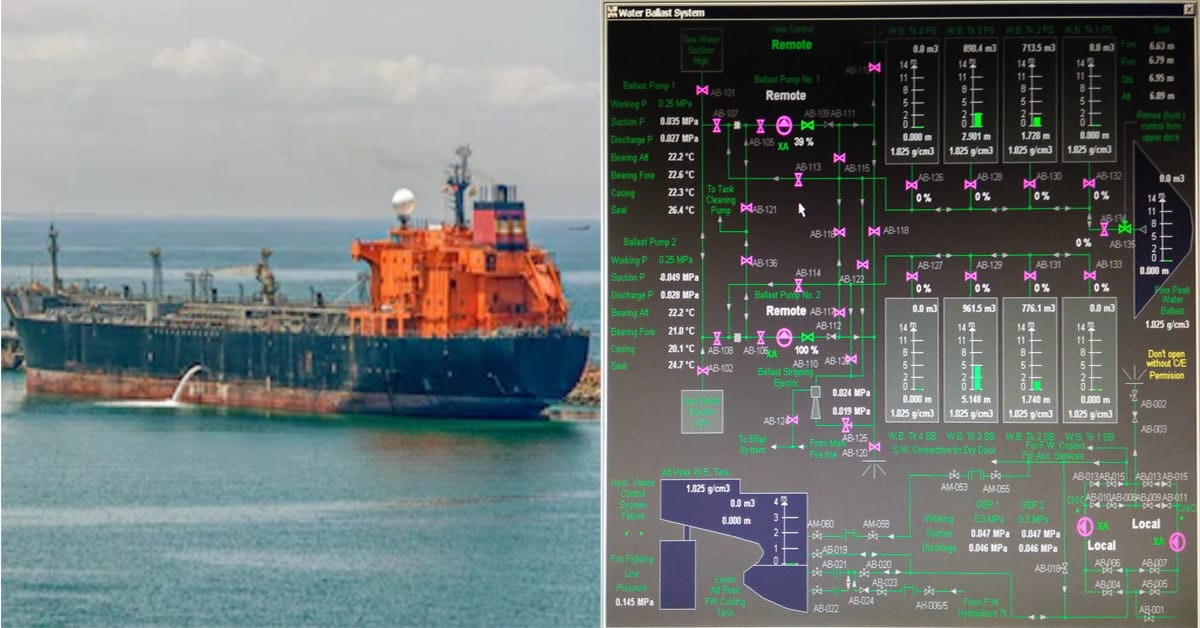
Ballasting and deballasting are essential shipboard operations that directly impact a vessel’s stability, draft, and safety.
Whether you’re a cadet, junior officer, or maritime enthusiast, understanding this process is critical to safe navigation and efficient cargo handling.
In this guide, you’ll learn what ballasting and deballasting mean, why they’re performed, and how they’re carried out using onboard systems like ballast pumps, segregated ballast tanks (SBTs), and stripping ejectors.
🌊 What Is Ballasting and Deballasting?
Ballasting is the process of taking seawater into designated tanks- called ballast tanks, to add weight and stabilize the ship.
Deballasting, on the other hand, involves discharging seawater from those tanks back into the sea to reduce weight or adjust trim and draft.
These operations use dedicated ballast water tanks, which are designed to store only seawater- not fuel, cargo, or any other substance.
Once inside, this seawater is referred to as ballast water.
⚙️ How Is Ballast Water Transferred?
Ballasting and deballasting can be done using two primary methods:
✅ 1. Gravity Method
This is the simplest and most cost-effective method.
By opening the correct valves, seawater naturally flows in or out of the ballast tanks due to gravity.
However, this method has limitations:
- Once the internal tank level equals the external sea level, gravity stops working.
- It works best when tanks are either nearly full or nearly empty.
✅ 2. Ballast Pump Method
When precision, speed, or variable tank levels are involved, ballast pumps are used.
These high-capacity pumps move seawater into or out of specific tanks based on operational needs.
🛠 Why pumps are preferred:
- Essential during simultaneous cargo and ballast operations
- Faster operation
- Works at all stages (not reliant on tank level)
⚠️ When Do Ships Perform Ballasting and Deballasting?
Ballasting and deballasting aren’t random operations.
They follow a strategic plan based on the ship’s condition, cargo status, environmental factors, and navigational requirements.
Below are the most common scenarios where these procedures are essential.
⚓ 1. During Cargo Operations
Cargo loading and discharging directly affect a vessel’s weight distribution and stability.
Ballasting and de-ballasting are performed simultaneously to compensate for this weight change.
- While loading cargo: Deballasting is done to remove excess weight and maintain optimal trim and stability.
- While discharging cargo: Ballasting is carried out to replace the lost weight and avoid excessive buoyancy or structural stress.
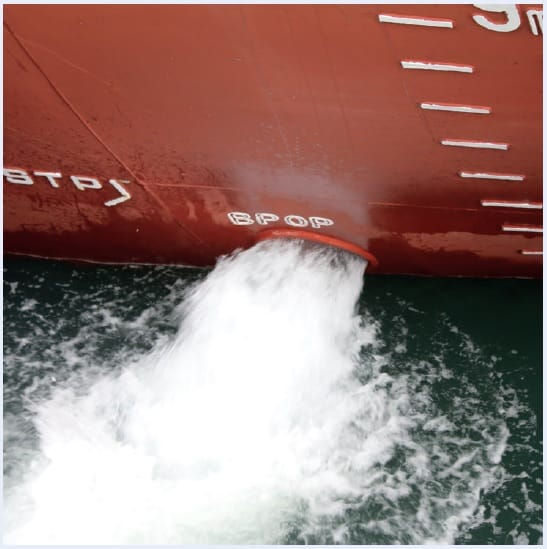
💡 If you see seawater being discharged from a ship’s side while loading, she’s likely in the process of deballasting.
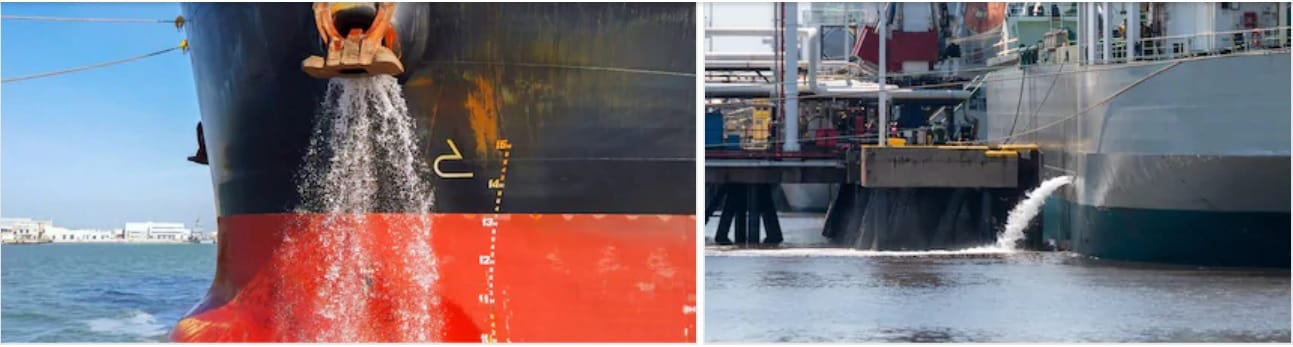
Image Source: Shutterstock
🛳️ 2. Entering Ports, Channels, or Canals
Ports and navigational waterways often have strict draft restrictions.
To meet these requirements:
- Deballasting reduces draft so the vessel can enter shallow ports.
- Ballasting increases draft if the vessel is riding too high and needs added stability.
Operators may use a combination of both to fine-tune the ship’s trim before passing through depth-restricted areas.
🌬️ 3. Emergency Heavy Weather Ballasting
During heavy seas- especially for ballast voyages, ships may experience excessive pitching and stern emergence, causing the propeller to over-speed.
To counteract this:
- Ballast water is pumped into cargo tanks to increase stern draft.
- This stabilizes the vessel and ensures continuous propeller immersion.
⚠️ This emergency procedure increases weight and draft, reducing motion and protecting the propulsion system.
🔄 4. Ballast Water Exchange
Ballast water may contain marine organisms and microorganisms from one region. Discharging them into a different ecosystem can cause biological invasions.
To prevent this, ships perform:
- Open-sea ballast exchange, pumping out old ballast and replacing it with local seawater.
- Overflow exchange, where new water is pumped in until the original is diluted and overflows.
🌍 This is mandated by the IMO Ballast Water Management Convention to reduce the spread of invasive species.
🧭 5. Emergency Inspections or Trim Adjustments
Ballasting can also support special inspection scenarios.
For example:
- A ship trims by the head (bow-down) to expose the stern for rudder inspection.
- This involves ballasting forward tanks and deballasting aft tanks to achieve the desired trim.
🛠️ This method allows the crew to visually inspect parts of the hull without dry-docking.
🏖️ 6. Grounding Situations
When a vessel runs aground, part of its weight presses against the seabed.
To free the ship:
- Deballasting reduces the vessel’s weight, allowing buoyancy to assist in refloating.
- Care must be taken to keep the propeller submerged, especially for propulsion attempts.
- If self-refloating fails, external help from tugs or dredgers may be required.
This is one of the critical uses of controlled ballast management during emergencies.
🛡️ 7. Hull Breach Containment
Ballast tanks also serve as a buffer layer in the event of a hull breach.
- Ships are built with double bottoms and double sides where ballast tanks are located.
- If water enters one tank due to damage, its effect is contained to that compartment.
- Ballasting or deballasting can then be strategically performed to restore balance and reduce flooding risk.
This redundancy is part of SOLAS and IMO safety design standards to protect both cargo and crew.
⚙️ Understanding the Ballast System Components
A ship’s ballast system is engineered for safety, control, and flexibility.
It comprises the following key components:
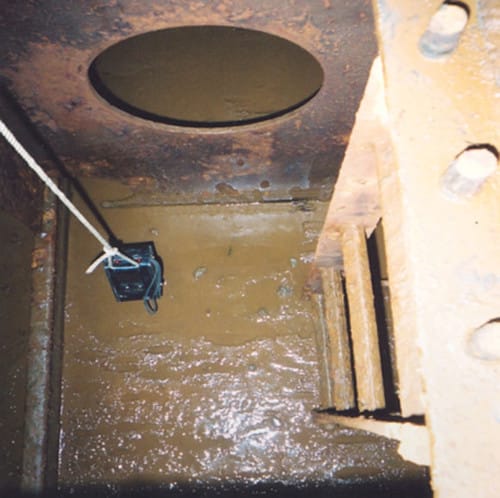
🧱 Ballast Tanks (SBTs)
- Also known as Segregated Ballast Tanks
- Dedicated to storing seawater only
- Positioned along the ship’s sides and bottom for balance
These tanks do not interact with fuel or cargo systems to prevent contamination.
🔁 Piping and Valves System
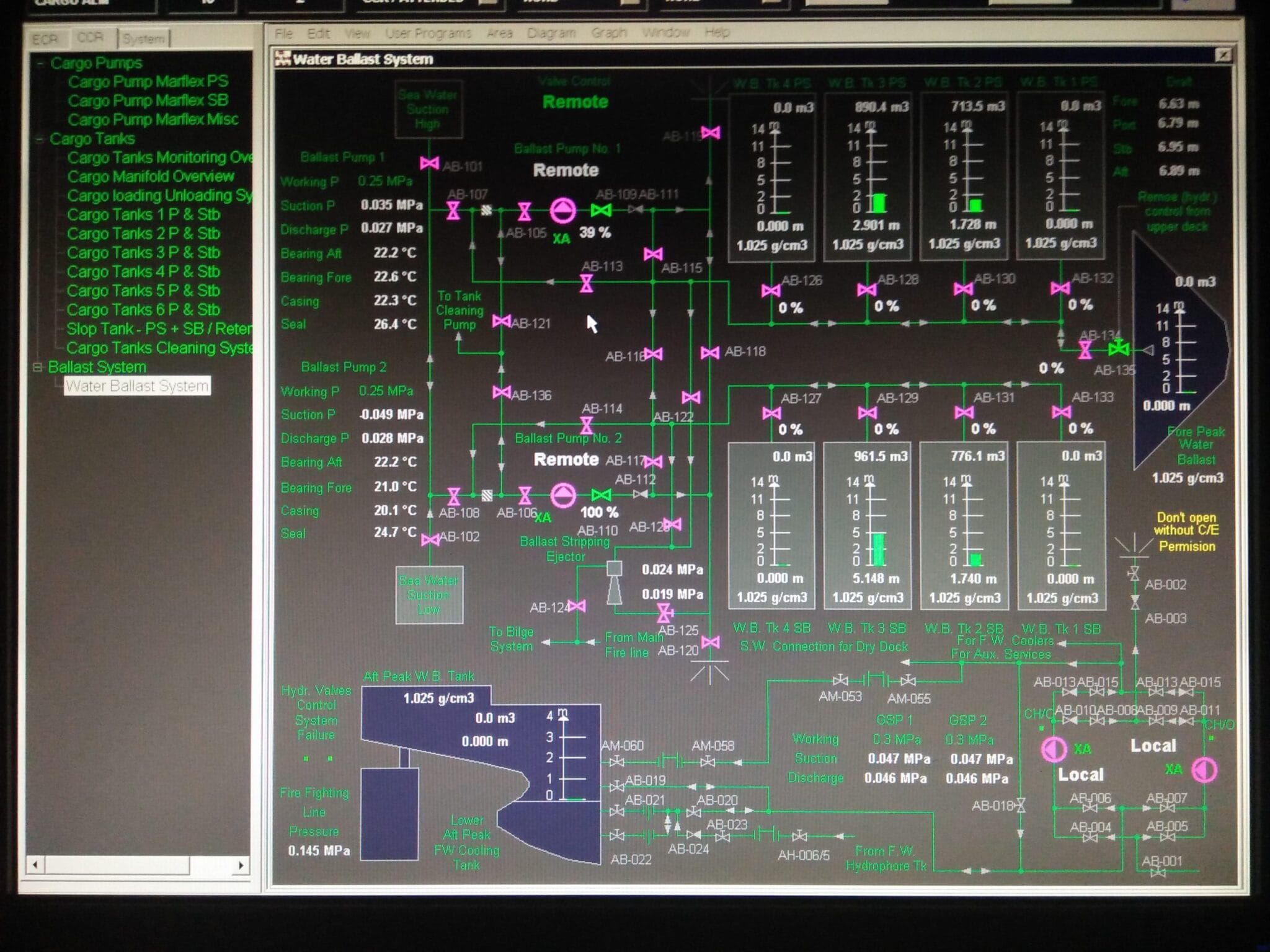
A network of pipelines, valves, and manifolds connects the ballast tanks to pumps and sea chests.
Officers can control:
- Which tanks to fill or empty
- The sequence of ballasting
- Flow direction between tanks or overboard
⚙️ Ballast Pumps
Ballast pumps are the core movers of the system:
- Typically two high-capacity centrifugal pumps
- Operated from the engine room or cargo control room
- Sized to match or exceed the cargo transfer rate
💨 Ballast Stripping Ejector
At the final stages of deballasting, ballast pumps can no longer discharge small amounts of water.
That’s where stripping ejectors come in:
- Operated using fire mains
- They create suction by water jet (Venturi effect)
- Effectively strip the remaining water from ballast tanks
💡 You’ll know a ship is stripping ballast when water discharges from the anchor wash pipe and another outlet amidships.
👨✈️ Who Oversees the Ballasting Operation?
The Chief Officer (C/O) is responsible for:
- Planning the ballasting and deballasting operations
- Ensuring vessel stability, trim, stress limits, and compliance
- Coordinating with engine room and deck officers
Due to work/rest hour limits under STCW, the Officer on Watch (OOW) may perform the operation based on the Chief Mate’s plan and supervision.
📝 The cargo plan includes detailed instructions for ballast operations alongside loading and discharge procedures.
🤖 Can AI Replace Humans in Ballasting Operations?
While discussions around autonomous ships continue, ballasting remains a highly judgment-based task involving:
- Real-time stress monitoring
- Trim optimization
- Emergency adjustments
💡 As of now, no AI system can fully replicate the situational awareness and decision-making required for safe ballast management.
✅ Conclusion: The Hidden Backbone of Ship Stability
Ballasting and deballasting are far more than technical routines- they are the hidden forces that keep ships stable, safe, and seaworthy.
From port entry to heavy weather, from emergencies to ecosystem protection, ballast operations support virtually every phase of a ship’s journey.
For cadets and new officers, mastering these operations is not only a skill, it’s a responsibility.
❓ Frequently Asked Questions (FAQ)
Q: What is the purpose of ballast water?
A: To stabilize the ship, adjust draft, and maintain structural balance during different operating conditions.
Q: What tanks are used for ballast?
A: Dedicated ballast tanks, also known as Segregated Ballast Tanks (SBTs).
Q: How is ballast water exchanged?
A: By discharging the old ballast water and refilling tanks with fresh seawater in open sea, following IMO regulations.
Q: Who controls ballast operations on board?
A: The Chief Officer plans and supervises the operation; OOWs carry it out under guidance.
May the winds be in your favor.
Leave a Reply