

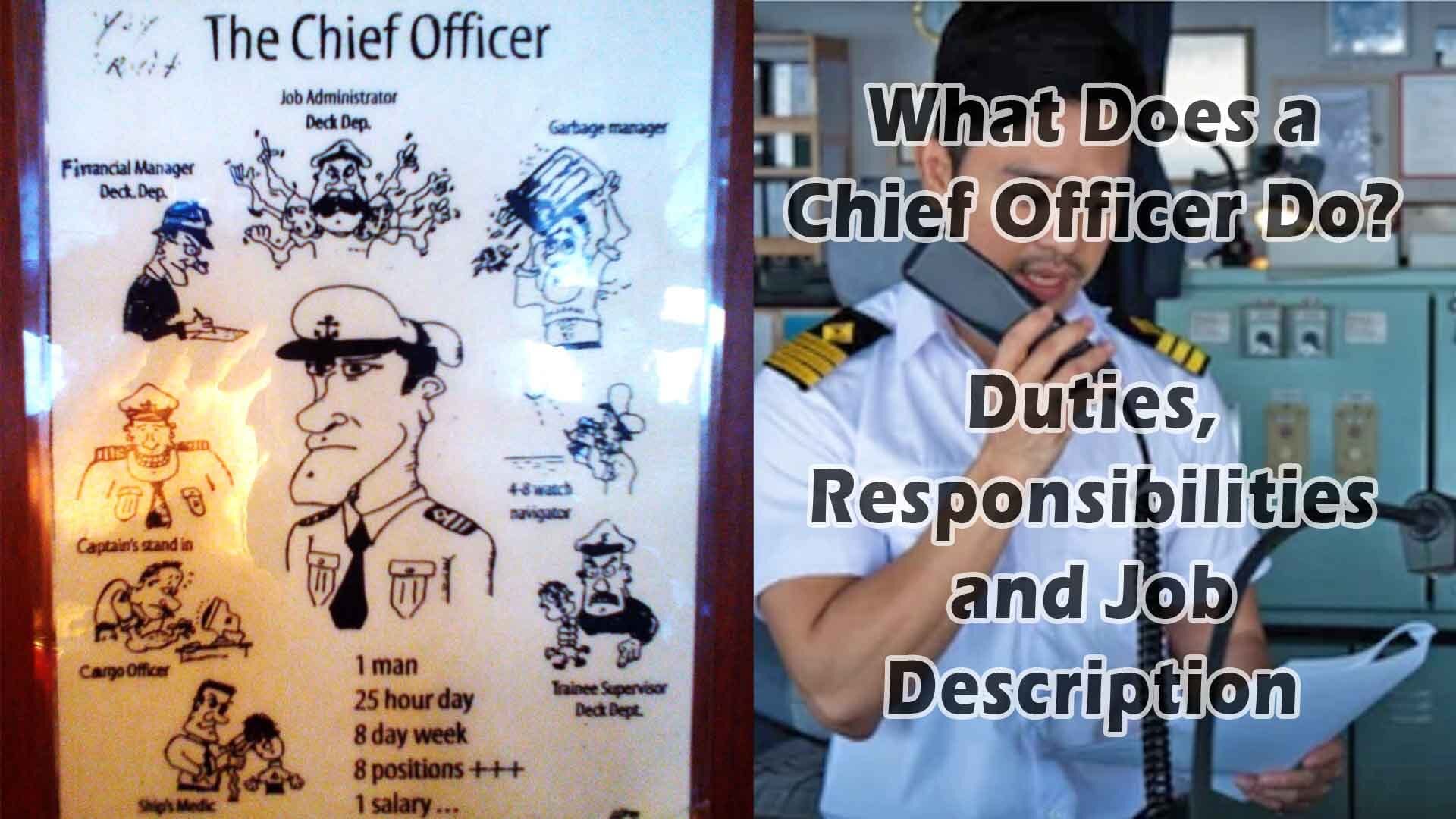
The Chief Mate, also known as the Chief Officer or First Mate, is the second-highest-ranking officer on a merchant vessel, reporting directly to the Master.
As the head of the Deck Department, the Chief Mate plays a critical leadership role in the safe and efficient operation of the ship.
He deputizes for the Captain during the Master’s absence or incapacitation, making this position essential in both day-to-day operations and emergencies.
While the Master is ultimately responsible for the vessel, the Chief Mate often handles more operational tasks, acting as the implementation arm of the ship’s command.
Though “First Mate” and “First Officer” are alternative terms, “Chief Mate” is the most commonly used designation in the merchant marine.
🧠 The Chief Mate’s Role in Shipboard Management
The Chief Mate is one of the “Big Four” officers on board, alongside the Master, Chief Engineer, and Second Engineer.
These senior officers belong to the management level under STCW standards and are responsible for:
- Decision-making and planning
- Supervising operational execution
- Overseeing safety and compliance
- Leading emergency response
This rank demands leadership, technical proficiency, and administrative capability, making it one of the most challenging yet rewarding positions at sea.
💰 Chief Mate Salary Range (2025)
The salary of a Chief Mate depends on multiple variables, including:
- Type of vessel (e.g., tanker, container, bulk carrier)
- Shipping company policies
- Nationality and union agreements
- Voyage type (international vs. domestic)
⚠️ Estimated Monthly Salary: USD 6,000 to 12,000
Higher salaries typically correlate with larger vessels and complex cargo operations (e.g., LNG or chemical tankers).
However, with this compensation comes a heavy workload and intense responsibility.
📋 Overview of Chief Mate Duties and Responsibilities
The Chief Mate is responsible for a wide range of tasks under the STCW Code (Section A-II/2) and company-specific safety management systems.
While duties may vary slightly between vessels, the core responsibilities generally include:
- Cargo operations and stability
- Deck maintenance and inspections
- Bridge watchkeeping (if applicable)
- Safety, health, and environmental protection
- Crew training and supervision
- Emergency preparedness
- Administrative and documentation tasks
Let’s break these down in the following sections.
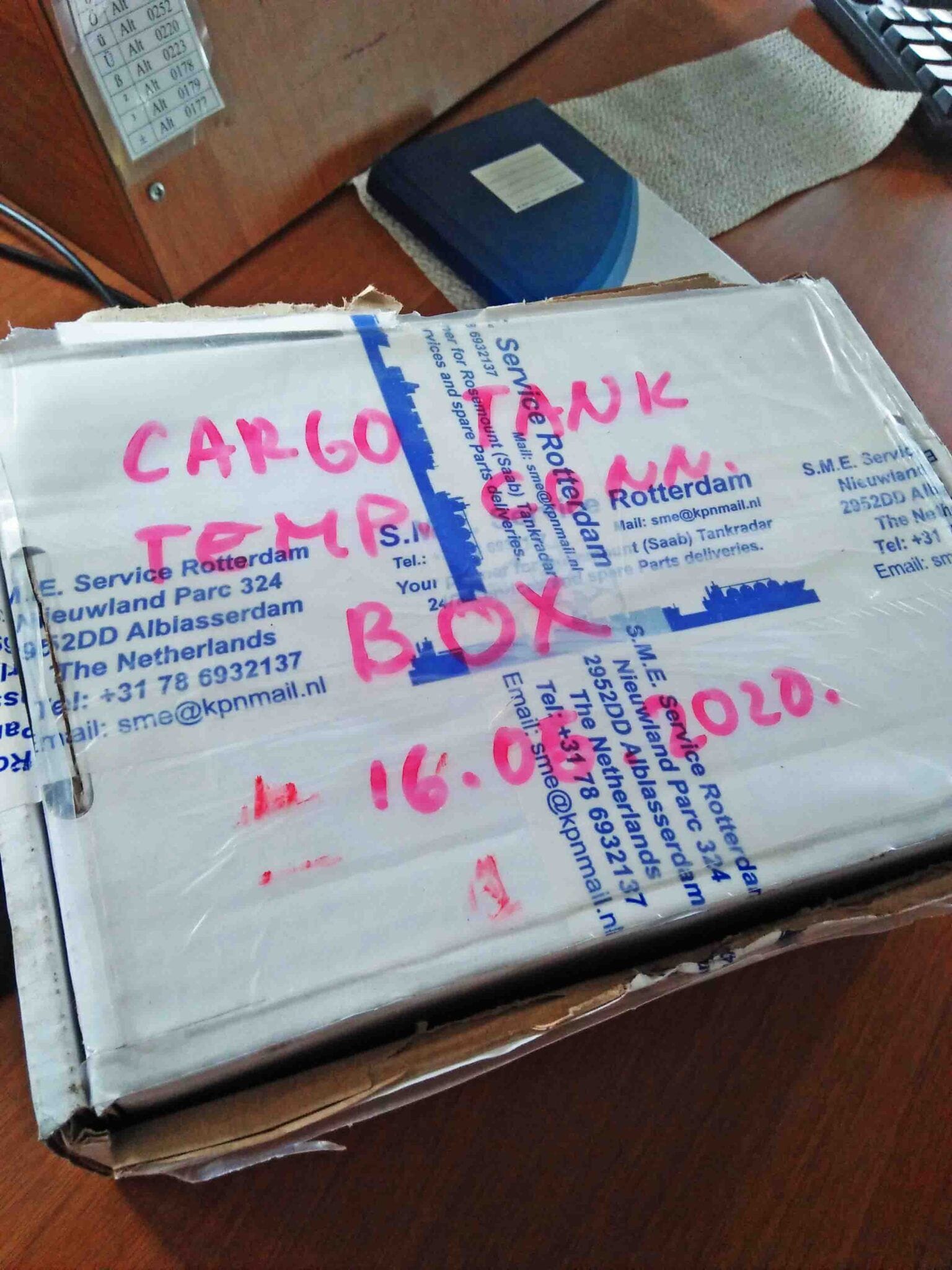
⚙️ Key Duties and Responsibilities of a Chief Mate
The Chief Mate oversees the entire Deck Department and reports directly to the Master.
His responsibilities span from cargo handling and vessel maintenance to administrative work and safety compliance.
Below are the core areas of a Chief Mate’s job, organized into key operational categories.
🏗️ 1. Cargo Operations
Cargo handling is one of the most critical duties of the Chief Mate.
He is directly responsible for planning and executing safe, efficient, and regulation-compliant cargo activities.
Typical responsibilities include:
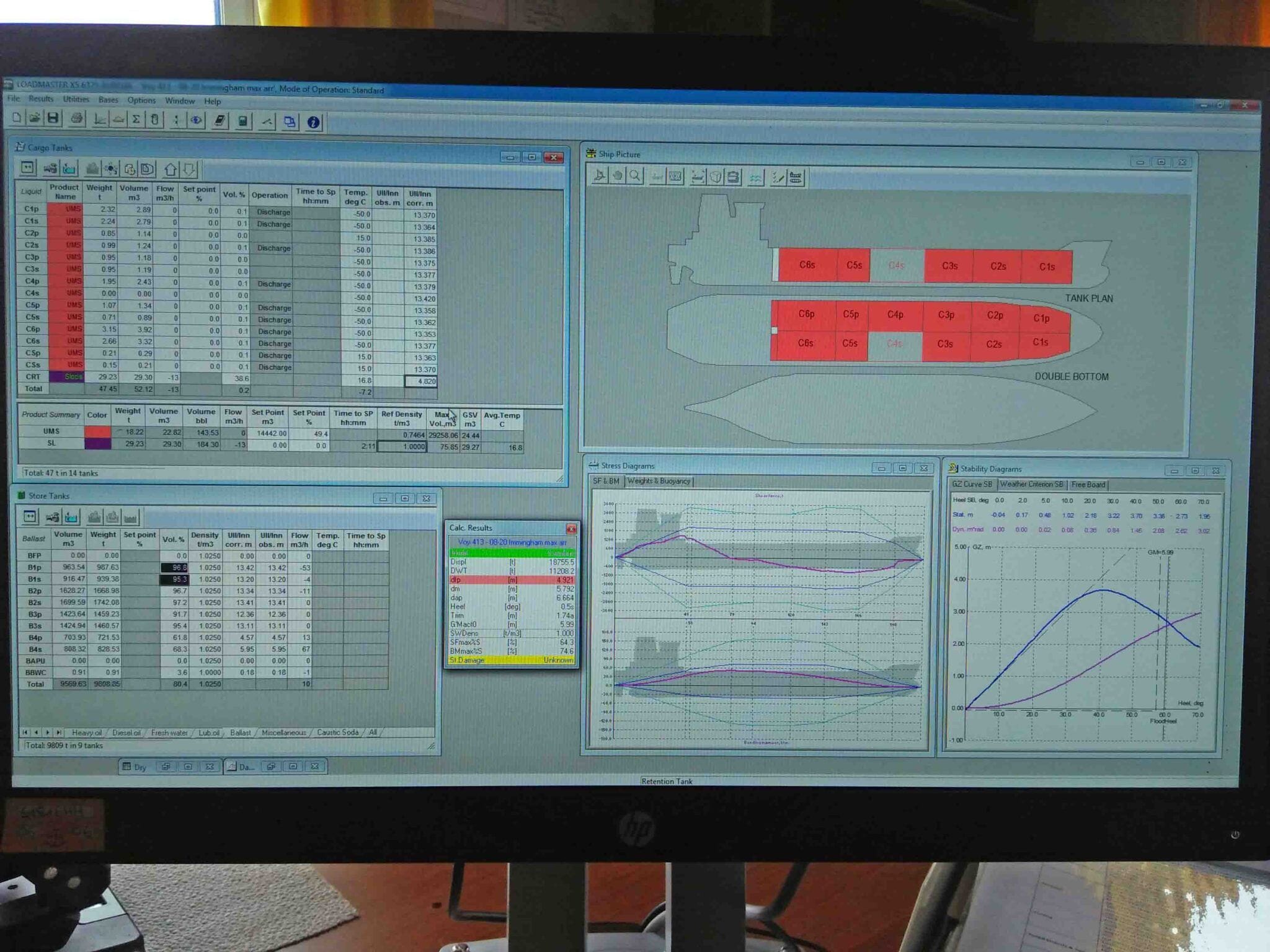
- ⚖️ Stowage Planning: Ensuring proper loading plans that maintain vessel stability, minimize stress, and meet draft limitations.
- 🛢️ Loading/Discharging Operations: Supervising or delegating the handling of cargo in compliance with international codes (e.g., IMDG, MARPOL).
- 🧼 Tank or Hold Preparation: Includes cleaning, washing, gas-freeing, and inerting operations (especially on tankers).
- 🌊 Ballasting/De-ballasting: Coordinating ballast operations to maintain trim and stability.
- 🧯 Pollution Control: Operating and monitoring cargo and pollution prevention equipment.
- 📘 Documentation: Maintaining the Oil Record Book Part II and related cargo records for inspections.
🧰 2. Deck Maintenance and Condition Monitoring
Under the vessel’s Planned Maintenance System (PMS), the Chief Mate ensures that the ship’s structural, navigational, and safety equipment are well-maintained.
Key tasks include:
- 🧽 Overseeing the cosmetic upkeep and cleanliness of the vessel.
- 🧴 Supervising deck machinery and mooring equipment maintenance.
- 🛠️ Delegating daily maintenance jobs to the Bosun and deck crew.
The Chief Mate is also responsible for periodic inspections, ensuring the vessel complies with SOLAS and company-specific safety checklists.
🗂️ 3. Administrative and Record-Keeping Duties
Administrative tasks often occupy a large portion of a Chief Mate’s working hours, especially near port calls or audits.
His administrative duties include:
- 📦 Requisitioning deck and safety stores, tools, and spare parts.
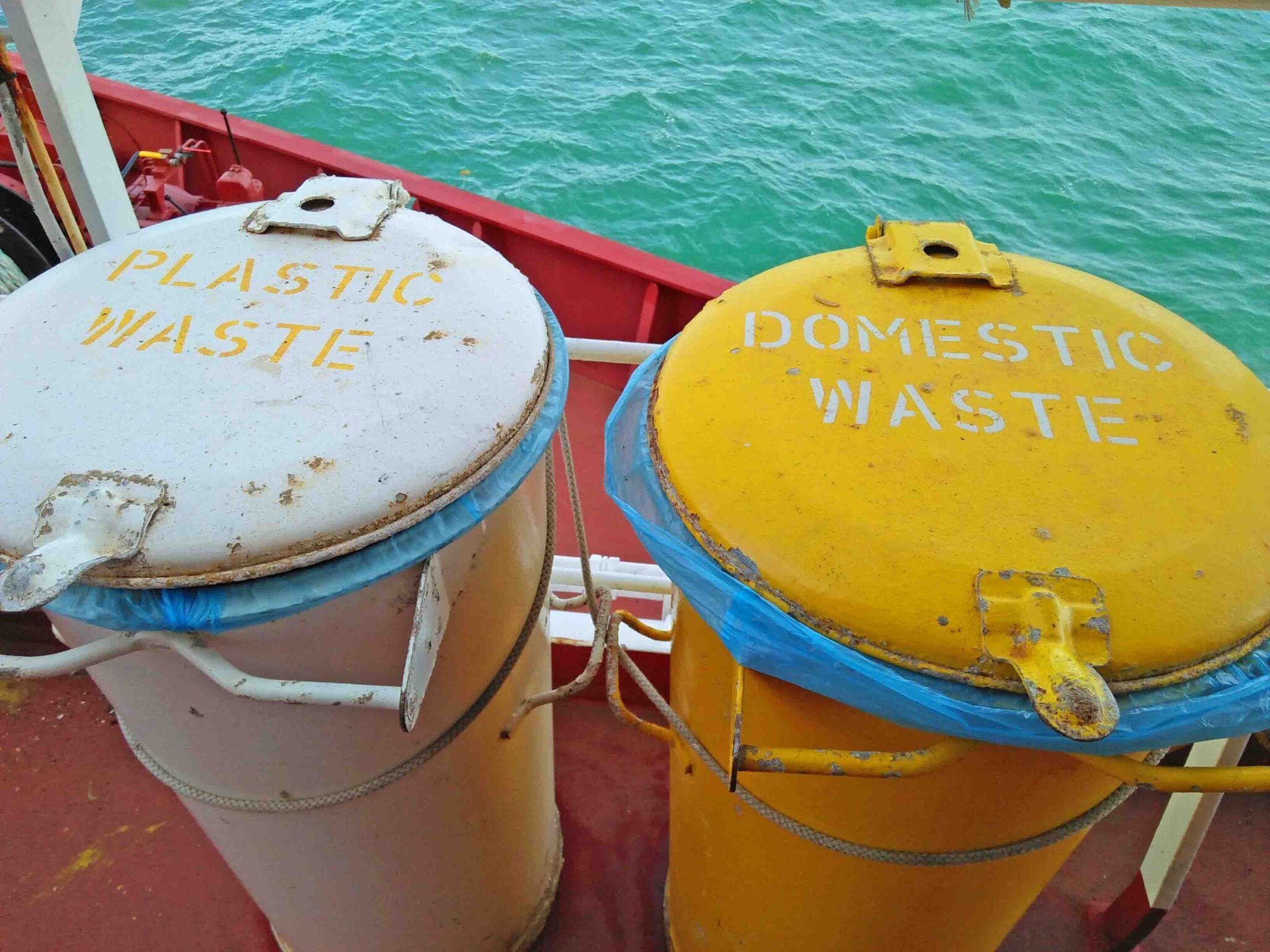
- 📑 Recording cargo/ballast operations, safety drills, garbage disposal, and deck maintenance.
- 🕒 Monitoring rest hours and overtime as per ILO and STCW requirements.
- 🗃️ Keeping ship office and cargo control room documentation organized and up to date.
Though often overlooked, this role is crucial during PSC inspections and company audits.
📚 4. Safety, Pollution Prevention, and Crew Training
The Chief Mate is a key figure in onboard safety management, emergency preparedness, and environmental protection.
He is expected to lead by example and ensure crew competence in using safety equipment.
Responsibilities include:
- 🧪 Training the crew in using gas detectors, SCBAs, lifeboats, fire hoses, and other critical equipment.
- 🧹 Ensuring good housekeeping in deck, accommodation, storerooms, and public areas.
- 🩺 Managing the medical chest and administering first-aid when necessary.
- 🧯 Supervising the maintenance of all firefighting and life-saving appliances.
- 🛡️ Acting as the designated Ship Security Officer (SSO) when assigned.
The Chief Mate ensures ongoing drills, safety meetings, and crew familiarization with the vessel’s emergency procedures, as required by the ISM Code.
🕓 5. Bridge Watchkeeping Duties
While many ships assign three junior officers to keep navigational watch, the Chief Mate may still perform bridge watchkeeping– especially on smaller vessels or during critical operations.
Chief Mate watchkeeping responsibilities:
- 🧭 Standing the 0400–0800 and 1600–2000 watch when required.
- 🧃 Following COLREGs (Collision Regulations), company standing orders, and the ICS Bridge Procedures Guide.
- ⚓ Supervising mooring/unmooring and anchoring operations (stationed at the forecastle).
- 🌉 Being present on the bridge during arrival, departure, or in restricted waters (even when not on watch).
- 🧑✈️ Participating in bridge operations as part of command training, especially if holding a Master’s license.
Even when not regularly on watch, Chief Mates are expected to conduct periodic navigational watches to maintain familiarity with ECDIS, radar plotting, and bridge equipment.
🚨 6. Emergency Duties and Shipboard Contingencies
The Chief Mate is a key emergency response leader as outlined in the Shipboard Emergency Manual (SEM), SOPEP, SMPEP, and Vessel Response Plan (VRP).
Emergency assignments typically include:
- 🔥 Fire: Leading the fire team if the emergency occurs in the accommodation or deck areas.
- 🆘 Man Overboard: Supervising the rescue boat launching and recovery process.
- 🚢 Abandon Ship: Acting as the lifeboat release officer, ensuring safe and timely evacuation.
- 🚑 Medical Emergency: Providing first-aid and organizing further medical assistance.
The Chief Mate must know the emergency station bill and ensure that drills are conducted and documented as per SOLAS and company policy.
📘 7. Other Duties and Compliance Requirements
Beyond daily and emergency duties, the Chief Mate must stay updated with all relevant regulations, company procedures, and maritime publications.
Additional responsibilities include:
- 📚 Studying and implementing company Safety Management System (SMS) procedures.
- 🌍 Familiarizing with international codes and conventions (STCW, SOLAS, ISM, ISPS, MLC, IMDG).
- 🏥 Managing the ship’s hospital and medical records unless delegated by the Master.
- 📖 Training cadets or junior officers and contributing to their career development.
The Master may also assign additional tasks as needed to ensure vessel safety, crew welfare, and operational efficiency.
❓ FAQ: Chief Mate Responsibilities and Salary
🔹 What is the main role of a Chief Mate?
To oversee cargo operations, deck maintenance, safety systems, and act as second-in-command to the Master.
🔹 Is a Chief Mate also a First Officer?
Yes. “Chief Mate,” “Chief Officer,” and “First Mate” are interchangeable titles, especially in merchant shipping.
🔹 How much is a Chief Mate’s salary in 2025?
It ranges between USD 6,000 and 12,000 per month, depending on vessel type, company, and nationality.
🔹 Does a Chief Mate stand navigational watch?
Yes, when required especially during arrivals, departures, or in special operations. On many vessels, he works as a dayworker with no routine watch.
🔹 Is a Chief Mate responsible for safety?
Absolutely. He leads safety drills, trains the crew, maintains life-saving equipment, and acts as SSO when designated.
⚓ Conclusion: A Leadership Role With Great Responsibility
The Chief Mate is one of the most demanding yet vital ranks on board.
From cargo control and crew leadership to safety compliance and emergency response, he wears multiple hats often all in a single day.
Despite the long hours and heavy workload, the role is a stepping stone to becoming a Master Mariner.
It requires strong leadership, technical competence, and administrative efficiency.
🚢 Whether you’re aspiring to become a Chief Mate or working under one, understanding the scope of this role is essential to succeeding in the maritime industry.
May the winds be in your favor.


Leave a Reply