



Tugboats may not grab headlines like giant container ships or cruise liners but these compact powerhouses are the unsung heroes of modern shipping.
From guiding tankers through narrow ports to performing offshore rescues, tugboats play an indispensable role in maritime safety and logistics.
Despite their size, some tugboats cost over $20 million to build. Why?
Because they are highly specialized marine support vessels built not for glamour, but for raw strength, maneuverability, and versatility.
In this guide, you’ll discover the different types of tugboats, their unique functions, propulsion systems, and why they remain essential for global seaborne trade. ⚓
⚙️ What Is a Tugboat?
A tugboat is a small but powerful vessel designed to push, pull, or tow ships that cannot safely maneuver on their own, especially in congested harbors or restricted waterways.
These support vessels use extreme force- called bollard pull, to help mega ships dock, undock, turn, or transit narrow channels.
🧠 Definition: A tugboat is a high-powered workboat used to maneuver larger vessels by towing, pushing, or guiding them with precision.
Why Are Tugboats Needed?
Large ships like VLCCs, cruise liners, and container vessels are built for stability in the open sea.
But their limited maneuverability makes docking in port risky without assistance especially when currents, wind, or traffic are involved.
This is where tugboats come in.
Key Functions of Tugboats:
- 👨✈️ Supporting anchor handling and offshore platform moves
- ⚓ Assisting ships during berthing/unberthing
- 🚨 Emergency towing and salvage operations
- 🔥 Firefighting using onboard water cannons
- ❄️ Icebreaking duties in cold regions
- 💪 Transporting dumb barges and cargo within harbors
📡 How Tugboats Operate with Larger Ships
Tugboats don’t work solo. They coordinate closely with a marine pilot aboard the larger vessel.
The pilot has a full overview of the situation and gives real-time commands to tugs via VHF or handheld radio.
Since tugboats sit low in the water, they lack visibility over the ship’s full structure. But they make up for it with:
- Rapid response times
- High-thrust maneuvering
- Real-time thrust control via winches and engines
Think of tugboats as the ship’s muscle and brakes while the pilot is the brain behind the maneuver!

💪 Why Are Tugboats So Powerful?
Tugboats are built for brute strength, not speed.
Their primary job is to generate immense force to move, turn, or stop vessels that are hundreds of times their size.
But how do they manage such incredible pulling power?
1. 🛠️ High-Powered Tugboat Engines
Most tugboats are powered by twin diesel engines, each capable of generating several thousand kilowatts of thrust.
Unlike merchant ship engines optimized for long-distance cruising, tug engines are tuned for short bursts of extreme power.
🔍 Key Term – Bollard Pull (BP):
The standard measure of a tugboat’s towing power.
Example: A strong harbor tug may have a bollard pull of 60 to 100 tons, while ultra-powerful offshore tugs like the Island Victory can reach 474 tons.
These engines are so strong that they can rival locomotive-grade performance.
To avoid damaging the assisted ship’s fittings (like bitts, fairleads, and chocks), tugboats often have sensors connected to winches that adjust their pulling power in real-time.
2. ⚓ Specialized Hull Design
Tugboats may look small and stubby but beneath the waterline, they are designed for maximum traction and maneuverability.
- 🌀 A large portion of the hull is submerged, which increases water contact and enhances propeller thrust.
- 🔁 When the engines are engaged, tugs tend to “sink” further, giving more grip in the water, essential for towing.
- ⚡ Despite slow top speeds (~6–14 knots), their low-profile hulls let them apply immediate torque, turning ships with precision even in tight spaces.
Tugboats can spin 360° in place, a feature extremely useful for docking large ships in congested terminals.
3. 🔩 Indestructible Towing Winches
Without heavy-duty winches, a tug’s power is useless.
Modern tugboats are fitted with fully automated, 360°-rotating winches built to handle tons of line tension without failure.
Unlike ship fittings that may deform under pressure, tug winches are known for their extreme durability.
🧠 Fun Fact: Most towing accidents damage the towline or bollards, not the winches!
The combination of strong winches, real-time sensors, and reinforced deck fittings makes tugs the most rugged vessels per tonnage in the maritime industry.
🛠️ Example: The Island Victory, one of the most powerful tugs in the world, delivers over 474 tons of bollard pull with 8,000kW engine capacity.
🧰 Summary: What Gives Tugboats Their Power?
| Tug Component | Function |
|---|---|
| Diesel Engines | Delivers massive torque and thrust |
| Hull Design | Increases underwater traction and maneuverability |
| Winches | Provides durable, dynamic control during towing |
These three elements form the core architecture of any tugboat whether operating in ports, offshore platforms, or emergency salvage zones.

🎯 What Is the Purpose of a Tugboat?
Tugboats are more than just helpers for docking ships.
Their diverse capabilities make them critical to maritime safety, logistics, and emergency response.
Here’s a breakdown of key tugboat functions:
🔥 1. Firefighting Support
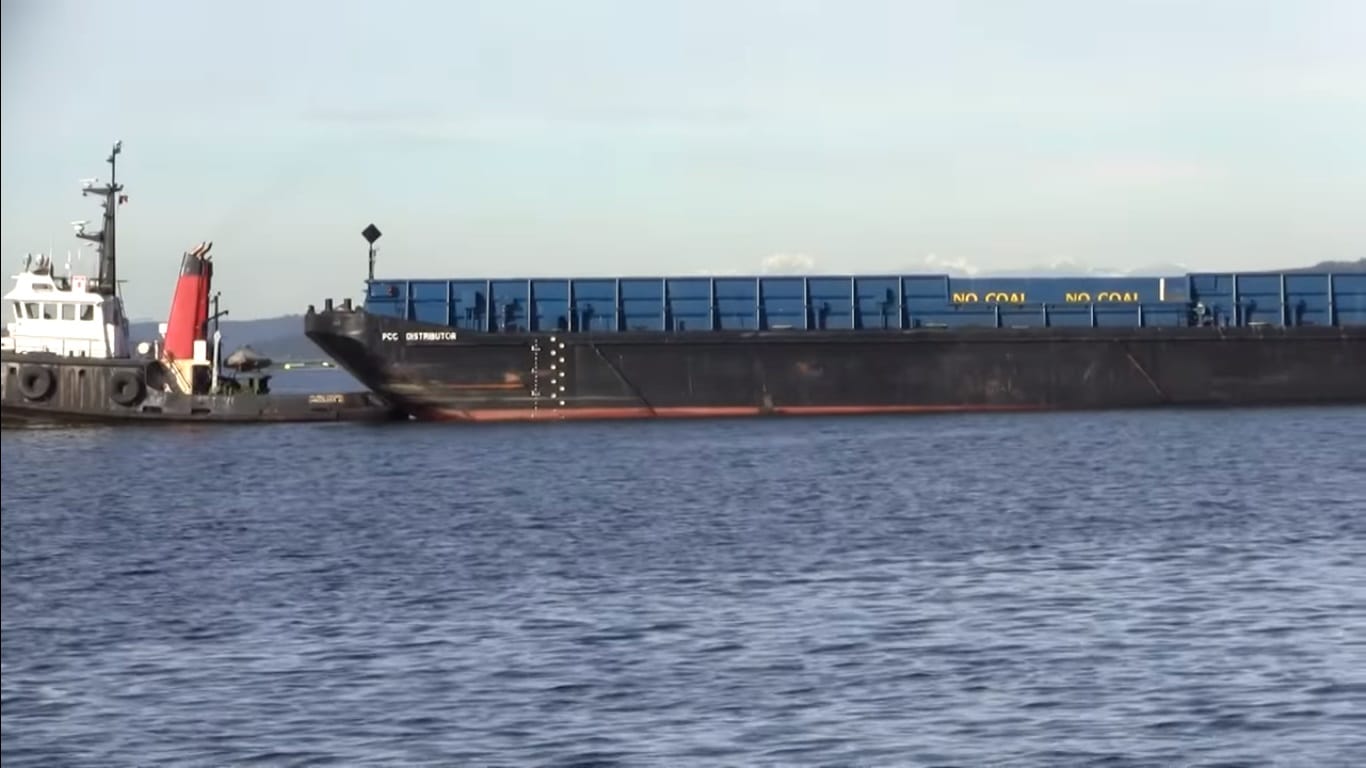
Tugboats are equipped with high-capacity water cannons that can fight fires on ships, port facilities, or oil rigs.
They use seawater as a direct extinguishing medium, giving them an endless supply in emergencies.
⚓ 2. Ship Maneuvering in Ports
Their most common job: assisting large vessels during berthing, unberthing, and turning in tight areas where main engines and thrusters aren’t enough.
🆘 3. Emergency Towing and Salvage
Tugs respond to disabled ships, especially in congested sea lanes or after machinery failures.
Rescue tugs (salvage tugs) are equipped for open-sea towing and grounding recovery.
🧊 4. Icebreaking
In polar ports, tugs with reinforced bows and ice-rated hulls break surface ice to allow safer navigation for merchant vessels.
📦 5. Transporting Dumb Barges
Dumb barges (non-self-propelled) are used to transport bulk cargo like sand, timber, or construction equipment.
Tugboats tow or push these floating platforms from port to port.
🔄 6. Multipurpose Operations
Modern tugs can be built as multi-role vessels, able to perform escorting, towing, firefighting, salvage, and even offshore supply duties.
🛥️ What Are the Main Types of Tugboats?
Tugboats are categorized based on their operational roles and design capabilities.
Each type is optimized for specific maritime environments- from harbor maneuvering to deep-sea towing.
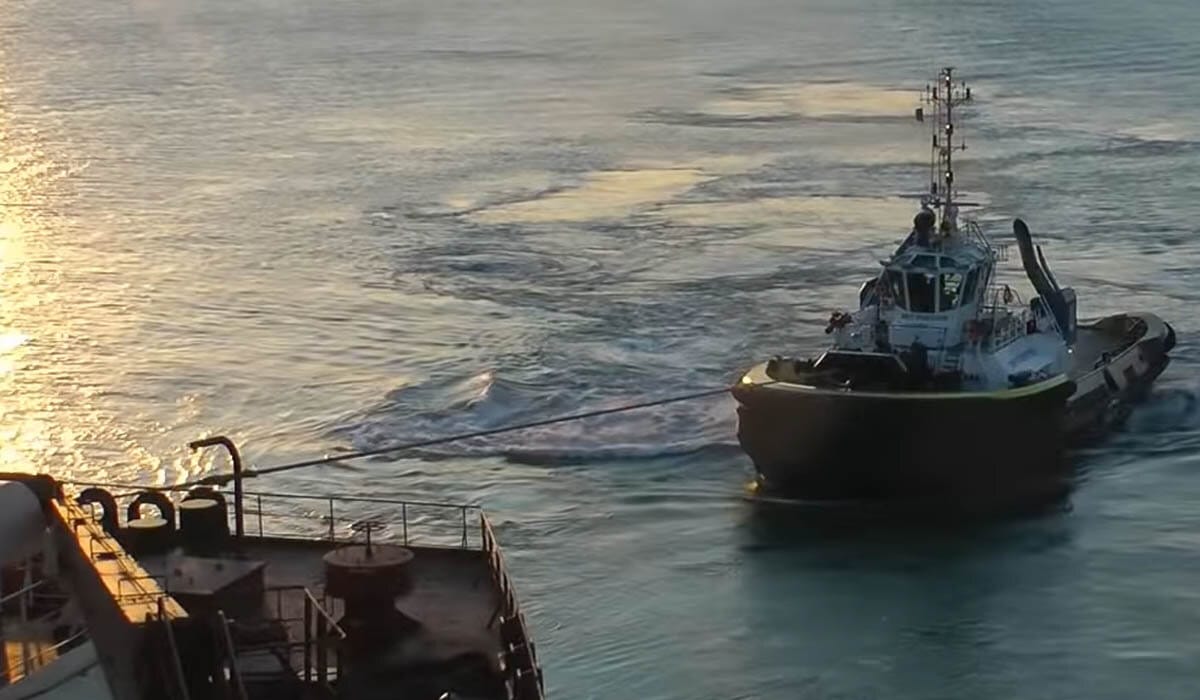
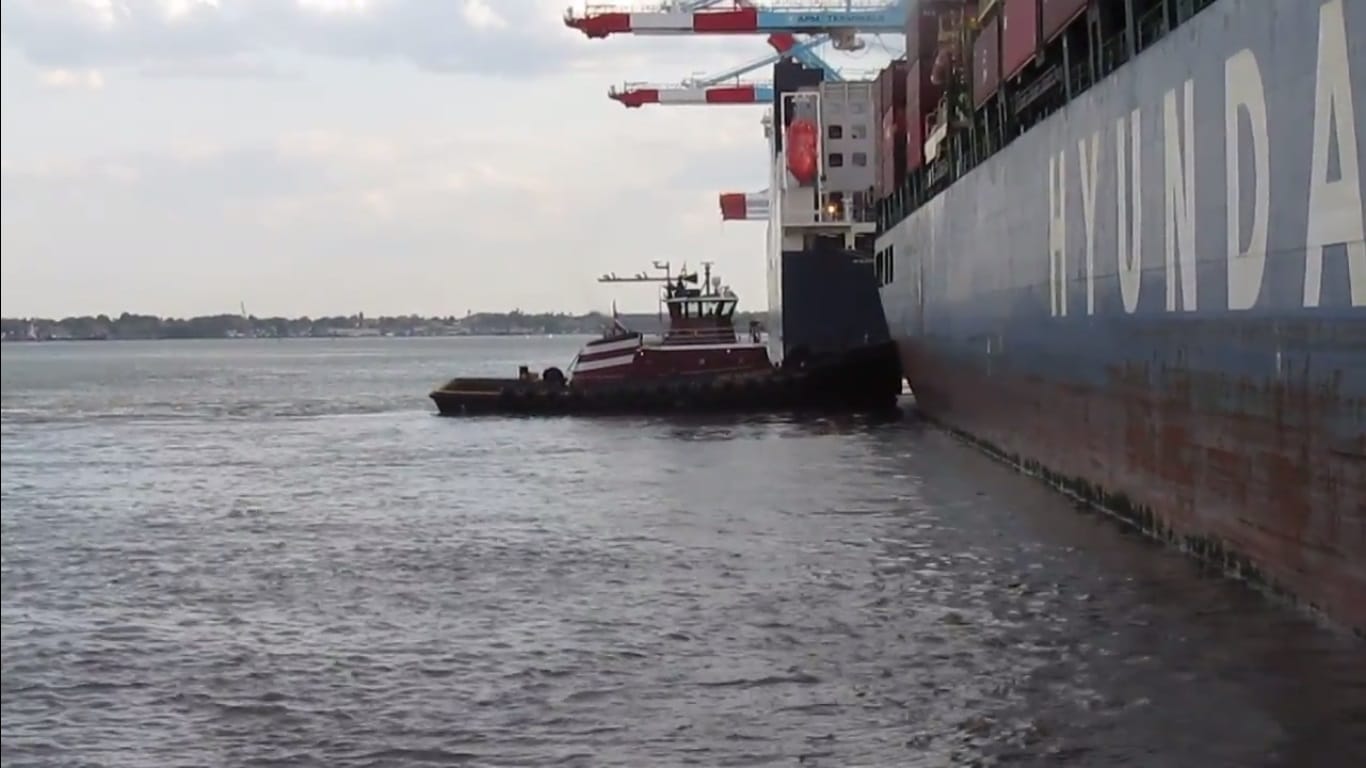
1. 🏗️ Harbor Tugboats (Port Tugs)
These compact and agile tugs operate within ports and terminals, handling docking, undocking, and cargo barge towing.
Common tasks:
- Mooring assistance for tankers, container ships, and cruise vessels
- Pushing/pulling dumb barges carrying goods inland
- Port-side firefighting
🔧 Notable Feature: Harbor tugs often have dual towing positions (fore and aft) for greater versatility in confined waters.
2. ⛴ Escort Tugboats
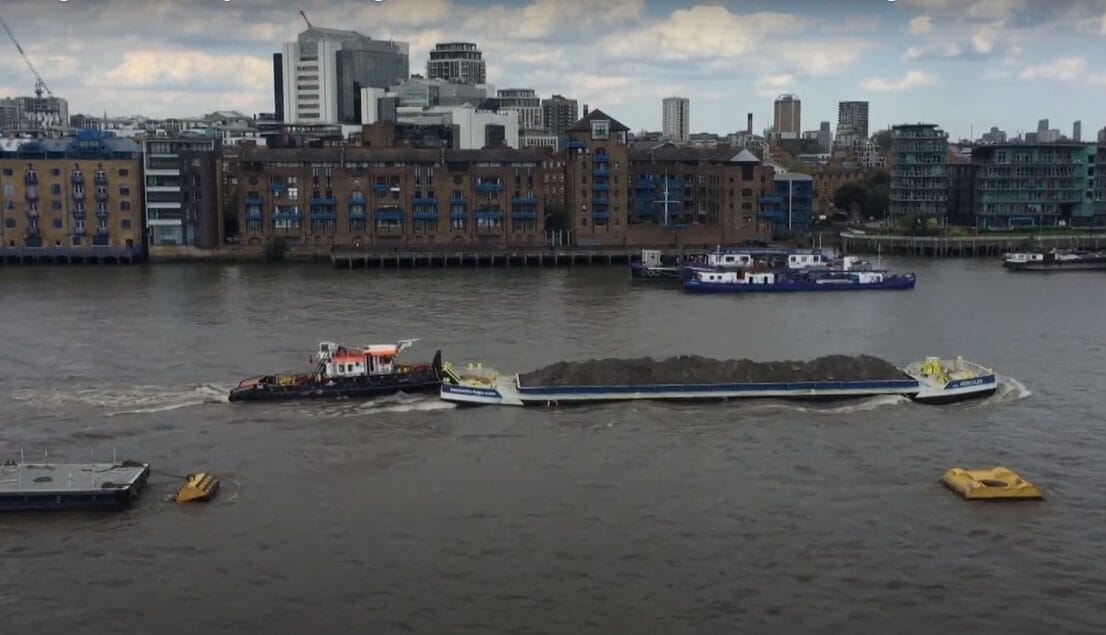
Escort tugs provide safety support for large vessels transiting narrow channels or approaching terminals.
They are made fast to the stern of the ship and can function as:
- 🛑 Emergency brakes during ship swing or engine failure
- 🧭 Emergency rudders for directional control
These tugs are powerful, fast, and work in high-risk zones like Suez, Panama Canal, or congested Asian ports.
⚠️ With their deployment, port accident rates have significantly dropped.
3. 🌊 Seagoing Tugs (Ocean Tugs)
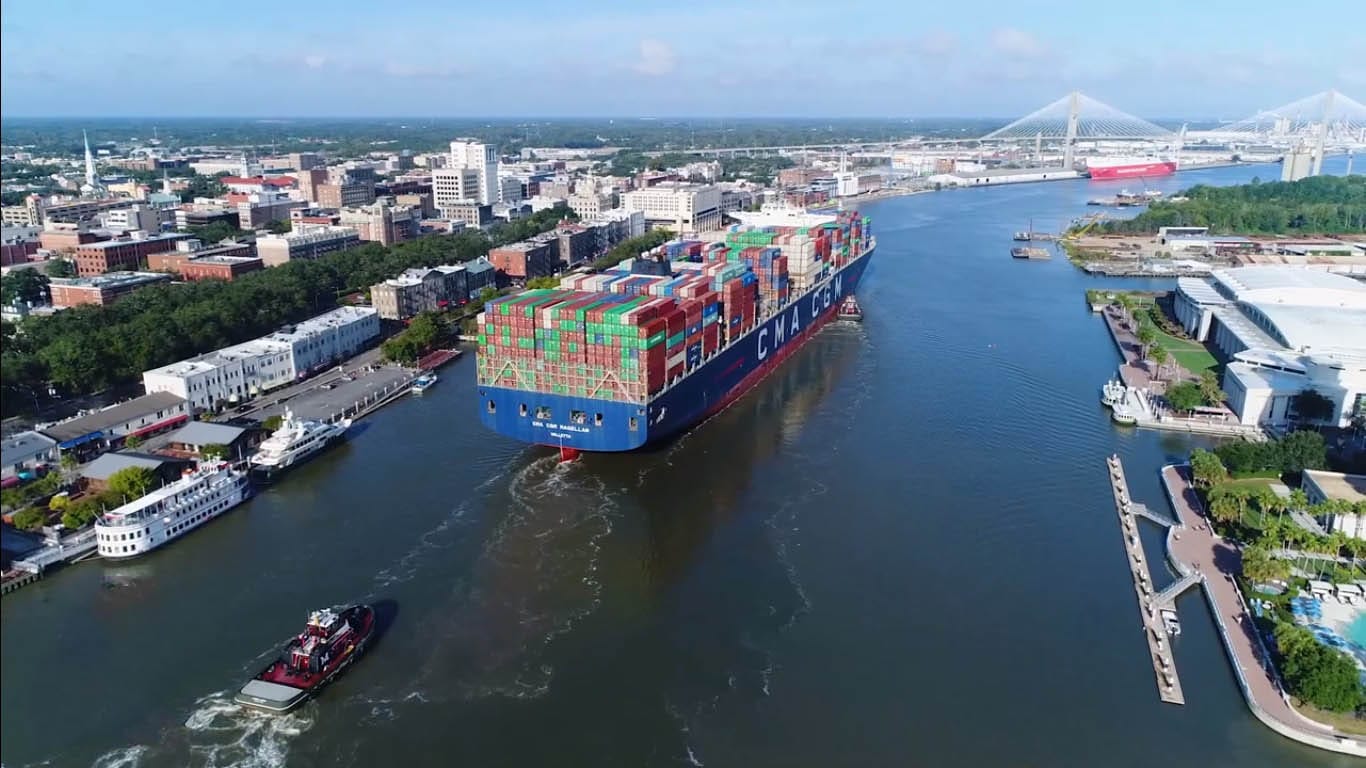
Also known as deep-sea tugs, these heavy-duty workhorses are capable of:
- Long-range towing across oceans
- Moving oil rigs, FPSOs, or massive drydocks
- Participating in international salvage operations
They’re larger, stronger, and built with higher crew capacity, advanced radar, and deep-sea navigation systems.
🚨 Subtype: Rescue or Salvage Tugs – always on standby for maritime incidents.
4. 🚜 Tractor Tugboats
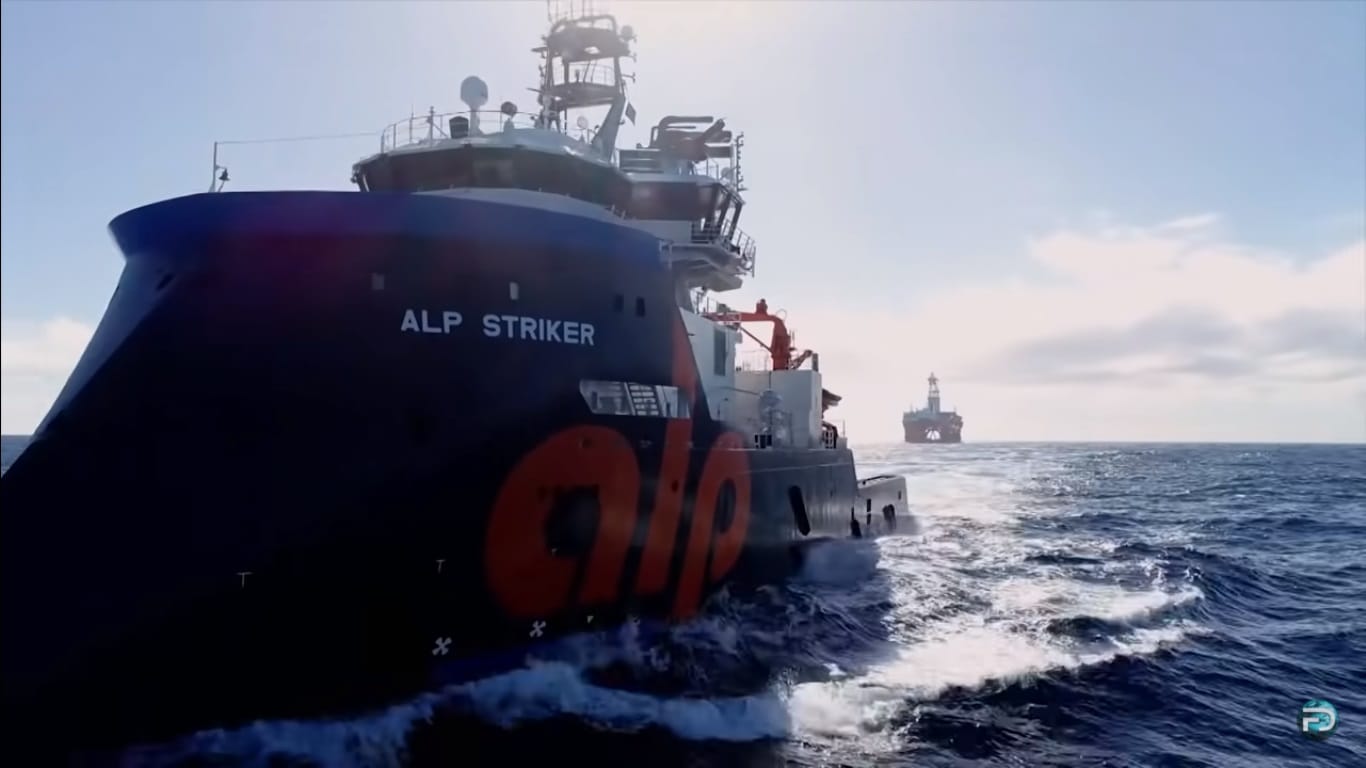
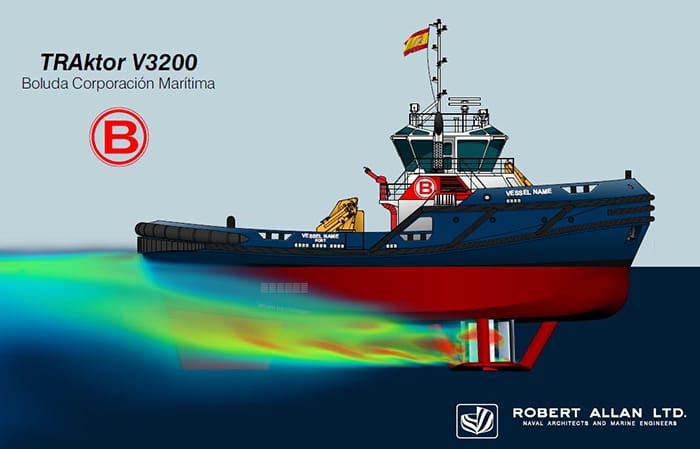
Tractor tugs are highly maneuverable vessels with specialized propulsion systems (usually Z-drives or Voith Schneider Propellers) located forward of the hull.
They’re used for:
- Docking and undocking large vessels in tight terminals
- Escort duties in dynamic or wind-exposed harbors
🔄 These tugs can move sideways, spin on the spot, or hold position in strong currents.
📌 Note: Reverse tractor tugs have propulsion units placed aft, offering a different handling profile.
📊 Tugboat Type Comparison
| Tugboat Type | Primary Role | Key Feature |
|---|---|---|
| Harbor Tug | Port maneuvering, barge towing | Dual towing points |
| Escort Tug | Navigation safety, emergency braking | Stern attachment, high maneuvering |
| Seagoing Tug | Offshore towing, salvage | Long-range, high crew complement |
| Tractor Tug | Tight-space maneuvering, escort | 360° propulsion systems |
⚙️ Tugboat Propulsion Systems Explained
Tugboats may look alike from above, but below the waterline, their propulsion systems differ dramatically.
These systems determine how a tug maneuvers, how much thrust it generates, and how quickly it can respond in critical situations.
⚠️ A tug’s pulling power is only as good as its propulsion system. Let’s explore the most common types.
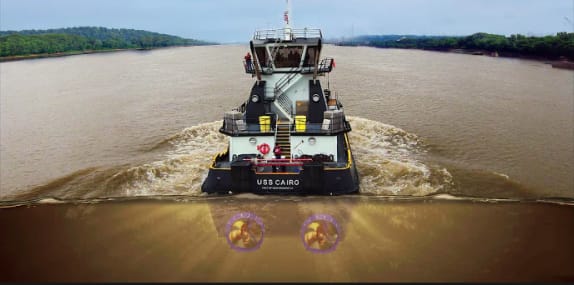
1. 🚢 Conventional Propeller System (Single-Screw or Twin-Screw)
This is the earliest and simplest form of tug propulsion.
A shaft connects the diesel engine to a propeller, which pushes water aft to create thrust.
🔧 Key Features:
- Durable and low-maintenance
- Suitable for long-range towing (common in older ocean-going tugs)
- Uses a rudder for directional control
⚠️ Limitations:
- Slower response during maneuvers
- Limited turning angles
- Requires engine reversal to go astern
📌 Used mostly in traditional tugboats and those operating in less confined environments.
2. 🔁 Azimuth Stern Drive (ASD or Z-Drive Tugboats)
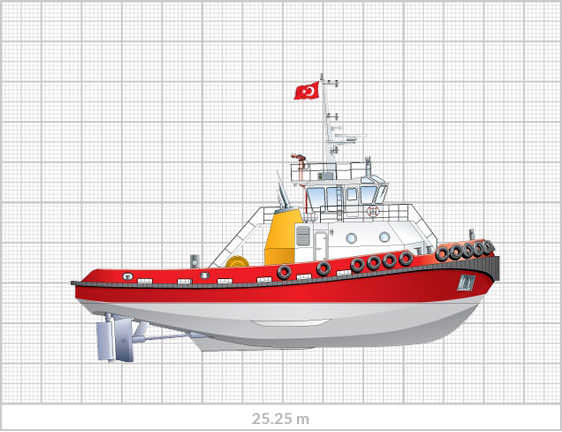
Azimuth Stern Drive (ASD) systems revolutionized tug maneuverability.
Each of the two propellers can rotate 360° around a vertical axis- no rudders required.
🧭 Z-drives give tugs instant omnidirectional thrust, ideal for tight harbor maneuvers.
🧰 Advantages:
- 360° thrust control
- Precise handling under pressure
- Ideal for harbor and escort tugs
- Often equipped with Kort nozzles to boost thrust
Deployment:
- ASD tugs are commonly used in modern ports and terminals handling mega-vessels.
🔍 Z-Drive Tug = Tugboat with independent azimuth thrusters aft, offering unmatched directional thrust.
3. ⚙️ Voith Schneider Propeller (VSP)
The Voith Schneider Propeller system is unique and highly advanced.
It uses vertical rotating blades set in a circular plate beneath the hull- able to change the angle of attack to create thrust in any direction.
💡 Highlights:
- Seamless transition from full ahead to full astern in just 3 seconds
- Perfect for instant sideways movement, counter-rotation, or holding position
- Ideal for operations in extremely tight spaces
🧠 This system is like a joystick for the sea- tugs can slide sideways without turning!
📌 Commonly found in tractor tugs used for dynamic escort and berthing operations.
🧪 Tugboat Propulsion Comparison
| Propulsion Type | Directional Control | Response Time | Best Use Case |
|---|---|---|---|
| Conventional Propeller | Rudder-Based | Moderate | Ocean towing, older tugs |
| Azimuth Stern Drive | 360° Thrust | Fast | Harbor/escort, terminal tugs |
| Voith Schneider | Instant Multi-Direction | Very Fast | Tractor tugs, tight-space ops |
📌 Why Propulsion Matters
A tug’s propulsion system directly affects:
- ⚡ Bollard Pull Output
- 🌀 Turning radius
- ⏱️ Emergency response time
- 🧭 Precision during docking or salvage
- 🔄 Ability to hold position or slide laterally
Choosing the right propulsion is not just about efficiency, it’s about mission success and safety.
👨✈️ Careers on Tugboats: Crew Roles and Salaries
Tugboats may be compact, but their operations require skilled professionals.
Depending on size and function, tugboats typically operate with a 4 to 6-person crew.
👥 Typical Tugboat Crew Structure:
- Captain (Master) – Commands the tug, oversees safety and operations.
- Chief Mate – Assists the captain, handles navigation and tugline operations.
- Chief Engineer – Maintains propulsion and power systems.
- Deckhand (AB or OS) – Manages mooring lines, deck maintenance, and assists with firefighting gear.
🔄 Crew rotations are usually short: 7 days on/off or 1–3 months depending on the tug type and employer.
💰 Tugboat Salary Overview (Monthly Averages):
| Rank | Estimated Monthly Salary |
|---|---|
| Deckhand | $1,000 – $2,400 |
| Chief Mate | $4,500 – $6,000 |
| Chief Engineer | $5,000 – $6,500 |
| Captain | $7,000 – $8,500+ |
💡 Salaries vary depending on vessel types, port location, country, and experience.
🚀 Why Tugboats Are Essential to Maritime Operations
Despite their small size, tugboats are the backbone of safe and efficient port operations.
Without them, massive ships would struggle to:
- Berth in tight terminals
- Navigate narrow waterways
- Respond to onboard fires
- Survive machinery failures offshore
From rescue to escorting, towage to firefighting, tugboats are truly the small titans of the sea.
🙋 Frequently Asked Questions (FAQ)
❓ What is the strongest tugboat in the world?
The Island Victory is one of the strongest, with over 474 tons of bollard pull and 8,000 kW of engine power.
❓ What does a tugboat do during docking?
Tugboats assist by pushing, pulling, or towing the vessel into position especially where engine or rudder control is limited.
❓ What propulsion system allows tugboats to move sideways?
The Voith Schneider Propeller (VSP) enables lateral movement without turning, ideal for precision docking.
❓ Are tugboats used for towing cargo?
Yes. Tugboats tow dumb barges, which are engine-less platforms used to transport bulk materials or oversized cargo.
❓ What’s the difference between harbor tugs and seagoing tugs?
- Harbor Tugs: Work inside ports; smaller and highly maneuverable.
- Seagoing Tugs: Designed for long-distance towing; larger and ocean-capable.
📣 Final Thoughts
Tugboats might not dominate the headlines, but they’re vital cogs in the global shipping machine.
Whether you’re a cadet, seasoned officer, or maritime enthusiast, understanding their roles deepens your appreciation for port operations and ship handling.
➡️ Want to explore more ship types or maneuvering aids?
Check out these next:
- How Echo Sounders Aid Seafarers in Navigation
- 8 Ways to Check the Gyro Error of Your Gyro Compass
- Buoyage System in U.S. Waters Not Found in IALA-MBS
May the winds be in your favor.
Leave a Reply