
Our Blog
-
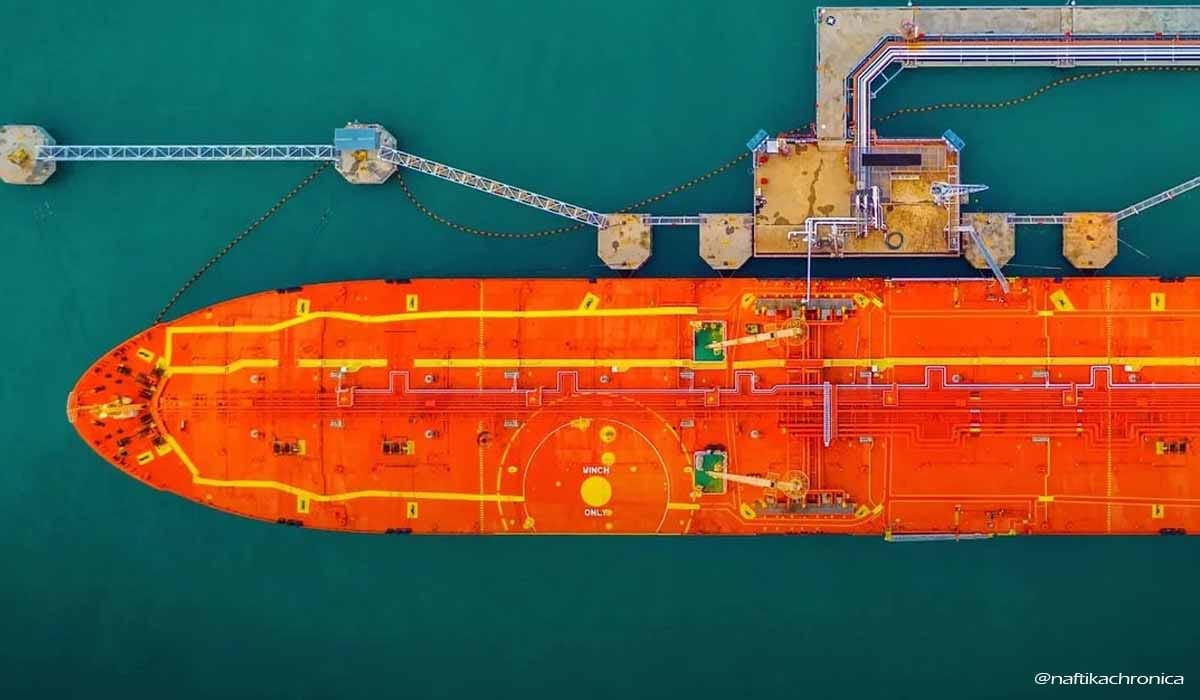
Safety Tips Before, During, & After Loading Operation on Tankers
A tanker ship’s loading operation is a carefully planned activity where the cargoes are transferred from the shore terminal to the vessel’s cargo tanks. It sounds simple and it actually does. But unbeknown to most, it involves many moving parts from preparation to the disconnection of cargo arms. A safe loading operation happens with careful…
-
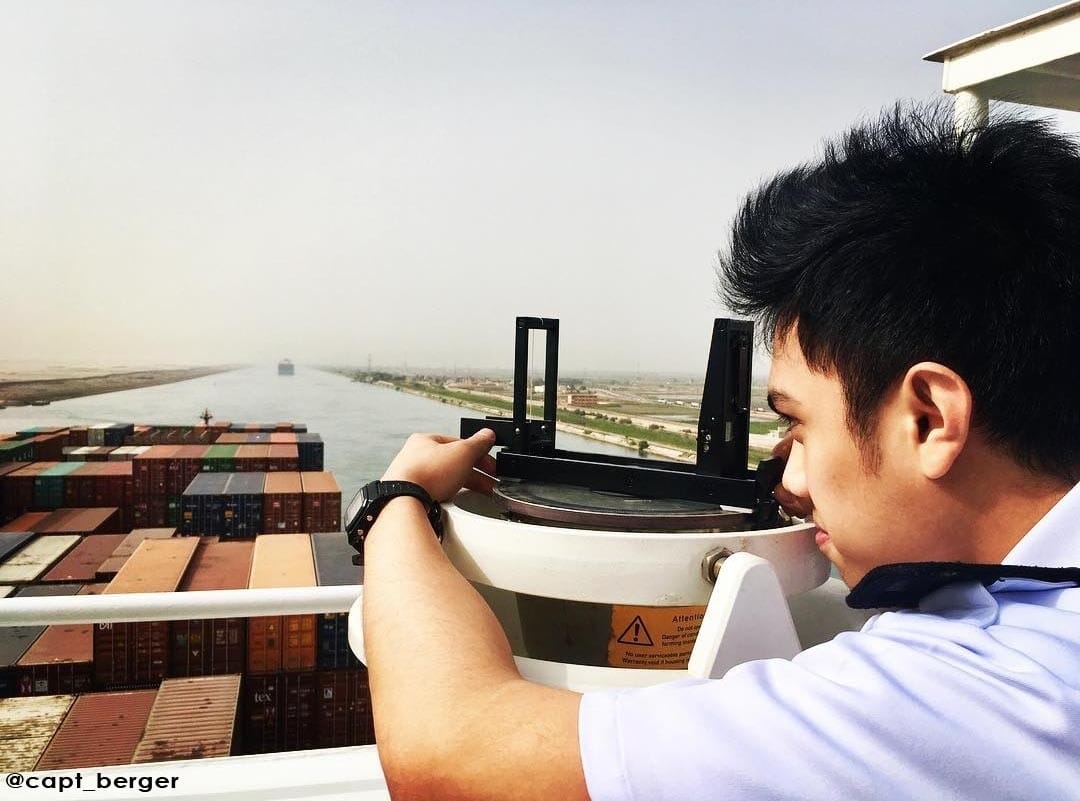
🧭 Marine Navigation Explained: Traditional & Modern Methods Used at Sea
Marine navigation has come a long way- from ancient mariners steering by the stars to today’s GPS-driven bridge systems. But despite the rise of sophisticated electronics, the fundamentals of navigation remain the same. Whether you’re commanding a fishing boat or a huge oil tanker, understanding the different types of marine navigation is essential to safety,…
-
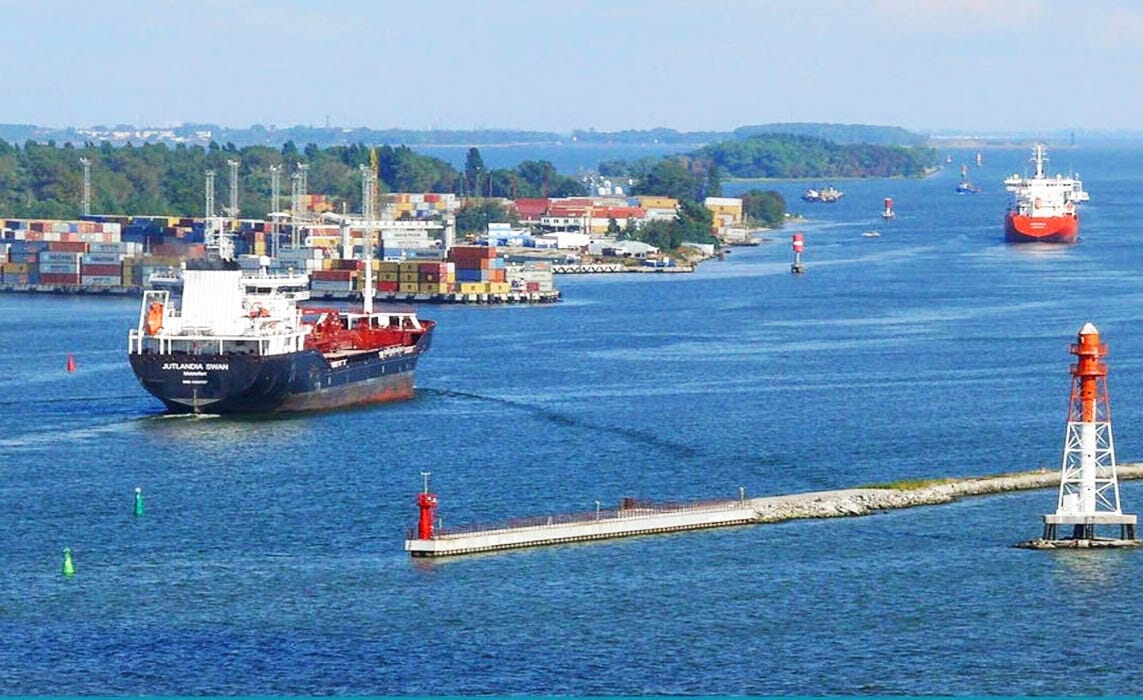
IALA Buoyage System Explained: Region A vs. B, Cardinal Buoys, and More!
The IALA Buoyage System is a standardized global system of Aids to Navigation (AtoN) developed by the International Organization for Marine Aids to Navigation (IALA), formerly the International Association of Marine Aids to Navigation and Lighthouse Authorities. It ensures vessels navigate safely through channels, avoid hazards, and enter or leave ports correctly. This system uses…
-

🌀 How Aneroid Barometers Work on Ships ⚓
An aneroid barometer is a precision instrument used to measure atmospheric pressure– the weight of the air above us. Onboard ships, it plays a vital role in weather forecasting and route planning. Unlike mercury barometers, the aneroid type contains no liquid, making it more suitable for marine environments. It provides real-time readings of barometric pressure…
-

🚢 Essential Parts of a Merchant Ship and Their Functions
All merchant ships, regardless of type, share a set of core structural components essential for navigation, propulsion, safety, and daily operations. Understanding these parts is fundamental for every seafarer, especially cadets and junior officers preparing for life at sea. This guide breaks down the most important ship parts and explains their functions based on real-world…
-

What is Beaching or Intentional Grounding & Why Do Ships Do It?
Imagine you are out to sea in a merchant vessel. The weather is fine and the tide is low. While enjoying the breeze, cruise, and booze, you notice that your draft is increasing! You scrambled the crew and after a few inspections, you discovered a hole in the side of the hull. You try pumping…
-
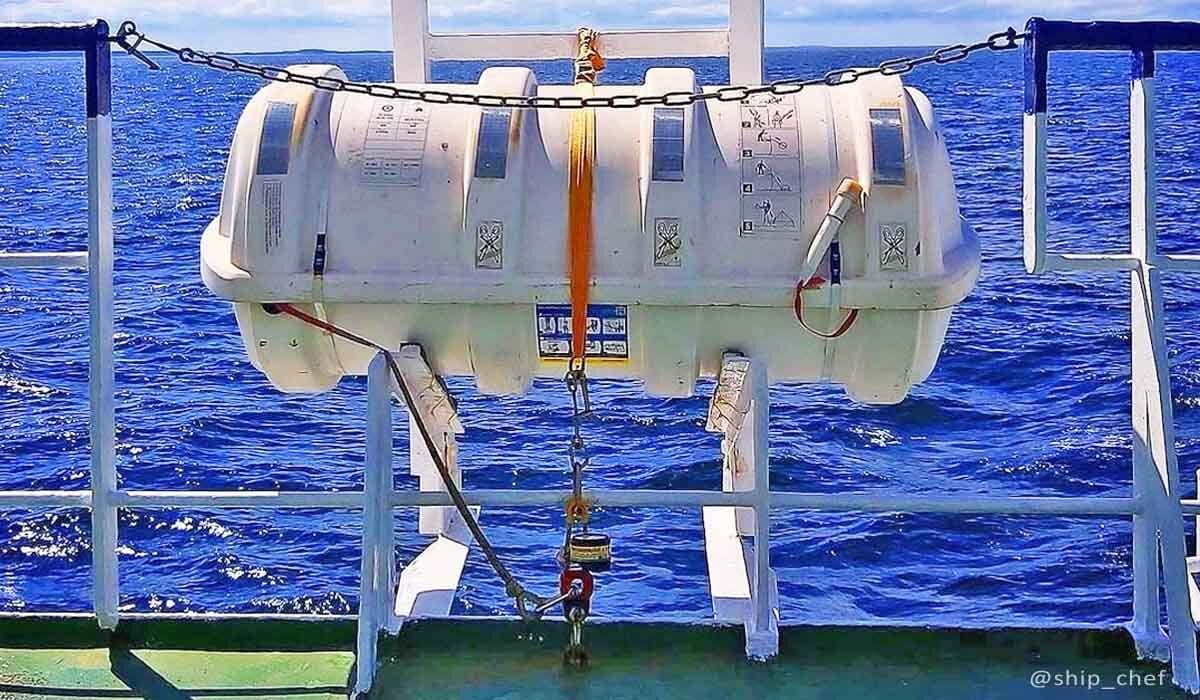
What is a Hydrostatic Release Unit & How Does it Work?
If you watched many ship-sinking movies before, you might have already indirectly seen a hydrostatic release unit in action. Movies or news about a sinking vessel sometimes mention liferafts, fully inflated but without anyone inside. You may already hear of rescuers finding a locating beacon, in this case, an EPIRB, but with nobody nearby. Sounds…
-
Sample Letters of Repatriation, Extension, & Early Vacation Requests You Can Use On Board
Writing letter requests is one of the many formalities seafarers will eventually face. For one, these letters can be put into black and white and sent to the company which signifies seriousness on your part rather than hanging onto spoken words and promises. The most common letters on board are Repatriation Letters, Extension Letters, and…
-

🛠️ Mastering Anchor Parts, Chain, and Windlass Arrangement
Anchoring is a vital shipboard operation that ensures vessel safety while holding position at sea or during mooring. A reliable anchoring system depends on the proper function of its parts- anchor, chain, windlass, and securing gear. Seafarers must be familiar with each component to perform pre-departure checks, conduct safe anchoring, and identify faults before they…
-

🚢 Second Officer Duties, Responsibilities, and Salary
A Second Officer, also known as a Second Mate or Navigational Officer, is a licensed deck officer primarily responsible for voyage planning, navigational watchkeeping, and the upkeep of navigational charts and publications. This rank is part of the ship’s deck department and holds the role of Officer in Charge of a Navigational Watch (OIC-NW) under…