


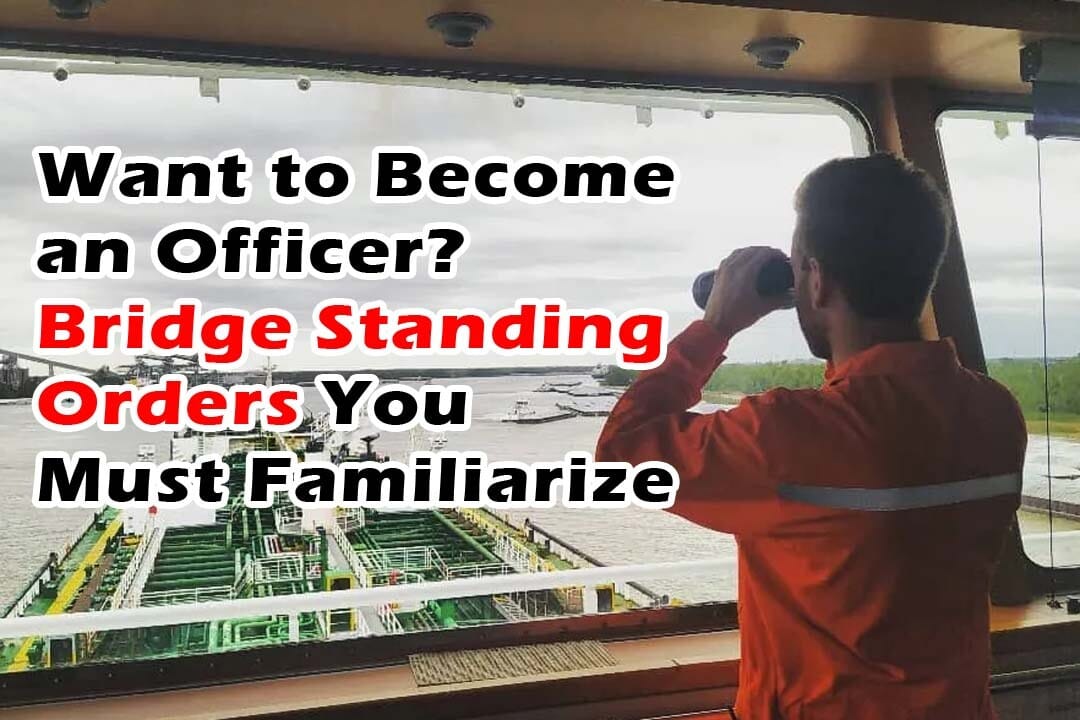
Bridge Standing Orders are mandatory guidelines every Officer of the Watch (OOW) must follow to ensure safe navigation and proper bridge discipline.
From routine watchkeeping to emergency situations like poor visibility or equipment failure, these orders guide decisions and reinforce the Master’s authority.
Whether you’re a cadet or a licensed officer, mastering these rules is essential for your career at sea.
📘 What Are Bridge Standing Orders?
Bridge Standing Orders (BSOs) are written directives issued by the company and supplemented by the ship’s Master.
They govern the conduct of the Officer of the Watch and other personnel while on the navigation bridge.
You’ll usually find these posted on the bridge in a dedicated frame or included in the ship’s navigation manual.
Their purpose is to:
- Promote situational awareness.
- Guide officers in routine and emergency navigation.
- Ensure compliance with COLREGs and company safety policies.
- Clarify how and when to notify the Master.
🧠 Insight: In many digitally-managed fleets, standing orders are part of electronic navigation systems and tied to Bridge Resource Management (BRM) protocols.
The OOW is responsible for knowing these orders by heart.
They must apply them actively during the watch, not just rely on memory or intuition.
🧾 Types of Orders: Master’s Standing Orders vs. Bridge Standing Orders vs. Night Orders
While all these documents aim to ensure safe navigation and vessel operation, their scope and authority vary.
Here’s a breakdown:
| Type | Issued By | Covers | Updated | Binding On |
|---|---|---|---|---|
| Master’s Standing Orders | The Ship’s Master | General ship operations (navigation, cargo, anchoring, ballasting) | Semi-permanent | All deck officers & crew |
| Bridge Standing Orders | Company + Master | Officer conduct on the bridge and during watchkeeping | Semi-permanent; reviewed by Master | All bridge personnel |
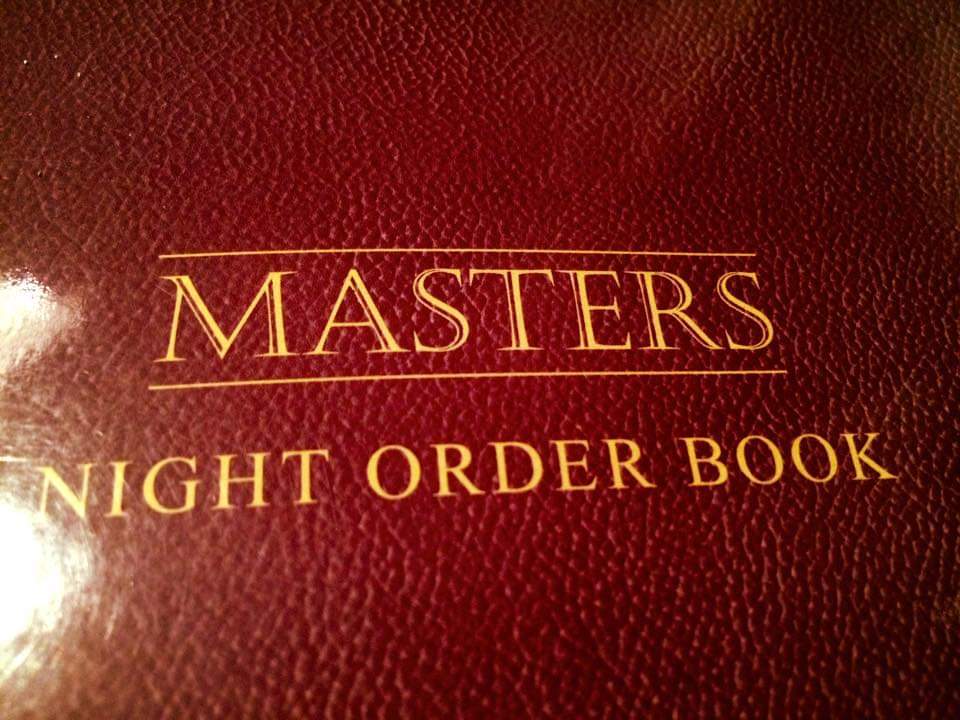
| Master’s Night Orders | The Ship’s Master | Night-specific instructions (e.g., call me if…) | Daily | OOW on duty overnight |
Understanding the hierarchy and timing of these orders helps officers act appropriately based on the situation and operational risks.
🧭 Officer of the Watch Duties Under Bridge Standing Orders
The Officer of the Watch (OOW) plays a critical role in maintaining safe navigation.
The Bridge Standing Orders guide their actions from the moment they take over the watch until they hand it over.
Every action must comply with company procedures, the Master’s directives, and international regulations such as STCW and COLREGs.
Let’s break down the duties by phase:
👨✈️ A. Before Taking Over the Watch
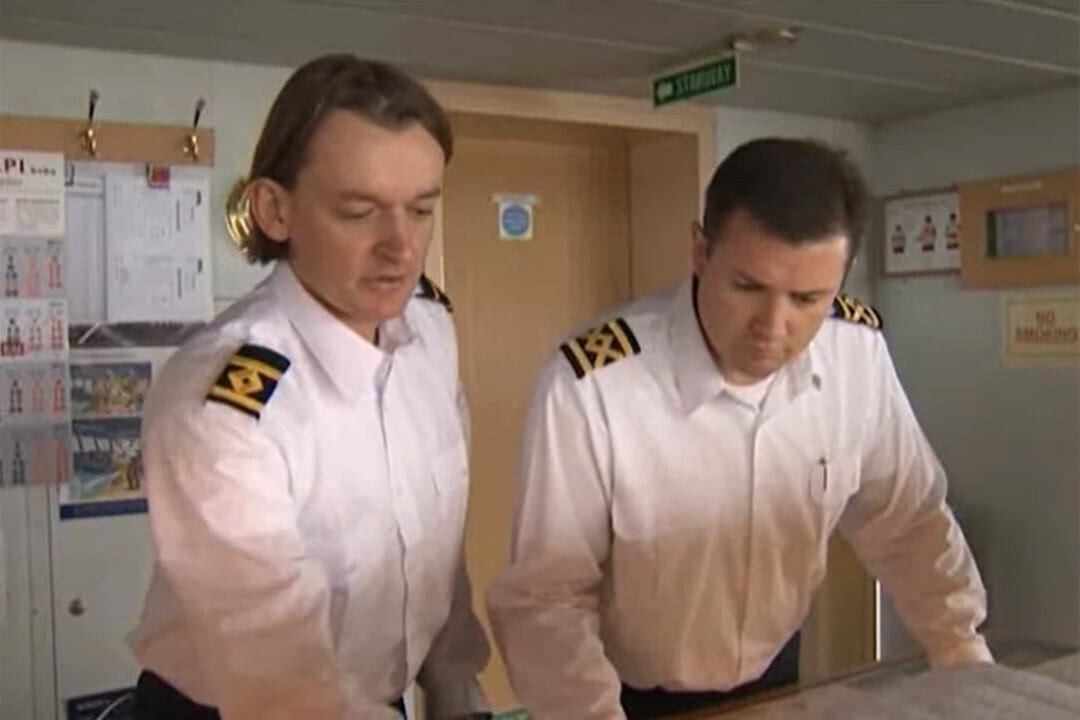
The watch handover is a crucial moment. Mistakes here can lead to navigational errors or missed hazards.
Before assuming responsibility, the incoming OOW must:
- Be well-rested, sober, and fully alert.
- Adjust vision to the bridge’s current light conditions.
- Confirm the status of the Bridge Watchkeeping Condition (manned/unmanned).
- Review the Master’s Night Orders and Standing Orders.
- Understand the vessel’s current:
- Position, course, and speed
- Draft and trim
- Expected weather, tides, and currents
- Nearby navigational aids and vessels
- Check operational status of:
- Gyro and magnetic compasses
- Navigation and safety equipment (Radar, AIS, ECDIS, echo sounder, etc.)
- Communications and emergency systems
- Review radio warnings, Notice to Mariners, and company voyage instructions.
📋 Tip: Many companies require OOWs to use a formal Watch Changeover Checklist– a simple but effective way to reduce human error during watch transitions.
🧿 B. Watchkeeping While Underway
Once in control, the OOW must keep a continuous and vigilant navigational watch. This includes:
📍 1. Position Fixing
- Fix the ship’s position at regular intervals using:
- GPS in open waters.
- Radar ranges and visual bearings in coastal areas.
- Astronomical observations when required or possible (e.g., during training).
- Detect discrepancies between positions and investigate any inconsistencies.
- Report any doubt or irregularity in position or speed to the Master immediately.
🧭 2. Compass and Steering Checks
- Compare Gyro vs. Magnetic compass at least once per watch or after major course changes.
- Ensure autopilot or helmsman is steering the correct course.
- Supervise manual steering during:
- Restricted visibility
- High-traffic zones
- Coastal or shallow navigation
- Emergencies
🛠️ Always verify the repeaters’ synchronization and helm response during course changes.
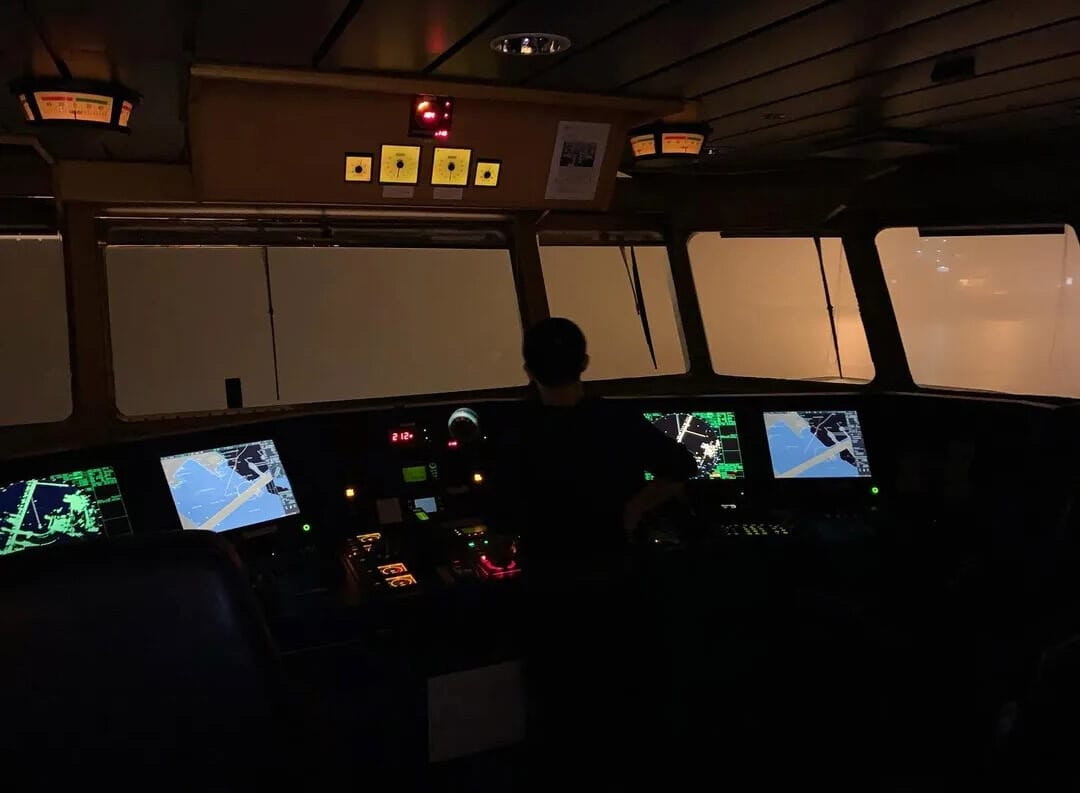
🌫️ 3. Actions in Restricted Visibility
- Comply strictly with COLREG Rule 19.
- Ensure:
- Sound signals are used
- Navigation lights are displayed
- Engines are ready for maneuvering
- Extra lookout is posted
- Radar and ARPA are actively monitored
- Inform the Master before or as visibility begins to deteriorate.
📒 C. Logging, Rounds, and Emergency Awareness
- Record all vessel activities in the Bridge Log Book.
- Monitor weather updates, especially wind scale, visibility, and sea state.
- Ensure safety rounds of accommodation are conducted and logged.
- In case of equipment failure or abnormal conditions (e.g., rudder angle deviation, GPS dropout), notify the Master without delay.
⚓ Bridge Standing Orders During Special Navigational Conditions
Standing orders aren’t just for open-sea navigation.
They also guide the OOW through anchorage, coastal transits, and night passages, ensuring safety when conditions become more dynamic or demanding.
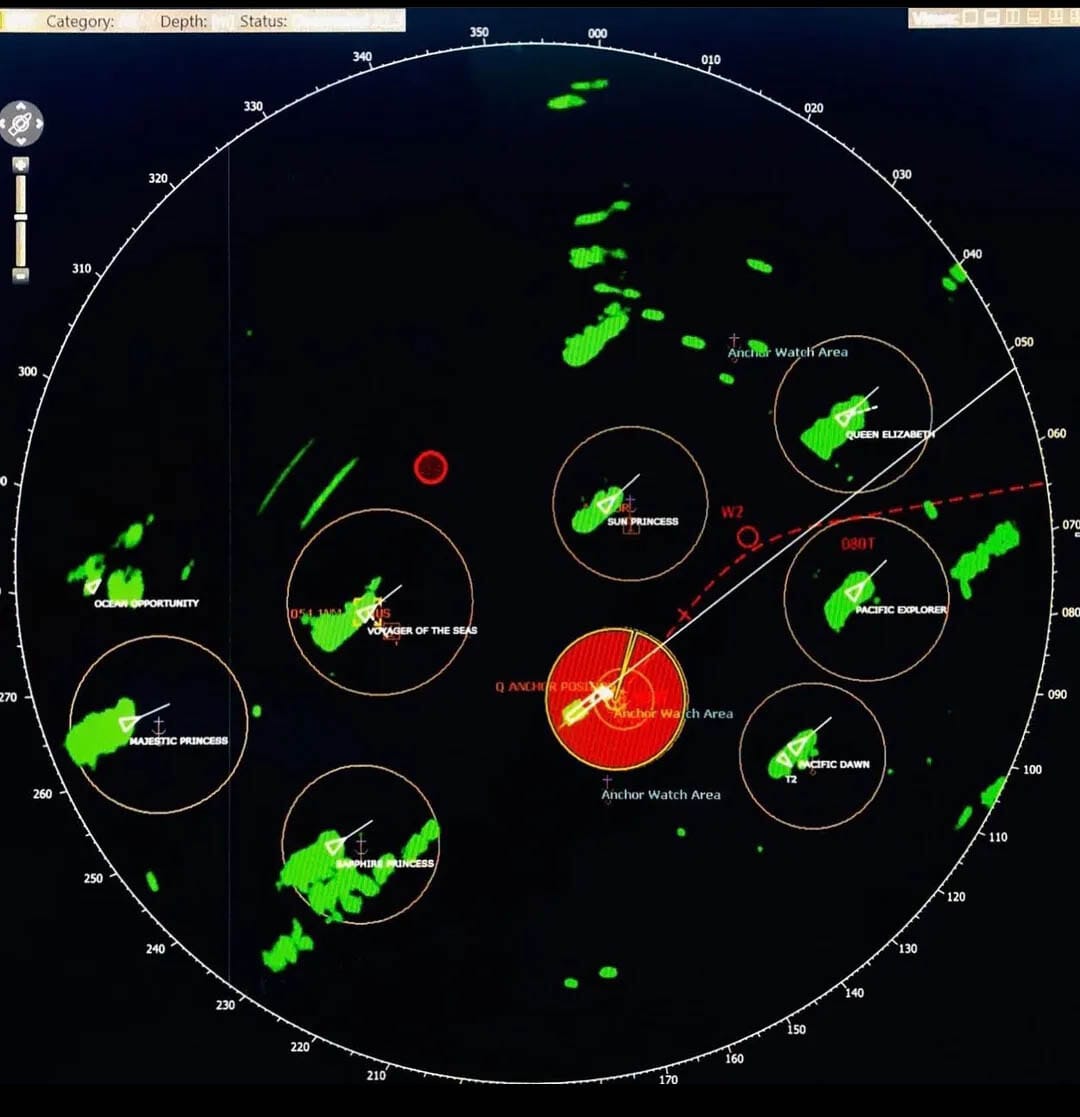
⚓ A. When at Anchor
Even while anchored, the vessel remains under navigational watch.
The OOW must:
- Fix the ship’s position on the chart promptly after anchoring.
- Check position regularly using:
- Bearings and radar distances to shore features
- GPS data
- Visual checks on ranges and marks
- Ensure continuous visual and aural lookout.
- Monitor meteorological conditions, tide, and sea state.
- Observe any anchor dragging signs and respond immediately.
- Inform the Master if:
- Visibility deteriorates
- The anchor starts dragging
- There’s unexpected movement or current
- Ensure:
- Anchor lights, shapes, and sound signals are exhibited
- Watchkeeper AB performs regular security rounds
- Readiness of main engine and machinery aligns with Master’s instructions
- Pollution prevention measures are in place
- Continuous radio watch on VHF channels for port, pilot, or safety updates
🧭 Tip for Cadets: “Anchor watch” is still a watch. Never let your guard down just because the ship isn’t moving.
🗺️ B. During Coastal Passage
Navigating close to land increases the risk of grounding or collision. BSOs highlight these key responsibilities:
- Use the largest scale charts available.
- Take frequent fixes using multiple methods– radar, bearings, visual marks.
- Positively identify buoys and beacons, especially in IALA Regions A or B.
- Adjust speed when transiting shallow areas to minimize squat and preserve under-keel clearance (UKC).
- Stay alert for local regulations, which may be found in:
- Sailing Directions
- Local Notice to Mariners
- Agent updates
- OOW must continue safe navigation duties even when the Master is present, unless explicitly relieved.
🌉 C. Night Navigation and Master’s Night Orders
Night orders are typically handwritten and vary based on:
- Expected traffic
- Coastal proximity
- Weather forecasts
- Any special conditions like piracy risk or fishing zones
While Bridge Standing Orders remain the foundation, night orders are situation-specific extensions.
The OOW must:
- Read and understand the Master’s Night Orders before taking the night watch.
- Know the exact conditions that require calling the Master:
- Traffic within a set distance
- Wind above Beaufort Force 6
- Unexplained radar contacts
- Vessel altering course unexpectedly
- Never hesitate to call the Master if in doubt. As the saying goes: “It’s better to wake up a Master than to explain an accident.“
🚢 Bridge Conduct, Pilotage, and Standing Order Flexibility
Bridge Standing Orders extend beyond navigational checklists.
They uphold professional discipline and define the boundaries of authority and responsibility on the bridge.
👨✈️ A. During Pilotage Operations
Even when a marine pilot is onboard, the OOW and Master retain full responsibility for the safety of the vessel.
- The pilot acts in an advisory capacity.
- The OOW must continue to:
- Monitor vessel position
- Ensure course and speed follow agreed pilot instructions
- Maintain proper lookout
- Be ready to act independently in case of emergency
- The Master must remain on the bridge during critical phases such as:
- Embarkation/disembarkation of pilot
- Approaches to berth or anchorage
🧭 Pro Tip: Never assume the pilot is always right. Verify. Monitor. Report any doubts.
🚫 B. Bridge Discipline and Access Control
Standing Orders also ensure that the bridge remains a functional command center, especially during navigation:
- Only authorized personnel should remain on the bridge.
- Unauthorized visitors, even if crew, should not linger unless they have watchkeeping duties.
- OOWs must be familiar with:
- The Bridge Procedures Guide
- Company’s Navigation Manual
- If in doubt or encountering an unfamiliar situation, consult the Master immediately.
✍️ C. Can Bridge Standing Orders Be Modified?
Yes! But only by the Master, and only if such modifications:
- Do not conflict with company policies, international regulations, or SMS.
- Are clearly documented and communicated to the OOWs.
- Address vessel-specific risks, trading areas, or updated company policies.
⚠️ Example: A Master may add special instructions for ECDIS alarms, piracy protocols, or VTS reporting requirements for high-traffic ports.
All officers must regularly review any updates and understand the Master’s expectations at all times.
🧭 Final Thoughts
Bridge Standing Orders are the backbone of safe navigation and officer accountability.
They codify decades of seamanship, operational lessons, and regulatory best practices into actionable directives.
Whether you’re preparing for bridge watch, taking over anchor duty, or sailing through restricted visibility, your best reference is not just the instruments but the orders that guide you.
👉 If you’re aiming to become a Deck Officer or want to upgrade your competence as an OOW, study your vessel’s Bridge Standing Orders.
Make it a habit to review them before every watch. Memorize what’s applicable and act with discipline.
❓FAQ: Bridge Standing Orders & Watchkeeping Duties
🔹 What are Bridge Standing Orders?
Bridge Standing Orders are written rules provided by the company and Master that govern officer conduct and responsibilities while navigating the vessel.
🔹 Who writes the Bridge Standing Orders?
The base format is typically provided by the company or Safety Management System (SMS), but the Master can add or modify orders relevant to the ship’s operation.
🔹 What’s the difference between Master’s Standing Orders and Bridge Standing Orders?
Master’s Standing Orders cover ship-wide operational guidelines; Bridge Standing Orders focus specifically on bridge watchkeeping. Both are mandatory.
🔹 Can the OOW alter standing orders?
No. Only the Master can amend them. The OOW must follow them exactly and consult the Master if unsure about any directive.
🔹 What is the role of the OOW during pilotage?
The OOW must maintain full navigational awareness and not rely solely on the pilot. The Master and OOW remain responsible for the ship at all times.
May the winds be in your favor.
Leave a Reply