
Our Blog
-

21 Distress Signals That Indicate a Ship is Asking for Help
Distress signals are among the most important communication tools on board every vessel. Because these emergency calls for help are universal, any seafarer should be able to tell that someone is in dire need of assistance. Over the years, the maritime industry has developed various types of distress messages from ships. If you receive any…
-
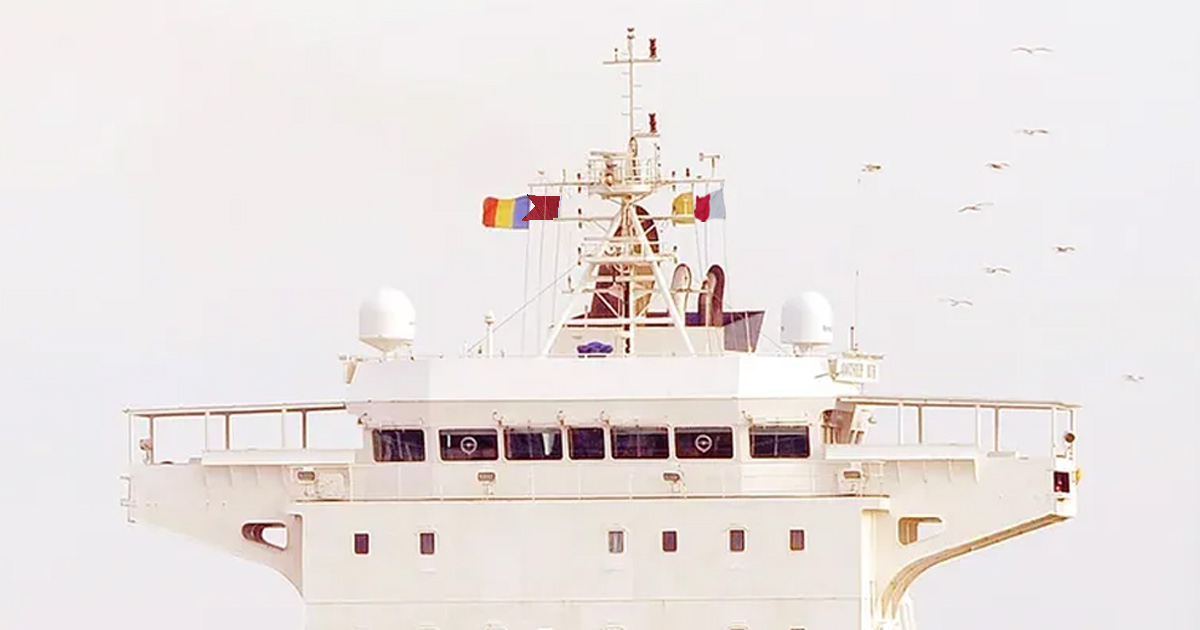
🚩 6 Most Commonly Used ICS Flag Signals on Ships
Maritime signal flags remain an essential visual communication tool used by ships worldwide. Even in the age of digital systems like AIS and VHF radio, the International Code of Signals (ICS) plays a vital backup role in navigation, safety, and port operations. From requesting a pilot to declaring hazardous cargo, these flags provide immediate, non-verbal…
-

🚢 Ship Navigation Lights, Day Shapes, and Sound Signals: Complete Guide with COLREGS Rules
Maritime navigation lights, shapes, and sound signals are essential tools for preventing collisions at sea, especially in conditions where visibility is limited or judgment must be made quickly. While Electronic Chart Display and Information Systems (ECDIS), RADAR, and AIS offer real-time situational awareness, International Regulations for Preventing Collisions at Sea (COLREGS) remain the legal standard…
-

🍾 Message in a Bottle: My Maritime Story & Tips for Seafarers
There’s something timeless about releasing a message in a bottle into the vast open sea. It’s more than a romantic gesture- it’s a connection between the past and the future, between one sailor’s thoughts and a stranger’s discovery. During my years as a seafarer, I sent three bottles into different oceans, not knowing if anyone…
-

🛰️ Automatic Identification System (AIS): Purpose, Types, How It Works
An Automatic Identification System (AIS) is a shipboard transponder system that uses Very High Frequency (VHF) radio waves to automatically transmit and receive real-time data between ships and coastal authorities. It enhances maritime safety, improves situational awareness, and supports collision avoidance– especially in congested sea lanes. Under SOLAS Chapter V, Regulation 19, AIS is mandatory…
-

10 Facts About Dali, The Container Ship That Hit Baltimore Bridge
Dali is a 300-meter container vessel that collided with the Francis Scott Key Bridge in Baltimore, Maryland, USA. After the ship hit one of the concrete center pylons, the whole bridge collapsed, resulting in fatalities from construction workers that have yet to be confirmed. Initial reports from eyewitnesses and various sources revealed that the ship…
-

🛰️ Understanding the LRIT System Architecture & the Flow of Data
The Long-Range Identification and Tracking (LRIT) system is a satellite-based ship monitoring framework mandated by the IMO under SOLAS V/19-1. It allows Contracting Governments to track ships beyond AIS and radar range for maritime safety, security, and environmental protection. While shipboard LRIT operations are automatic, a complex international infrastructure manages the collection, processing, and secure…
-

First Time Onboard? A Comprehensive Guide to Joining Your Ship
I recently received a comment from a reader about the embarkation process and how seafarers join their ships. His concern was valid, and I can relate to it, especially on my first contract as a cadet in the deck department. Do you know that uncertain feeling when traveling from your ship to a place you…
-
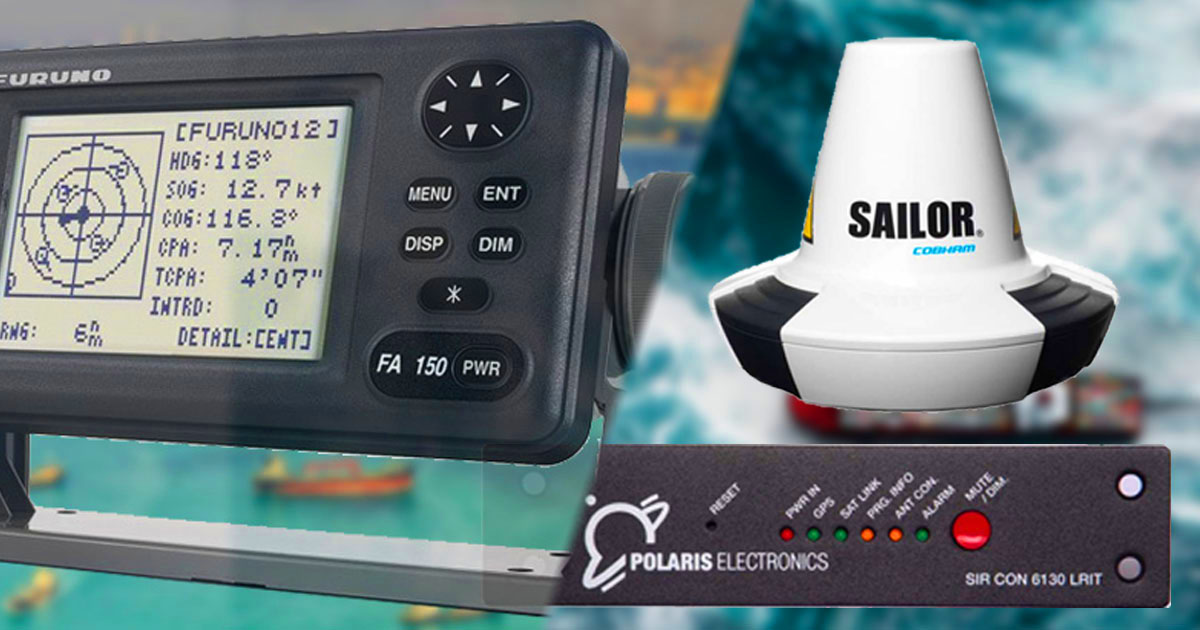
🚢 LRIT vs AIS: 31 Key Differences in Maritime Tracking Systems
Modern ships rely on both LRIT (Long-Range Identification and Tracking) and AIS (Automatic Identification System) for vessel tracking, but these systems serve very different purposes. While both are required under SOLAS regulations, they differ in data accessibility, regulatory use, communication infrastructure, range, and primary function. Understanding these distinctions is crucial for seafarers, navigators, fleet operators,…
-

🛰️ What Is LRIT (Long-Range Identification and Tracking)?
The Long-Range Identification and Tracking (LRIT) system is a global ship monitoring technology mandated by the International Maritime Organization (IMO). It enables Contracting Governments to track a ship’s identity and position via satellite, even beyond the horizon. Unlike AIS (Automatic Identification System), which is ship-to-ship and local, LRIT is satellite-based and one-way: ships transmit data…