

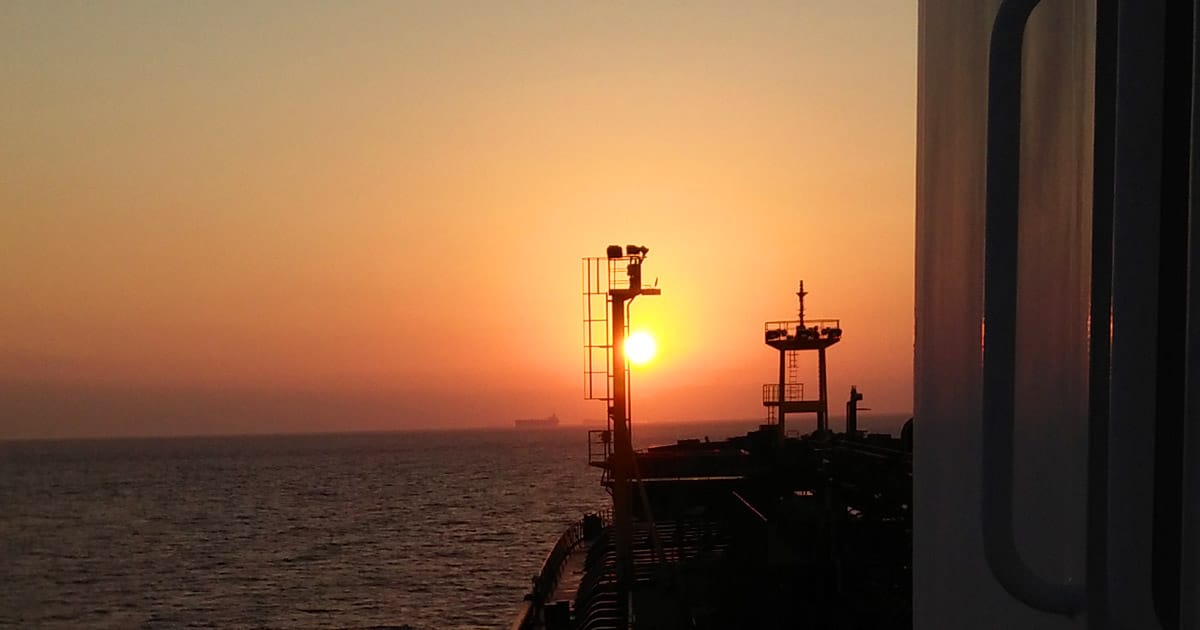
As the new year begins, many seafarers are preparing for fresh contracts, demanding voyages, and ever-changing maritime regulations.
Life at sea can be hectic – long shifts, heavy workloads, and limited shore time often make personal goals a low priority.
But 2025 is the perfect time to set practical, achievable resolutions that will help you grow personally and professionally.
Whether you’re a deck cadet, chief engineer, or future master mariner, these resolutions are designed to strengthen your career, skills, and well-being– so you can navigate both calm seas and rough waters ahead.
Why New Year’s Resolutions Matter for Seafarers ⚓
Working at sea brings unique challenges- isolation from loved ones, mental stress, and evolving industry demands.
Resolutions aren’t just about self-improvement; they’re a strategic investment in your maritime career and overall well-being.
By focusing on continuous learning, skill enhancement, and mental resilience, you’ll stay ahead in an industry that constantly changes with IMO regulations, STCW requirements, and new technologies.
Top 12 Resolutions for Seafarers in 2025
1. Learn a New Skill and Upgrade Your Competency 🧭
The maritime industry evolves fast, and staying relevant requires continuous professional development (CPD).
Use your downtime on board to learn hard and soft skills:
- Maritime-specific skills → ECDIS mastery, celestial navigation, emergency drills, engine troubleshooting
- Tech-driven skills → Video editing, coding, AI-assisted navigation tools
- Soft skills → Leadership, conflict resolution, cross-cultural communication
Consider upgrading your STCW endorsements or taking short online courses on navigation, engineering, or safety management.
Pro Tip: Dedicate 30 minutes daily to structured learning. Over a contract, that’s 90+ hours invested in career advancement.
2. Prioritize Physical Fitness and Health Onboard 🏋️♂️
Long shifts, irregular sleep, and limited space can impact your health at sea.
But a stronger body means a sharper mind- and both are essential for safe ship operations.
- Do daily onboard exercises → Push-ups, planks, squats, resistance band workouts
- Use limited space creatively → Convert your cabin into a mini-gym
- Eat smart → Choose balanced meals when available, and limit excessive sugar and alcohol
- Monitor your health → Use wearables or apps to track steps, heart rate, and calories
A fit seafarer isn’t just more resilient; they also reduce fatigue-related mistakes- a key factor in preventing shipboard accidents.

3. Master Financial Management and Secure Your Future 💰
Seafarers often earn well, but poor financial planning can lead to debt during vacation periods.
This year, focus on sustainable money habits:
- Create a monthly budget that includes savings, training costs, and family expenses
- Build an emergency fund to cover unexpected medical or training requirements
- Learn about seafarer investments like mutual funds, time deposits, or small businesses
- Track every expense using apps like Money Manager, YNAB, or spreadsheets
Warren Buffett once said:
“Do not save what is left after spending, but spend what is left after saving.”
Financial security lets you focus on your maritime career without worrying about the next contract gap.
4. Stay Connected with Loved Ones Regularly ❤️
Long voyages and unpredictable schedules make maintaining relationships challenging, but technology bridges the gap.
- Schedule weekly calls or video chats with family and friends
- Use apps like WhatsApp, Messenger, or Viber for instant updates
- Share photos and videos from port visits to stay emotionally connected
- If you have kids, record voice messages or bedtime stories they can play anytime
Seafarers who stay emotionally connected to loved ones have better mental health and stronger motivation while onboard.
5. Document Your Seafaring Journey 📸
Every voyage is a story- and sharing it can inspire others while preserving your memories.
- Start a personal blog or journal
- Take photos and videos of life onboard, ports, and shore adventures
- Keep a logbook of experiences– from drills to scenic sunsets
- Share insights with cadets, future seafarers, and maritime forums
Documenting your journey can also build your personal maritime brand.
Many seafarers turn their blogs into resources that inspire cadets and connect with global maritime communities.
6. Read More Books and Upgrade Your Knowledge 📚
Long voyages can be boring, but they’re also golden opportunities to sharpen your mind.
- Read maritime-specific books → COLREGS guides, navigation handbooks, engineering references
- Explore personal growth titles like leadership, psychology, and finance
- Download eBooks or audiobooks in advance for offline reading
- Dedicate at least 15 minutes daily to reading or studying new regulations
Knowledge isn’t just power.
It’s also your competitive edge when applying for promotions or taking maritime competency exams.

7. Master Time Management at Sea ⏳
Working onboard means juggling long shifts, training schedules, safety drills, and personal downtime.
Without proper planning, days can slip away unproductively.
- Use time-blocking techniques for work, study, and rest
- Set daily micro-goals– even small wins add up
- Balance leisure with self-improvement during long voyages
Efficient time management helps prevent burnout, improves productivity, and ensures you make the most of your limited free time.
8. Build Stronger Connections with Your Crewmates 👨✈️👩✈️
Life onboard is smoother when there’s camaraderie and mutual support among the crew.
Since you spend months together, building strong relationships matters:
- Engage in open conversations to foster understanding
- Be respectful of cultural differences in multinational crews
- Celebrate achievements and milestones together
- Lend a helping hand during difficult moments
Creating a healthy onboard culture improves morale and operational efficiency.
A strong crew dynamic also prepares you for future networking opportunities within the maritime industry.
9. Prioritize Mental Health and Well-being 🧠
Mental health issues among seafarers have grown significantly in recent years, with isolation, fatigue, and homesickness being major factors.
The Maritime Labour Convention (MLC 2006) now highlights welfare as a top priority.
- Watch for early signs of burnout, anxiety, or depression
- Make use of onboard mental health resources or helplines like The Mission to Seafarers
- Schedule daily “mental breaks”- quiet reflection, meditation, or journaling
- Reach out to trusted crewmates or counselors when needed
Remember, mental well-being directly impacts safety, performance, and decision-making at sea.
A healthy mind makes you a more effective seafarer.
10. Start Writing and Sharing Your Knowledge ✍️
Writing is one of the best ways to organize your thoughts and build authority in the maritime community.
- Keep a personal journal of shipboard experiences
- Write articles for maritime forums, LinkedIn, or your own blog
- Share safety tips, navigation hacks, or engine troubleshooting guides
- Submit articles to seafarer magazines or educational platforms
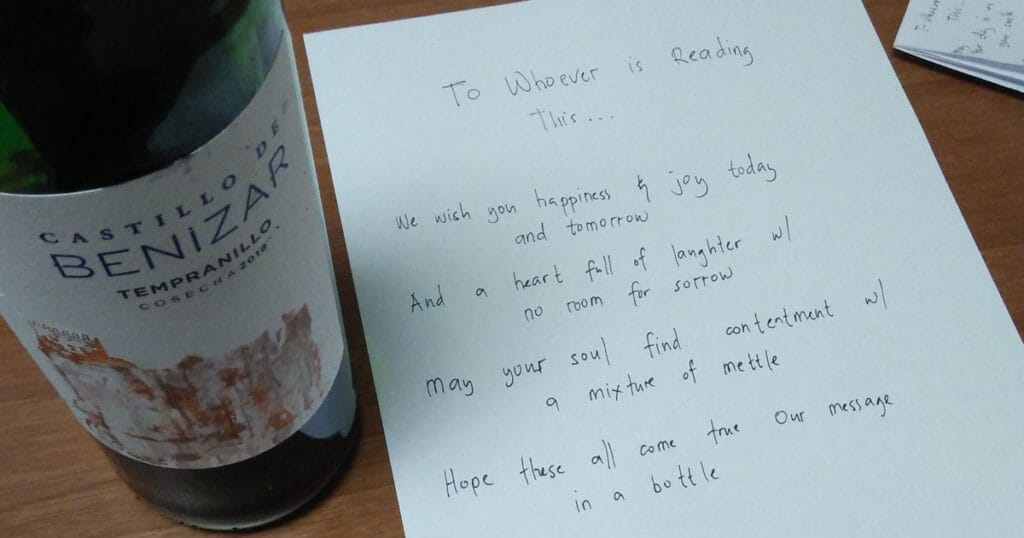
Making writing a part of your New Year’s resolution can be a game-changer for you! I even wrote messages in bottles and sent it over the Atlantic Ocean.
11. Commit to Continuous Learning and Professional Development 📖
The maritime industry is evolving rapidly due to IMO regulations, digital navigation systems, and automation in shipping.
To stay competitive, make continuous learning a priority:
- Upgrade certifications under STCW and attend refresher courses
- Join online courses on COLREGS updates, LNG operations, or ECDIS proficiency
- Attend conferences like SMM Hamburg or IMO seminars
- Subscribe to maritime newsletters for industry updates
Pro Tip: A seafarer who invests in CPD (Continuous Professional Development) has a higher chance of securing promotions and better-paying contracts.
12. Contribute to the Maritime Community 🌊
Instead of spending downtime on endless scrolling or arguments online, use your knowledge to give back to the industry:
- Participate in forums and share your shipboard experience
- Mentor cadets or junior crew members
- Join discussions on maritime innovation and sustainability
- Volunteer with maritime welfare organizations supporting seafarers
Contributing doesn’t just improve the industry- it strengthens your professional reputation within the global seafaring community.
How to Stick to Your Resolutions While at Sea 🗺️
One of the biggest challenges for seafarers is staying consistent while onboard. Here’s how you can maintain momentum:
- Set realistic goals → Focus on 1–3 resolutions at a time
- Track your progress → Use a digital checklist or onboard notebook
- Find accountability partners → Share goals with crewmates
- Celebrate small wins → Progress fuels motivation
Remember, progress matters more than perfection. Even a 1% daily improvement adds up by the end of your contract.
❓ Seafarer New Year’s Resolutions FAQs
1. What are the best New Year’s resolutions for seafarers?
Learning new skills, upgrading STCW certifications, improving fitness, managing finances, and enhancing mental health are top priorities.
2. How can seafarers improve their maritime skills in 2025?
Enroll in CPD courses, attend IMO seminars, and study navigation, safety, and engineering resources during onboard downtime.
3. Why is mental health important for seafarers?
Isolation and fatigue affect decision-making and safety. Promoting wellness through MLC-supported programs and peer connections is vital.
4. What tools can help seafarers manage time better?
A simple handwritten logbook help balance work, study, and personal activities during long voyages.
5. How can documenting shipboard experiences benefit seafarers?
Journals, blogs, and vlogs build personal branding, inspire cadets, and strengthen career prospects in the maritime industry.
Conclusion: Set Sail Toward a Better You in 2025 ⛵
Seafaring isn’t just a job- it’s a journey of continuous growth.
By committing to these 12 resolutions, you’ll strengthen your skills, health, and career prospects while inspiring others along the way.
Start small, stay consistent, and make 2025 the year you become a future-ready seafarer.
Pro Tip: Check out our other guides on STCW certification upgrades, CPD strategies, and maritime mental health resources to stay ahead in your career.
May the winds be in your favor.
Leave a Reply