
Our Blog
-
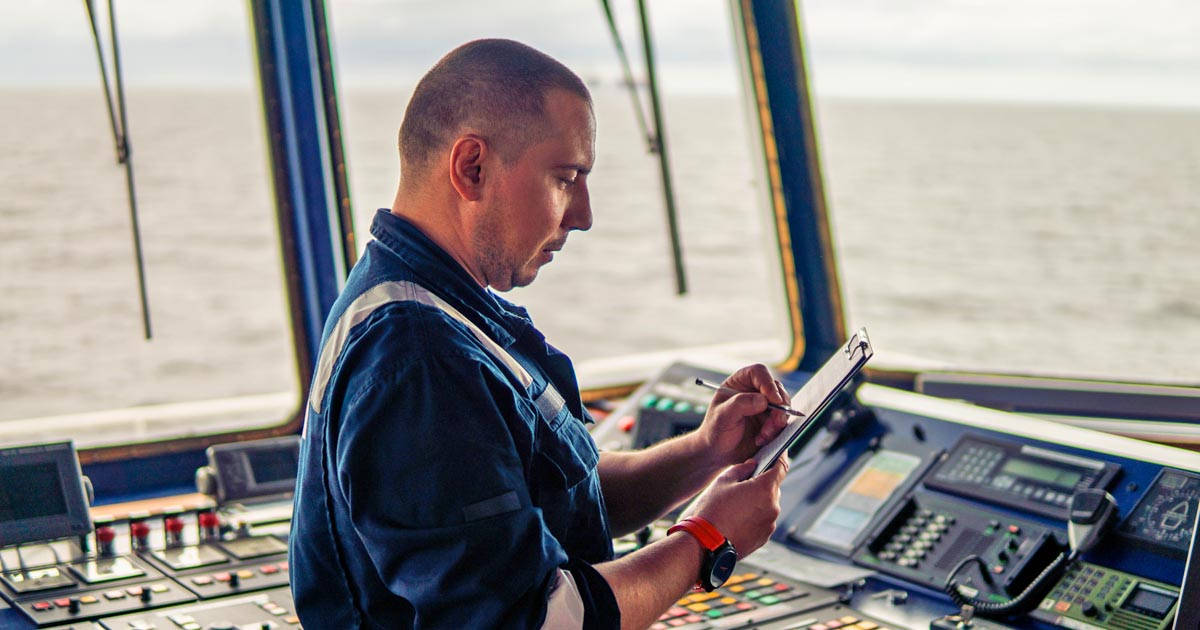
112 Promotion Checklists From 3rd Officer to 2nd Officer
Promotion from Third Mate to Second Mate can be challenging but is equally rewarding. There may be overlaps in their duties on the bridge, but it can still feel overwhelming knowing that the safety of the ship’s passage is in your hands. Not only that, but you also need to become more familiar with cargo…
-

👋 First Time as an Ordinary Seaman (OS)? What to Expect and How to Excel
Starting your first contract as an Ordinary Seaman (OS) can feel overwhelming. You might wonder what your duties are, how to fit in, or if you’ll measure up to the expectations of seasoned crew members. Don’t worry. everyone starts somewhere! This guide will help you understand your job, what senior crew expect from you, and…
-

The Maritime Industry’s Fastest, Largest, Busiest, and First
The maritime industry has consistently set records with groundbreaking advancements in speed, size, efficiency, and environmental innovation. As one of the largest industries powering international commerce, shipping companies and ports are pushing the boundaries in shipbuilding, port infrastructure, and sustainable practices. This article explores the maritime industry’s superlatives—from the fastest ships and busiest ports to…
-

10 Ways How the Shipping Industry Can Reduce Carbon Emissions
The shipping industry contributes approximately 3% of global greenhouse gas emissions, equating to nearly 10% of the transportation sector’s total carbon footprint. With over 90% of the world’s goods transported by sea, decarbonizing maritime shipping is crucial to curb its environmental impact. The International Maritime Organization (IMO) aims to cut the carbon intensity of international…
-

Investigation Results: How “EVER GIVEN” Blocked The Suez Canal
The colossal container ship Ever Given rammed the east bank of the Suez Canal 25 minutes after the pilots boarded and blocked the entire waterway for six days. Due to gusty winds and human error, the mega-ship swung out of control in the early morning of Tuesday, March 23, 2021, while carrying 10,788 containers. According…
-

Master’s Payment Order (MPO) Explained
Have you ever wondered how seafarers can send extra funds beyond their regular allotments? The Master’s Payment Order (MPO) is the answer. Since crew members at sea have no access to banking services, the MPO allows seafarers to send money without visiting a bank or remittance center. It’s a convenient method, and if your ship…
-
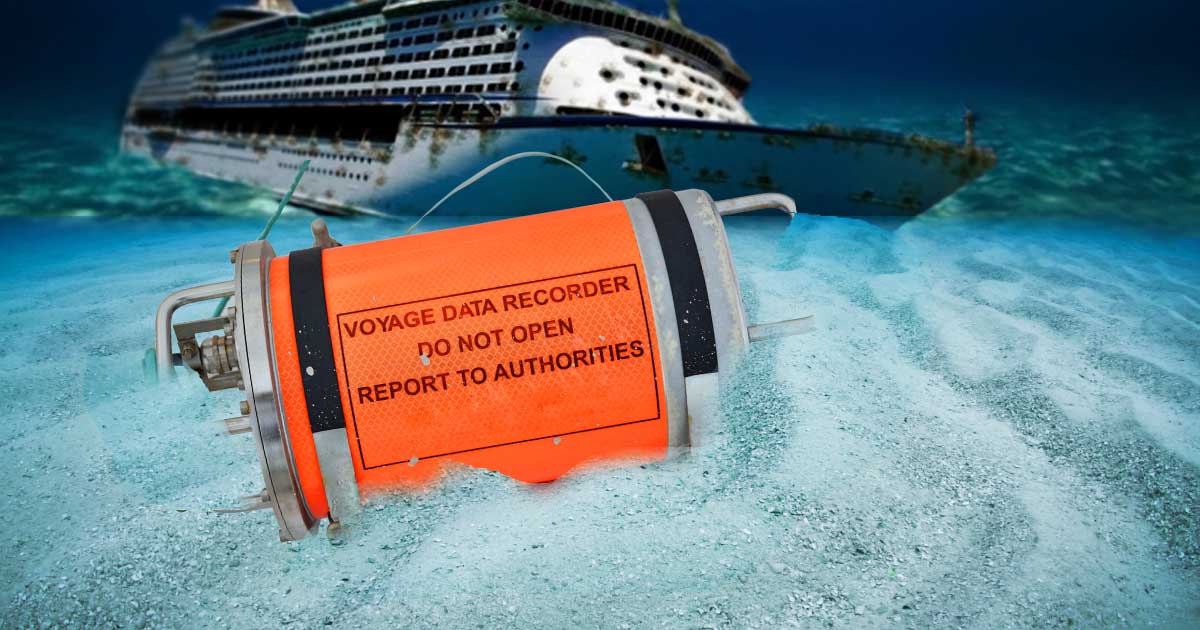
💾 Voyage Data Recorder (VDR): Purpose, Data Logged, S-VDR Differences, IMO Rules
Often called the ship’s “black box,” the Voyage Data Recorder (VDR) silently logs everything from critical system data to bridge audio. But what exactly does it record, and why is it vital for maritime safety? ⚓ What Is a Voyage Data Recorder? A Voyage Data Recorder (VDR) is a marine electronic device that continuously records…
-
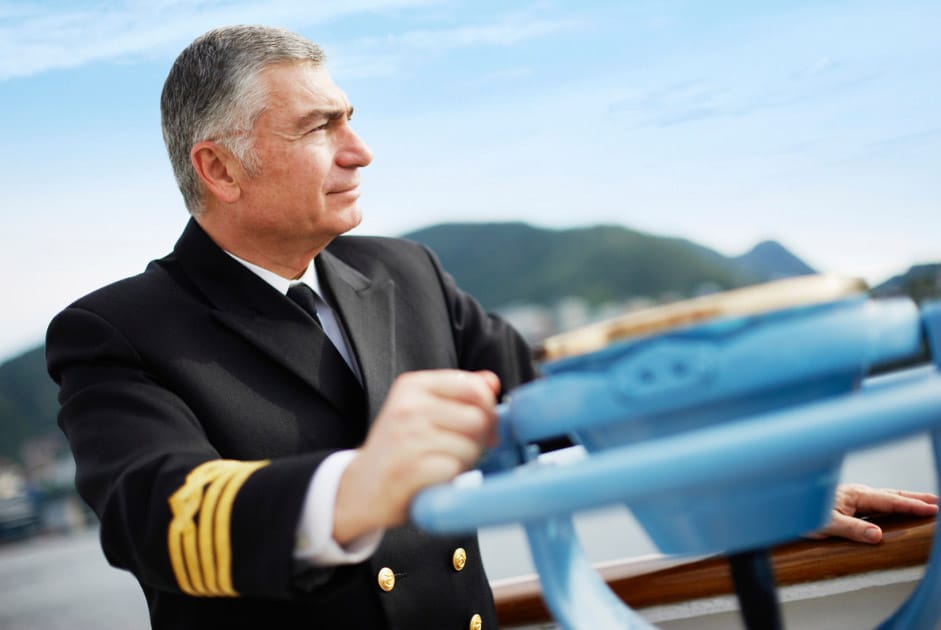
👨🏼✈️ 12 Types of Ship Captains You’ll Never Forget On Board
Every seafarer remembers their captain. Some for their wisdom, others for their quirks. From calm leaders to micromanaging mariners, each master leaves a lasting impression on their crew. Whether you loved or dreaded sailing with them, here are 12 unforgettable types of ship captains you’ll likely meet during your career at sea. 🌊 1. 🧓…
-

👁️ How to Keep a Proper Look-Out at Sea (COLREGS Rule 5 Guide)
Maintaining a proper look-out is one of the core duties of a bridge watchkeeper. Under COLREG Rule 5, every vessel must always observe its surroundings using sight, hearing, and all available means to avoid collisions and navigate safely. Whether you’re in open waters, port approaches, or high-traffic areas, the lookout’s role is non-negotiable. It’s the…
-

🗺️ Essential Markings on Nautical Voyage Charts for Safe Navigation (With Examples)
Even with modern ECDIS technology, accurate voyage chart markings remain a critical element of safe navigation and SOLAS-compliant passage planning. Marking your charts, whether paper or ENC, isn’t just tradition; it’s smart seamanship backed by IMO Resolution A.893(21) and expected by Port State Control Officers and vetting inspectors. This guide highlights the essential information every…