
Our Blog
-
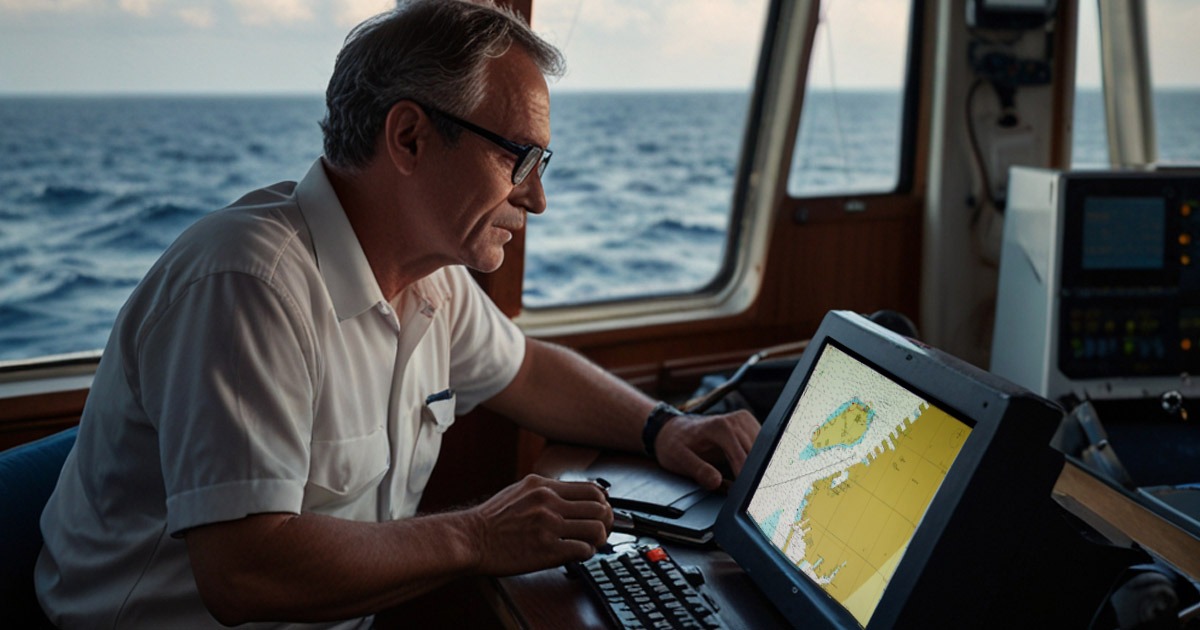
🖥️ Basic and Advanced ECDIS Functions Every Deck Officer Must Know
In modern bridge watchkeeping, mastering the Electronic Chart Display and Information System (ECDIS) is no longer optional- it’s mandatory. As an IMO-compliant digital replacement for paper charts, ECDIS empowers deck officers with real-time navigation, integrated data, and enhanced decision-making tools. But to use ECDIS effectively and legally, every Officer of the Watch (OOW) must undergo…
-
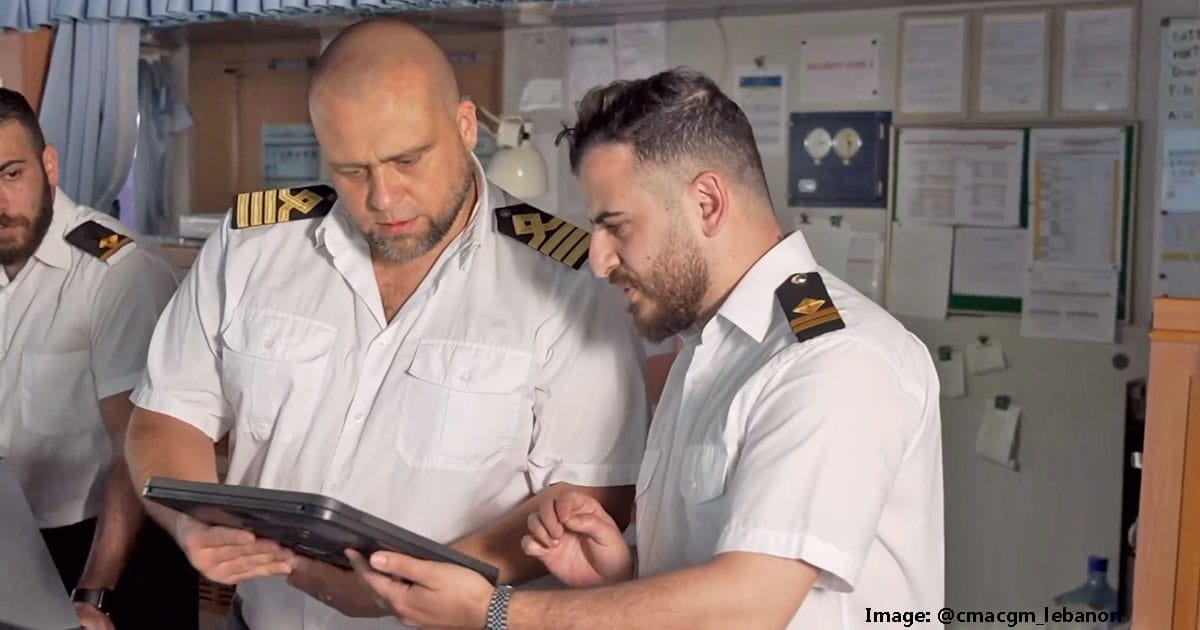
📋 Navigational Watch Handover: Procedures, Checklist, and Best Practices
A navigational watch handover– also known as a watch changeover, is the formal transfer of responsibility from one Officer of the Watch (OOW) to another. It marks a critical point in bridge operations where the incoming officer assumes control of navigation, situational awareness, and safety monitoring onboard. This process is more than a routine- it…
-

⚓ Anchoring in Deep Waters: Risks, When to Do It, & Safe Procedures for Seafarers
Anchoring is a fundamental operation in ship navigation, but when the seabed lies beyond 50 meters deep, the risks escalate sharply. Most vessels prefer anchoring in depths under 50 meters. Going beyond that presents challenges not addressed by standard anchoring practices. This guide explains why anchoring in deep water is generally discouraged, the situations where…
-
⏰ When to Call the Master: 31 Scenarios Every Officer-on-Watch Must Know
Knowing when to call the Master is one of the most important responsibilities of any Officer on Watch (OOW). Whether you’re navigating through heavy traffic, facing an equipment failure, or simply unsure about the vessel’s situation, the Bridge Standing Orders and good seamanship both emphasize one thing: If in doubt, call the Master. ⚓ This…
-
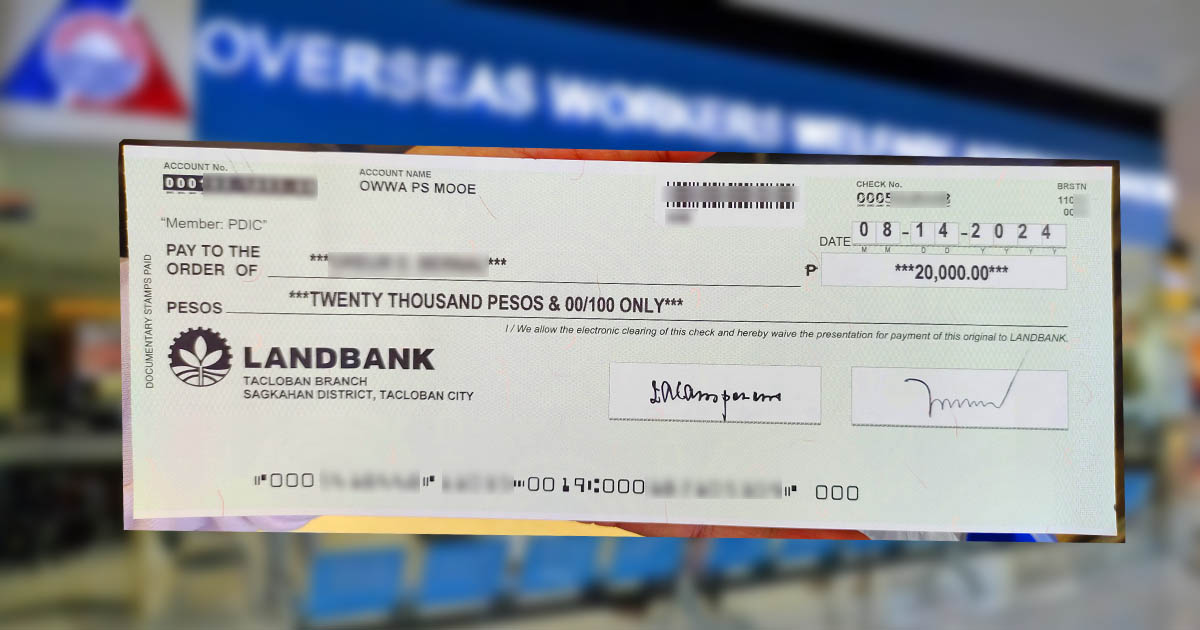
How Seamen & OFWs Can Avail of OWWA’s Php20,000 Cash Grant
If you plan to retire from working abroad due to distress, emergency, or having been displaced, you can apply for financial assistance from OWWA. OWWA’s Php20,000 Balik Pinas Balik Hanapbuhay program is a grant that doesn’t need to be repaid. It is a monetary aid for Overseas Filipino Workers, including Seafarers, who want to start…
-
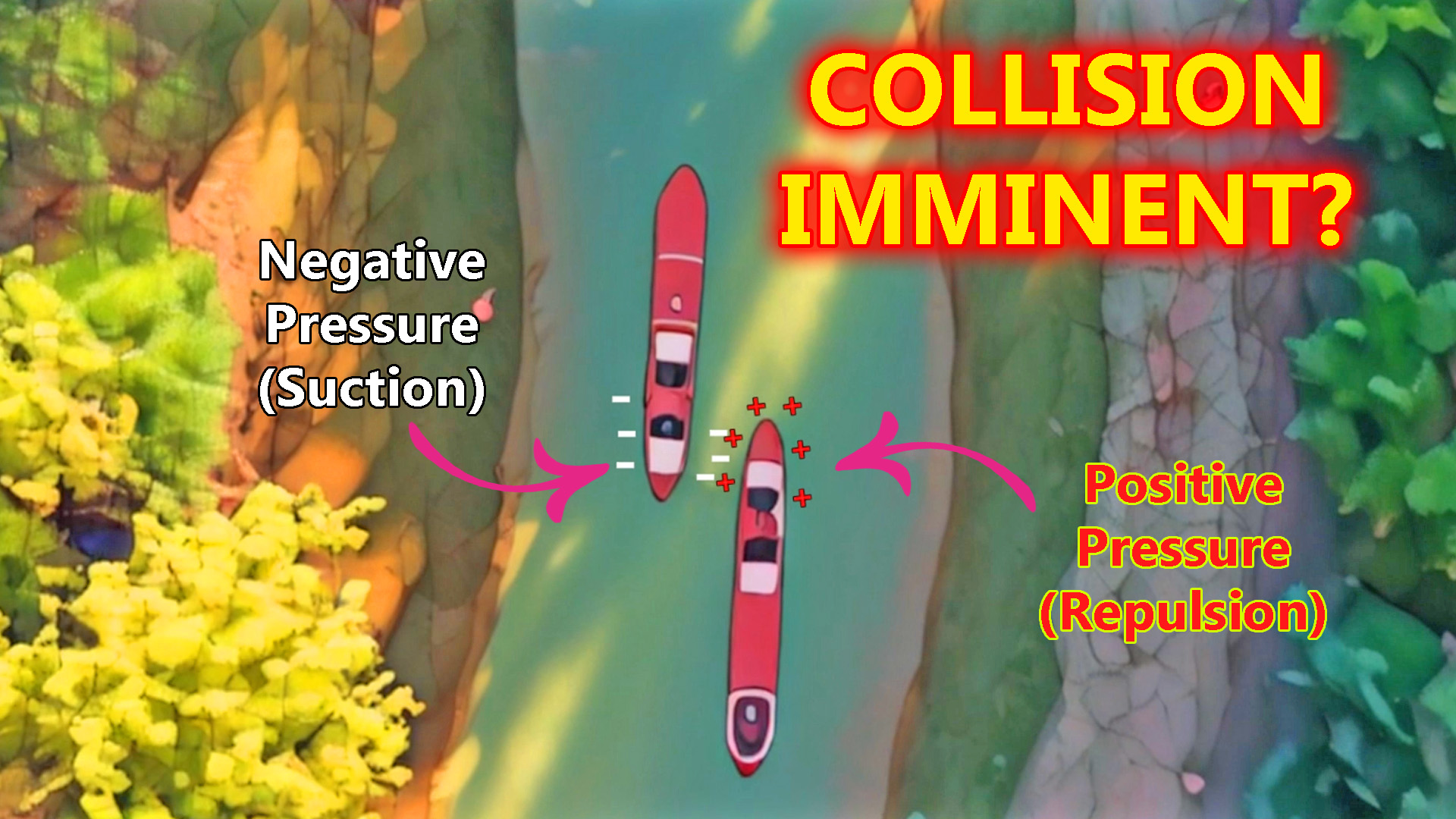
🚢 How To Overtake in a Narrow Channel and Avoid Collision
Overtaking in a narrow channel is a high-risk maneuver. The confined space, proximity to other ships, and invisible hydrodynamic forces below the hull make it one of the most critical challenges in navigation. While bridge navigational equipment like radar and ECDIS provide visual tracking, true awareness lies in understanding the forces at play and strictly…
-
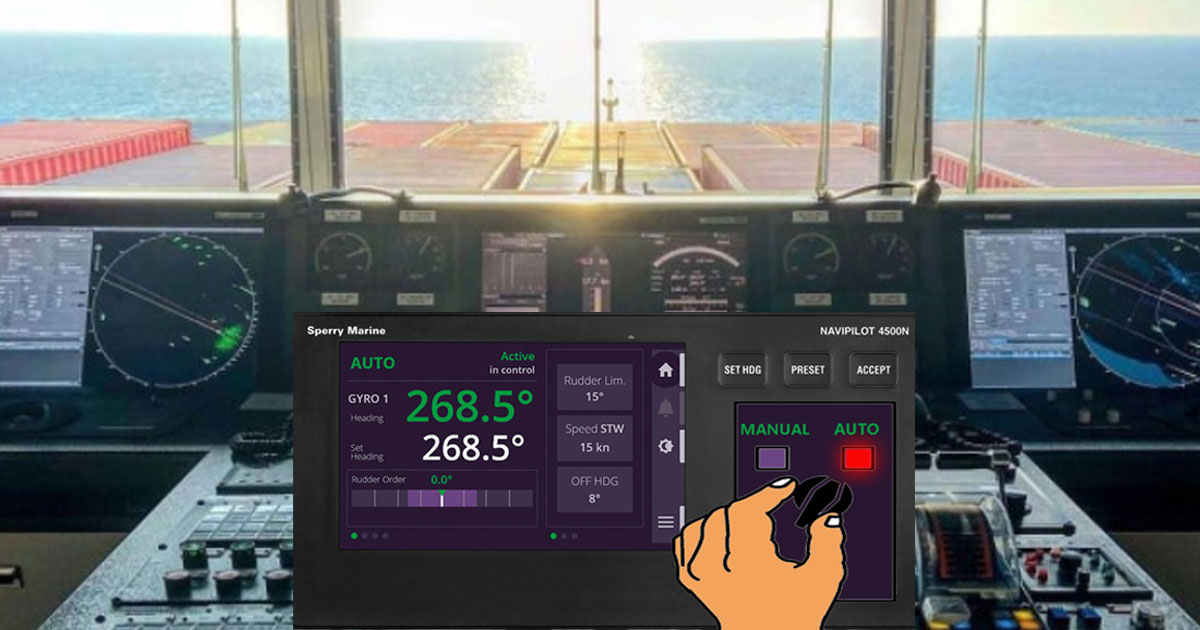
🚢 When to Switch Between Ship’s Autopilot and Manual Steering
Modern ships use autopilot systems to reduce helm workload and ensure fuel-efficient navigation. But when conditions change- such as entering port, facing heavy traffic, or operating in restricted visibility, manual steering becomes essential. This guide explains when and how to safely transition between automatic and manual steering modes. 🧭 Why Steering Mode Transitions Matter Changing…
-
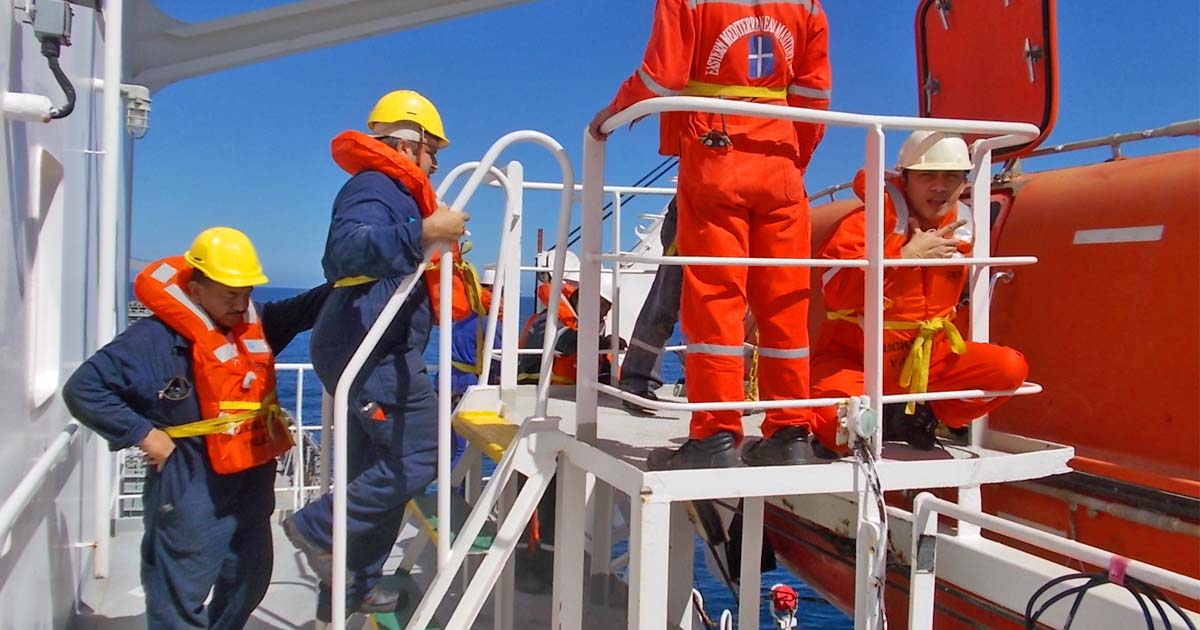
List of Shipboard Drills and Their Frequency Schedules
Safety drills are regular practice exercises on board that ensure the crew’s preparation and effective response during an emergency situation. Because these training exercises simulate real-life emergencies, vessel personnel can develop the muscle memory and critical thinking skills necessary to react effectively when a real crisis strikes. Safety drills are mandatory on board. SOLAS and…
-
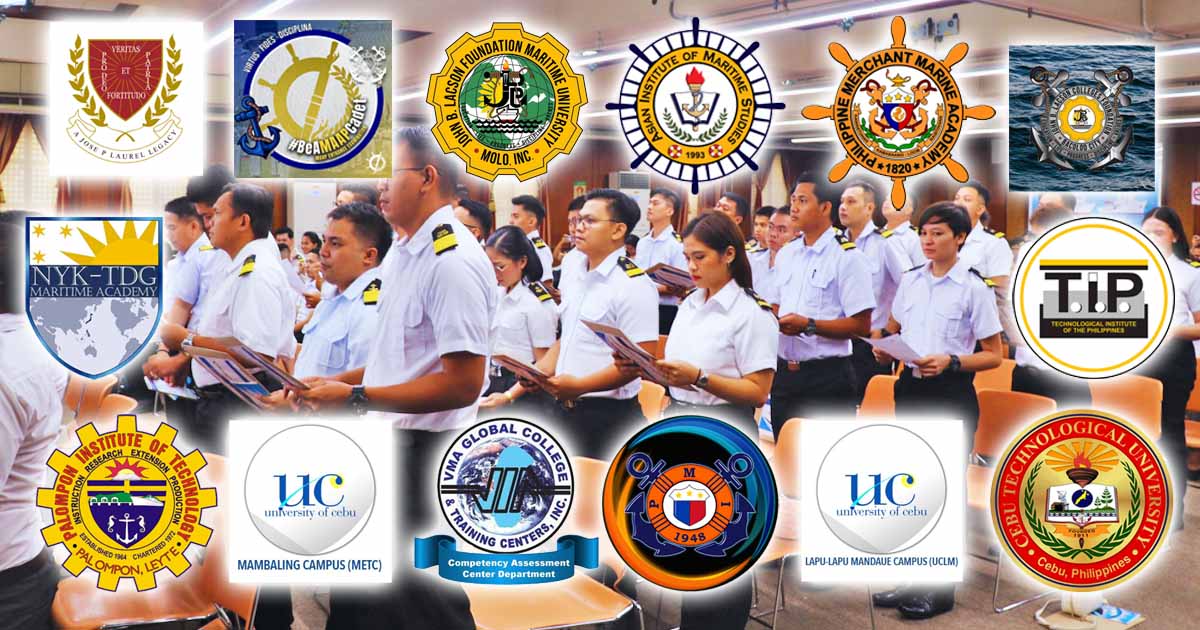
Top 20 Maritime Schools in the Philippines
I often receive emails from interested students asking about the best maritime school in the country. I tried looking into it and finally made criteria for my ranking, which I want to be based on facts and numbers. Many of the schools that reached the top 20 are renowned for their scholarship programs, which many…
-

Minimum Requirements of STCW Training Courses Per Rank
Pursuing a career at sea requires extensive training and certification. The higher you progress through the ranks, the more courses you must take. If you want an overview of what training courses you must take for your future promotion, this article will guide you there. The requirements listed here are specified in the STCW Code…