


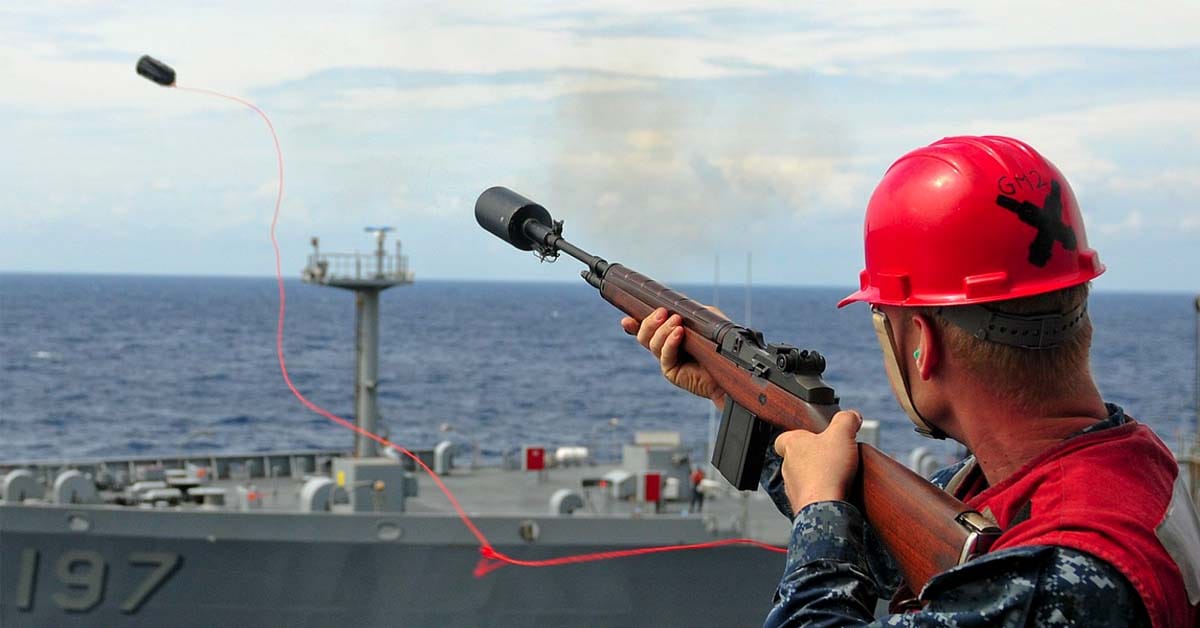
A line-throwing apparatus (LTA) is a self-contained device that shoots a rocket projectile to a considerable distance while attached to a line.
It is mostly used during rescue operations but sometimes during ship-to-ship transfers when normal methods of contact using heaving lines don’t work.
Since the use of LTA on ships is essential, SOLAS regulation and the LSA Code (Life Saving Appliance Code) standardize the construction and performance of this portable equipment.
Construction
The Life-Saving Appliance Code (LSA Code) and SOLAS provide guidelines for manufacturers to consider when crafting line-throwing devices.
These standards guarantee that they will work well for their intended purpose.
Key Construction Requirements:
- Be constructed with proper workmanship and materials;
- In the case of an integral rocket and line, be contained in a water-resistant casing; in the case of a pistol-fired rocket, the rocket shall be contained in a water-resistant casing;
- Include not less than four projectiles;
- Include not less than four lines each having a breaking strength of not less than 2 kiloNewtons; and
- Be so designed that the end from which the rocket is ejected can be positively identified by day or night.
- Rockets, cartridges, and igniters shall be so constructed that all components, compositions, and ingredients shall be of such character and quality to maintain serviceability under good average storage conditions in the marine environment for a period of at least 4 years.
- Rockets, cartridges, and igniters shall be so constructed that any sealing shall not depend on adhesive tapes or plastic envelopes.
For reference, 2 kiloNewtons (kN) is equal to 203.94 kilograms.
Performance
Line-throwing apparatus (LTA) must meet specific performance standards to ensure effectiveness during rescue operations.
Thus, the types of line-throwing appliances listed below follow these specifications.
Key Performance Specifications:
- Distance: LTAs shall throw a line (≥ 4mm diameter) at least 230 meters in calm weather.
- Accuracy: Lateral deflection shall not exceed 10% of the rocket’s flight length in calm weather.
Markings and Labeling
Clear markings are crucial for safe and correct use of LTAs. SOLAS and LSA regulations require:
- Brief instructions or diagrams illustrating appliance use.
- Indelible markings on rockets, cartridges, and igniters with:
- Date of manufacture
- Date of expiry
Types of Line-Throwing Apparatus
Tanker vessels, containers, bulk carriers, and other types of merchant ships engaged in international voyages must carry LTAs.
Since the line thrower shoots a projectile, it uses propellants or mechanisms for launching a solid weight into the air in a specified range.
To achieve that, line-throwing devices use three launching methods namely gun, rocket, and pneumatic.
1. Line-Throwing Gun
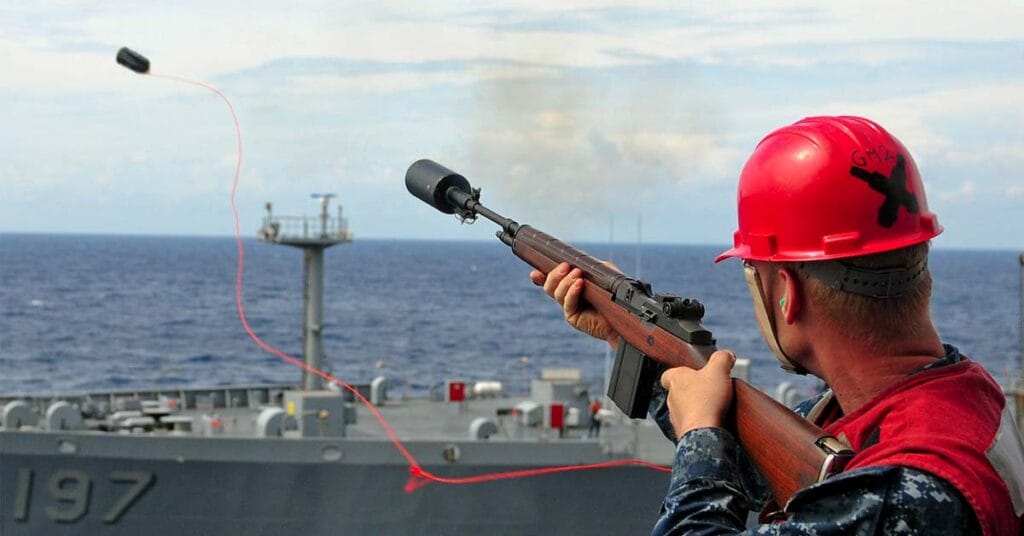
A line-throwing gun resembles a rifle, firing a projectile attached to a long rope or line.
A heavy load blank cartridge propels the projectile.
With its versatility, users can fire a line-throwing gun on its shoulders, just like you do with a normal rifle.
Key Features:
- Versatile shoulder-fired design
- Solid brass projectile
- Effective for rescue operations
Limitations
Despite their effectiveness, line-throwing guns have drawbacks:
- Bulkiness
- Multiple moving parts
- Assembly requirements:
- – Projectile insertion
- – Blank cartridge installation
- Storage challenges:
- Space requirements for SOLAS-regulated four units
2. Pneumatic Line Thrower
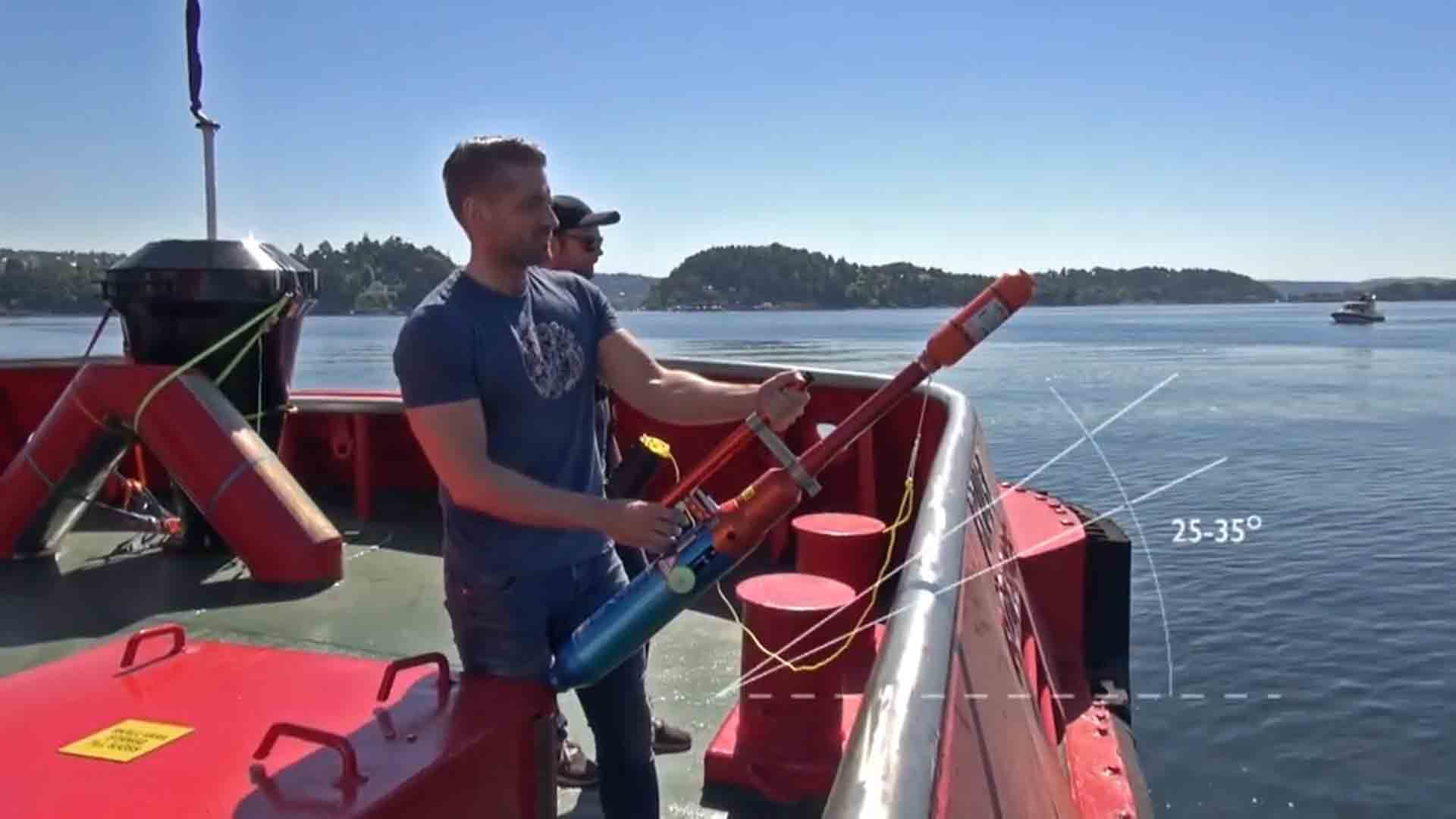
An alternative line-throwing apparatus is the Pneumatic Line Thrower. It utilizes compressed air for launching.
Key Features:
- Compressed air launching medium (200-300 bars).
- Interchangeable launching tubes for various projectiles.
- Reusable with no expiration dates on parts.
- Refillable launching unit using a BA Compressor.
Advantages:
- Can be assembled or disassembled
- Simplicity (reusable with no expiration on all of their parts)
- Versatility (e.g. launching soft rubber balls for heaving lines).
- Refillable using BA Compressor.
Limitations
Despite their advantages, pneumatic line throwers have drawbacks:
- Projectile selection complexity. There are too many to choose from.
- Temperature and climate sensitivity:
- Compressed air pressure affected by ambient temperature
- Potential issues during climate changes
- Operational requirements:
- Two-person operation necessary for some models
3. Rocket Line-Throwing Apparatus
The most commonly used line-throwing device in merchant vessels is the rocket-propelled line-throwing apparatus.
Seafarers prefer this type for a number of reasons.
Key Features:
- Robust and handy design
- Straightforward operation with minimal setup
- Single-person operation
- Waterproof plastic container
- Replaceable rocket projectile
Advantages:
- Straightforward and easy to use
- Minimal maintenance (line, container, and trigger can remain intact while only the rocket has expiration dates)
Drawback:
- Pyrotechnic propellant classification as a hazardous item.
How to use a line-throwing apparatus
Line-throwing apparatus, also known as line-throwing cannons, are simple to use and operate.
Although they differ in launching mechanisms, the basic steps remain similar.
Gun and Pneumatic LTAs
- Assemble components (if required) as part of setup.
- Hold the device like a rifle, resting one end against your shoulder.
- Consider wind strength and direction to adjust aim.
- Fire at a 20-30° angle above the horizon.
Rocket-type
For Rocket-type line-throwing apparatus, the steps are similar but the position of the device when firing differs.
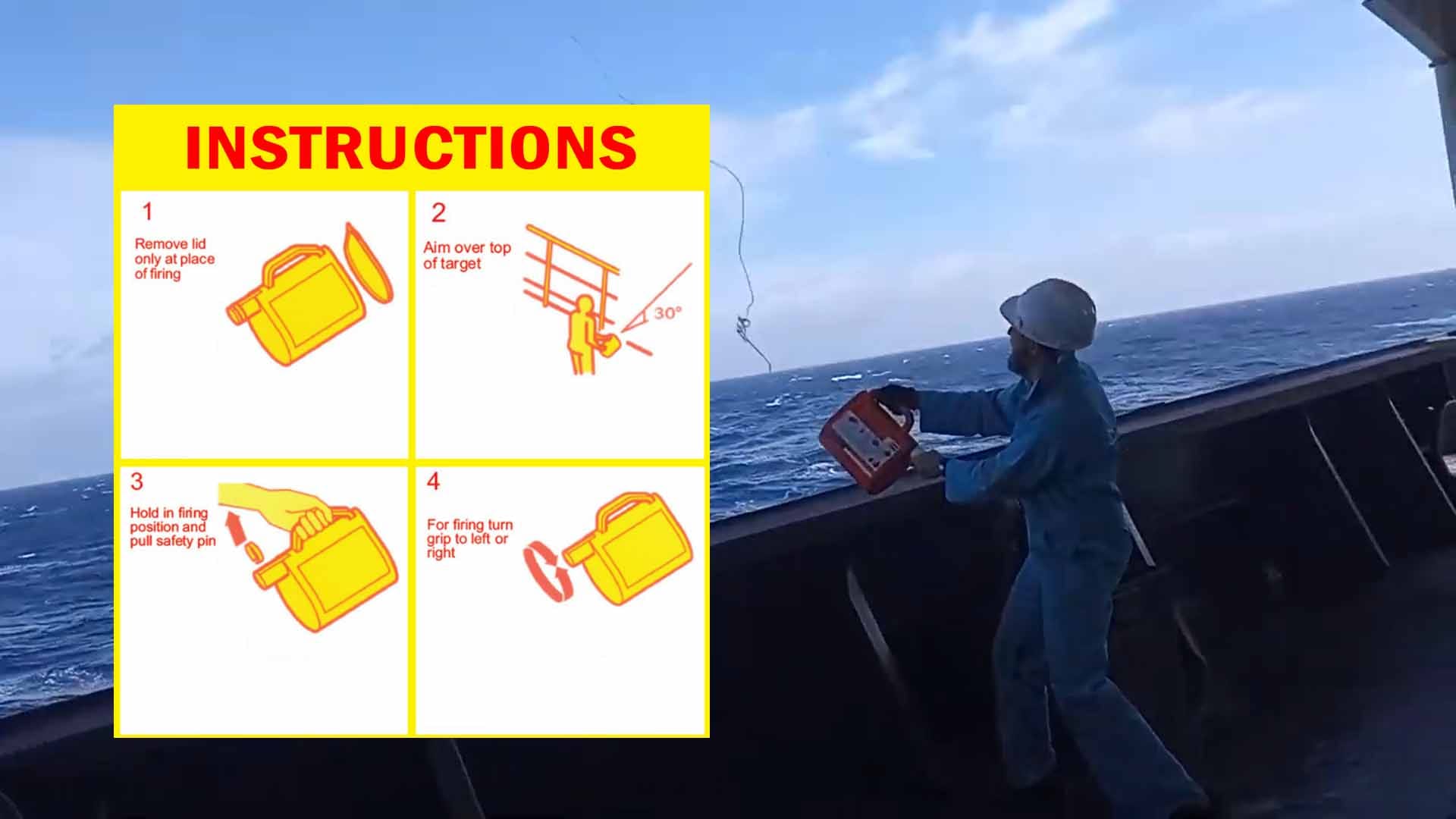
Here are the simple steps.
- Remove the lid only at the place of firing.
- Aim over at the top of the target preferably at 20 to 30 degrees above the horizon.
- Hold in the firing position and pull the safety pin.
- For firing, turn the grip to the left or right.
May the winds be in your favor.
Leave a Reply