

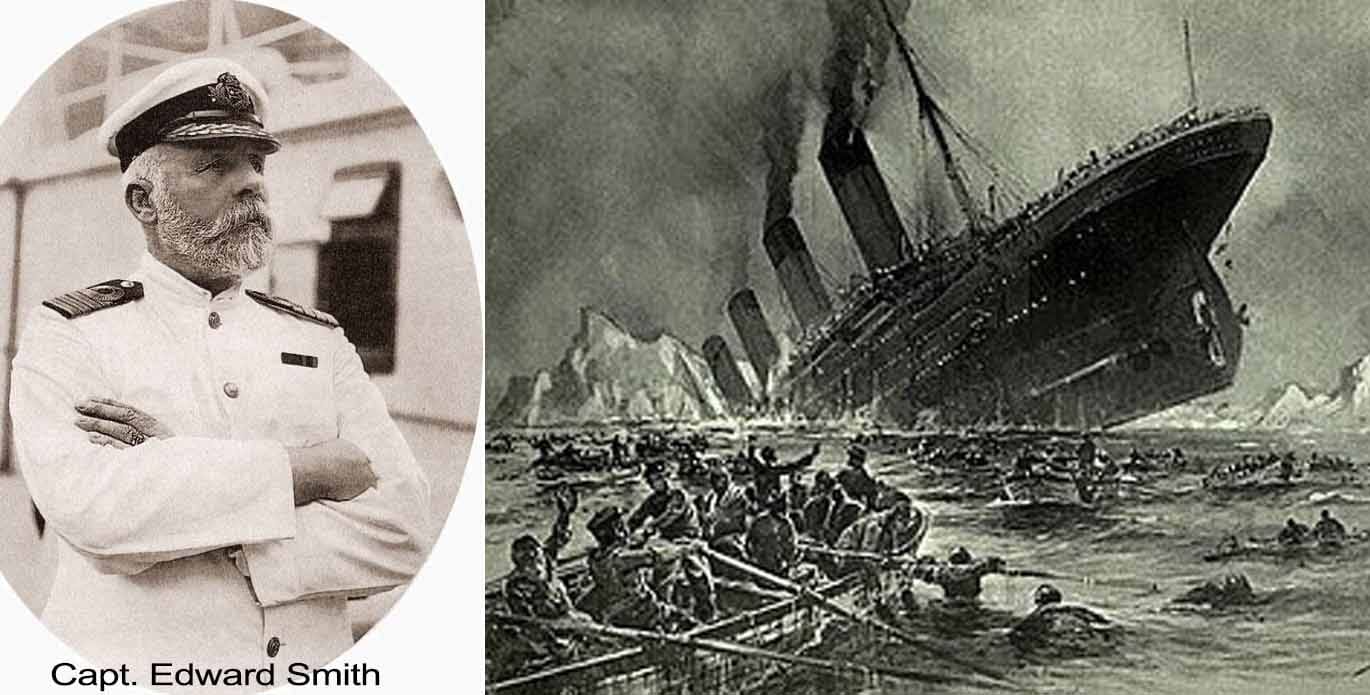
The phrase “the captain goes down with the ship” is deeply woven into maritime culture. But is it just an old-fashioned ideal or a legal expectation?
This tradition gained legendary status after the RMS Titanic disaster in 1912, where Captain Edward J. Smith was last seen on the bridge before the ship disappeared into the North Atlantic.
Since then, the image of a shipmaster sacrificing himself for his vessel and its people has captivated the public imagination.
But in today’s regulated maritime world, is a captain really expected to stay aboard until the very end?
Let’s explore the truth behind this age-old belief.
📜 Maritime Tradition: The Origins of “The Captain Must Stay”
In classical naval customs particularly those followed by the Royal Navy, the ship’s captain represented ultimate leadership and accountability.
His command was absolute, and his loyalty to the vessel and crew was considered sacred.
The unwritten rule of “women and children first” during evacuation echoes this chivalrous code, where the captain is expected to assist everyone before thinking of his own safety.
In maritime lore, abandoning a ship before ensuring the safety of all souls on board was seen as cowardice and a breach of honor.
🎬 Pop Culture Reinforcement
Films like Titanic and The Poseidon Adventure have further cemented this idea in the minds of the public, often portraying the captain as the last person seen aboard- a symbolic leader embracing his fate with dignity.
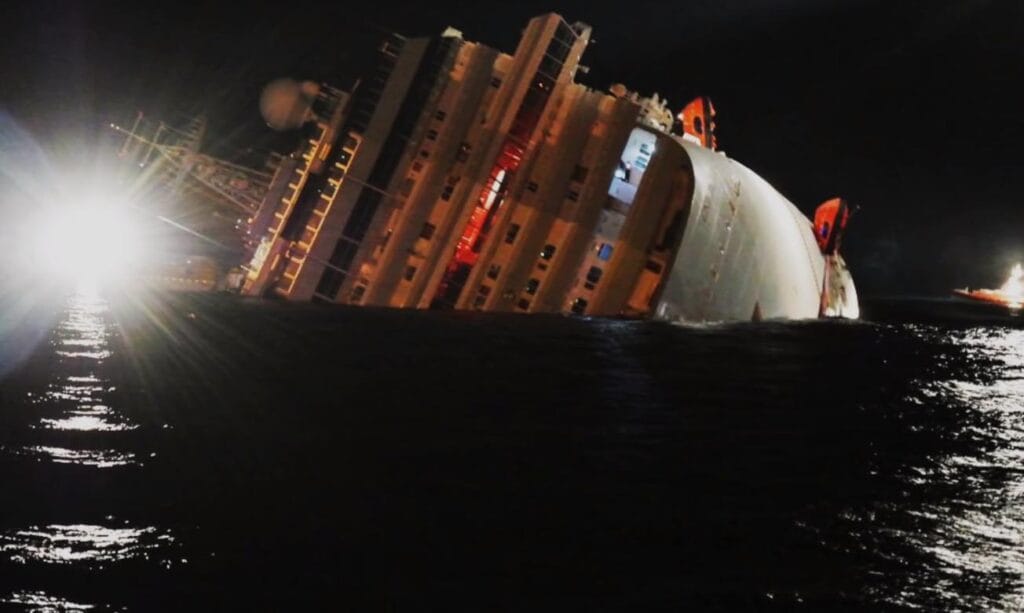
⚖️ Legal Responsibility: Is It Required by Law?
While maritime tradition is powerful, modern law dictates a clearer framework.
Under the International Convention for the Safety of Life at Sea (SOLAS) and UNCLOS (United Nations Convention on the Law of the Sea), the captain or Master is legally responsible for:
- The safety of passengers and crew
- The orderly conduct of evacuation
- Coordinating with Search and Rescue (SAR) authorities
- Ensuring that no one is left behind
Most importantly, the captain must be the last to abandon ship, if at all.
Leaving prematurely, especially if lives are still at risk, can result in criminal prosecution for gross negligence, dereliction of duty, or manslaughter.
🧭 A Captain’s Role During Emergencies
In a real-world maritime emergency, situations unfold rapidly.
Shipmasters are trained under the STCW Code (Standards of Training, Certification and Watchkeeping) to:
- Sound the alarm and initiate muster stations
- Issue abandon ship orders when necessary
- Oversee lifeboat loading and launching
- Remain in command until the last possible moment
Time is critical and so is leadership. The captain often stays aboard not out of martyrdom, but because he must ensure everyone else is safe first.
Only when evacuation is complete and no further help can be rendered should he consider leaving the ship.
🧭 “Never leave your ship until your ship leaves you.” – Traditional seafaring principle
📚 Real-Life Cases: When Captains Stayed and When They Didn’t
✅ Captains Who Stayed With Their Ships
Some masters have chosen to remain aboard during catastrophic events either out of duty, time constraints, or moral conviction.
Below are real-world examples:
| 📅 Date | ⚓ Vessel | 👨✈️ Captain | 📝 Outcome |
|---|---|---|---|
| Apr 15, 1912 | RMS Titanic | Capt. Edward J. Smith | Last seen on the bridge; perished with the ship |
| Oct 29, 2012 | HMS Bounty | Capt. Robin Walbridge | Stayed aboard during Hurricane Sandy; did not survive |
| Oct 2, 2015 | El Faro | Capt. Michael Davidson | Reported last on bridge as vessel sank in Hurricane Joaquin |
| Dec 30, 1950 | Spanish Navy Ship | Adm. Luis de Ubieta | Refused rescue and went down with his vessel |
| Oct 24, 1944 | IJN Battleship | Adm. Inoguchi Toshihira | Chose death aboard ship during the Battle of Leyte Gulf |
These captains were often the last line of support during chaotic evacuations. Some perished trying to save others.
Their actions are viewed as heroic in maritime circles.
❌ Captains Who Abandoned Ship and Faced Consequences
In contrast, other captains fled early or failed in their duty- often facing severe legal, social, and professional backlash.
| 📅 Date | ⚓ Vessel | 👨✈️ Captain | ⚖️ Outcome |
|---|---|---|---|
| Jan 13, 2012 | Costa Concordia | Capt. Francesco Schettino | Convicted of manslaughter; sentenced to 16 years |
| Apr 16, 2014 | MV Sewol (Korea) | Capt. Lee Joon-seok | Abandoned ship; sentenced to 36 years |
| June 1, 2015 | Dong Fang Zhi Xing | (Unnamed) | Left passengers behind; 442 died |
| Aug 4, 1991 | MTS Oceanos | Capt. Yiannis Avranas | Left without informing passengers; all survived via crew |
| Nov 12, 1965 | SS Yarmouth Castle | Capt. Byron Voustinas | Fled on first lifeboat; ship caught fire mid-voyage |
These cases are frequently cited in maritime law training to reinforce the ethical and legal obligations of shipmasters.
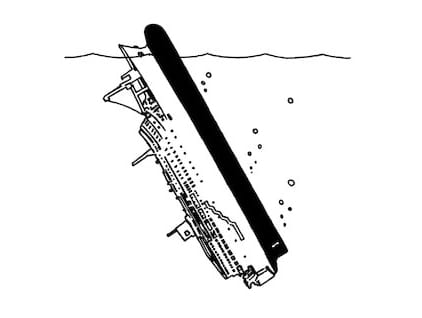
⚖️ So… Must a Captain Die With His Ship?
Not necessarily.
The modern interpretation of a captain’s duty is to preserve life- not sacrifice it unnecessarily.
The shipmaster’s primary job is to:
- Organize safe evacuation
- Assist passengers and crew until the very end
- Abandon ship only when all others are safe or when no further help can be rendered
Remaining onboard can sometimes lead to unnecessary death.
But fleeing too early, especially with lives still at stake, is a gross violation of international maritime norms.
“The captain’s place is not in the lifeboat until every effort to save lives has been exhausted.”
❓ Frequently Asked Questions (FAQ)
🔹 Is the captain legally required to stay on a sinking ship?
Yes. Under SOLAS and national maritime laws, captains are legally obligated to ensure all efforts for passenger and crew safety before abandoning ship.
🔹 Can captains be jailed for leaving their ship too early?
Yes. Premature abandonment, especially with fatalities involved, can lead to criminal charges such as manslaughter and gross negligence.
🔹 Do all countries follow the same rules?
While specifics may vary, most maritime nations align with IMO, STCW, and SOLAS guidelines. All uphold the captain’s ultimate responsibility.
🔹 Why do some captains choose to stay and others flee?
It often comes down to individual ethics, training, panic under pressure, or misjudgment.
Those who stay often act from duty; those who flee face scrutiny.
📌 Conclusion: Leadership Until the End
The saying “the captain goes down with the ship” is more than a romantic notion, it reflects the ultimate accountability of command at sea.
While not a legal death sentence, it reinforces that true leadership means staying behind to ensure others survive.
Modern maritime law supports this ethos- not to glorify death, but to protect life through courage, order, and professionalism.
A captain doesn’t need to die with their vessel but must never abandon it while lives are still in danger.
May the winds be in your favor.


Leave a Reply