

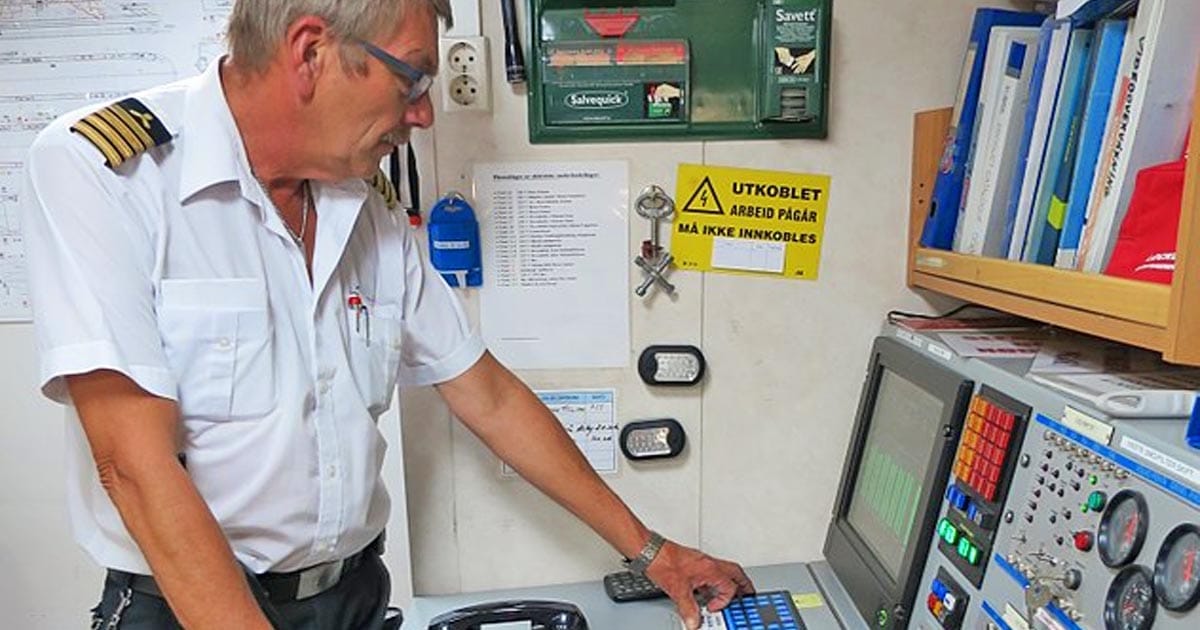
The Chief Engineer– often called the ChEng, C/E, or simply Chief, is the highest-ranking officer in the Shipboard Engineering Department.
He holds full responsibility for the operation, maintenance, and safety of all machinery systems onboard.
Reporting directly to the Master, the Chief Engineer ensures compliance with international regulations such as SOLAS, MARPOL, and the ISM Code.
⚓ Quick Summary (Key Takeaways)
- 🧑🔧 The Chief Engineer is the top authority in the engine room and ranks just below the Master.
- 🧭 He manages engine department operations, safety, fuel efficiency, and technical compliance.
- 💼 He assigns watchkeeping duties and supervises all engine crew members.
- ⛽ Monitoring fuel consumption and overseeing bunkering are core functions.
- 💰 Salaries vary by vessel type, experience, and nationality- reaching up to USD 15,000/month.
💰 Chief Engineer Salary by Vessel Type
The Chief Engineer commands one of the highest salaries onboard– second only to the Master Mariner.
However, pay scales vary significantly based on vessel type, flag state, rank experience, and nationality.
💵 Salary Breakdown (Estimated Monthly, USD)
| Vessel Type | Salary Range |
|---|---|
| LNG / LPG Carriers | $12,000 – $15,000 |
| VLCC / Tankers | $10,500 – $13,000 |
| Container Ships | $8,500 – $10,500 |
| Bulk Carriers | $7,500 – $9,500 |
| Car Carriers / RoRo | $8,000 – $10,000 |
📌 Note: Salaries also depend on company policy, market demand, crew nationality, and sailing experience.
🛠️ Primary Duties and Responsibilities
The Chief Engineer’s role is both technical and managerial.
He ensures that the machinery systems, safety protocols, and operational routines are in full compliance with the Company’s Safety Management System (SMS) and international maritime standards.
🔧 General Responsibilities
- ⛽ Cooperate closely with the Master to monitor and optimize fuel and oil consumption for safe, efficient voyages.
- 🧼 Maintain engine room housekeeping and ensure anti-pollution equipment is fully operational.
- 📢 Inform the Master promptly regarding any machinery incidents affecting maneuvering, ship stability, or safety.
- 🛠️ Conduct thorough handover inspections during crew changes especially of steering gear, boilers, workshops, and stores.
- 📚 Read, understand, and apply all operational procedures under the Company’s Management System.
- 🗂️ Be familiar with the location of all manuals, plans, spares, and tools in the engine room.
- 🧑🏫 Oversee newcomer familiarization per the company’s checklist, including safety and machinery orientation.
🛡️ Engine Room Safety Duties
The Chief Engineer is directly accountable for enforcing engine room safety protocols under international and company-specific regulations.
These practices ensure the safety of both crew and equipment.
✅ Key Safety Responsibilities
- Implement safe working practices as per the Company Safety Manual, ISM Code, and Emergency Procedures.
- Lead engine room safety meetings with engineering staff and the Master to review hazards and risk controls.
- Enforce use of personal protective equipment (PPE) and maintain updated Standing Instructions.
⚙️ Machinery Operation and Maintenance
At the core of the Chief Engineer’s duties is ensuring the reliable and efficient operation of all machinery systems onboard.
🔩 Machinery Under His Supervision
- Main Engines and Auxiliary Generators
- Steering Gear and Deck Machinery (in coordination with Chief Officer)
- Boilers, Air Conditioning, and Refrigeration Units
- Inert Gas System (if applicable), Electric Motors, and Distribution Panels
- Pumps, Compressors, and Hydraulic Equipment
🛠️ Maintenance Responsibilities
- Operate and maintain all machinery as per manufacturer’s recommendations and PMS (Planned Maintenance System).
- In emergencies, override manufacturer guidelines only when absolutely necessary for ship safety.
- Plan and assign daily maintenance routines in coordination with the Second Engineer.
- Keep detailed records in the Crew Overtime Book and maintenance logs.
- Report major defects, overdue items, and planned actions to the Technical Department ashore.
⛽ Bunkering and Fuel Management
Bunkering is a high-risk and critical task onboard.
The Chief Engineer ensures fuel sufficiency and safe bunkering procedures.
🛢️ Bunkering Duties
- Forecast bunker, lubricant, and freshwater needs based on voyage plan and consumption trends.
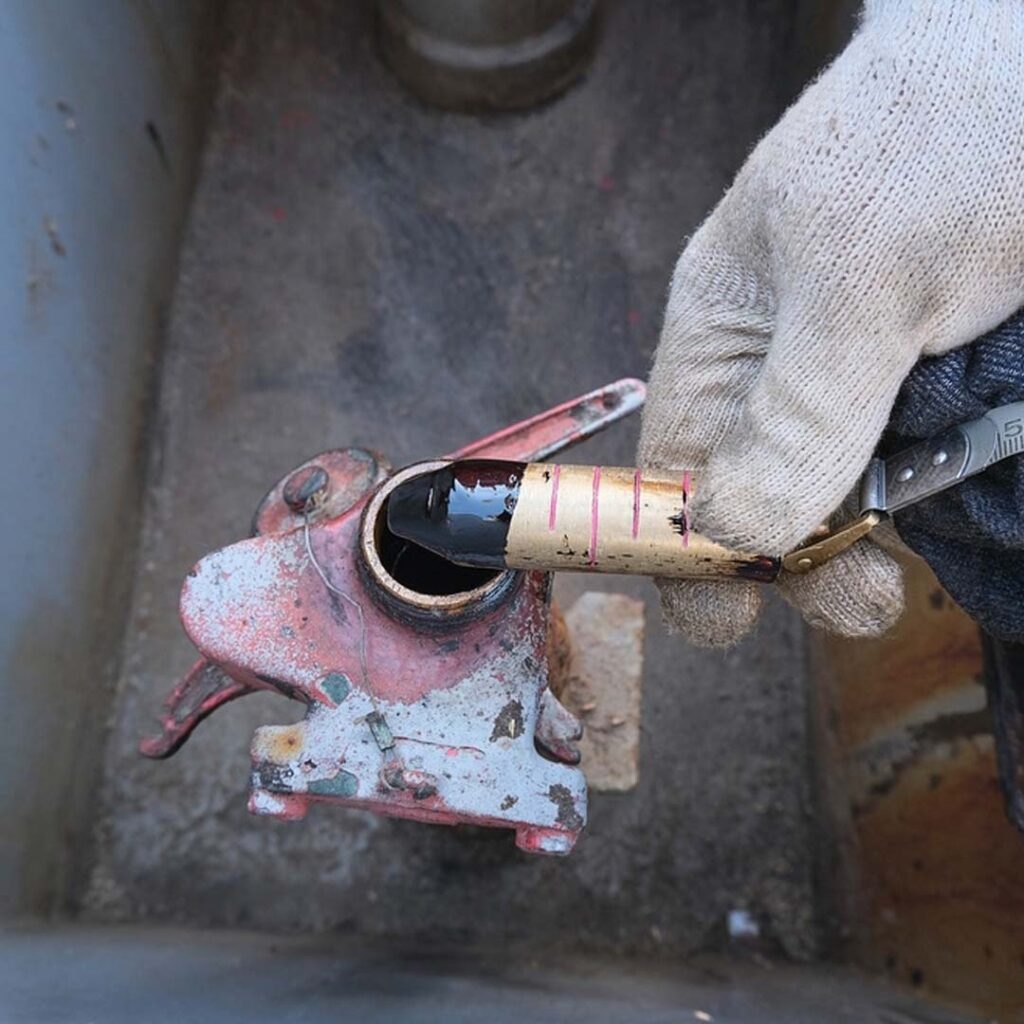
- Supervise bunkering operations and ensure compliance with SOPEP and MARPOL Annex I to prevent pollution.
- Coordinate with deck department to avoid spills during oil transfer operations on deck and in the engine room.
📂 Technical Administration and Documentation
The Chief Engineer acts as the technical administrator of the engine department, ensuring documentation, inventories, and compliance checks are up to date.
📘 Recordkeeping Tasks
- Maintain engine room inventory of spares, stores, and manuals.
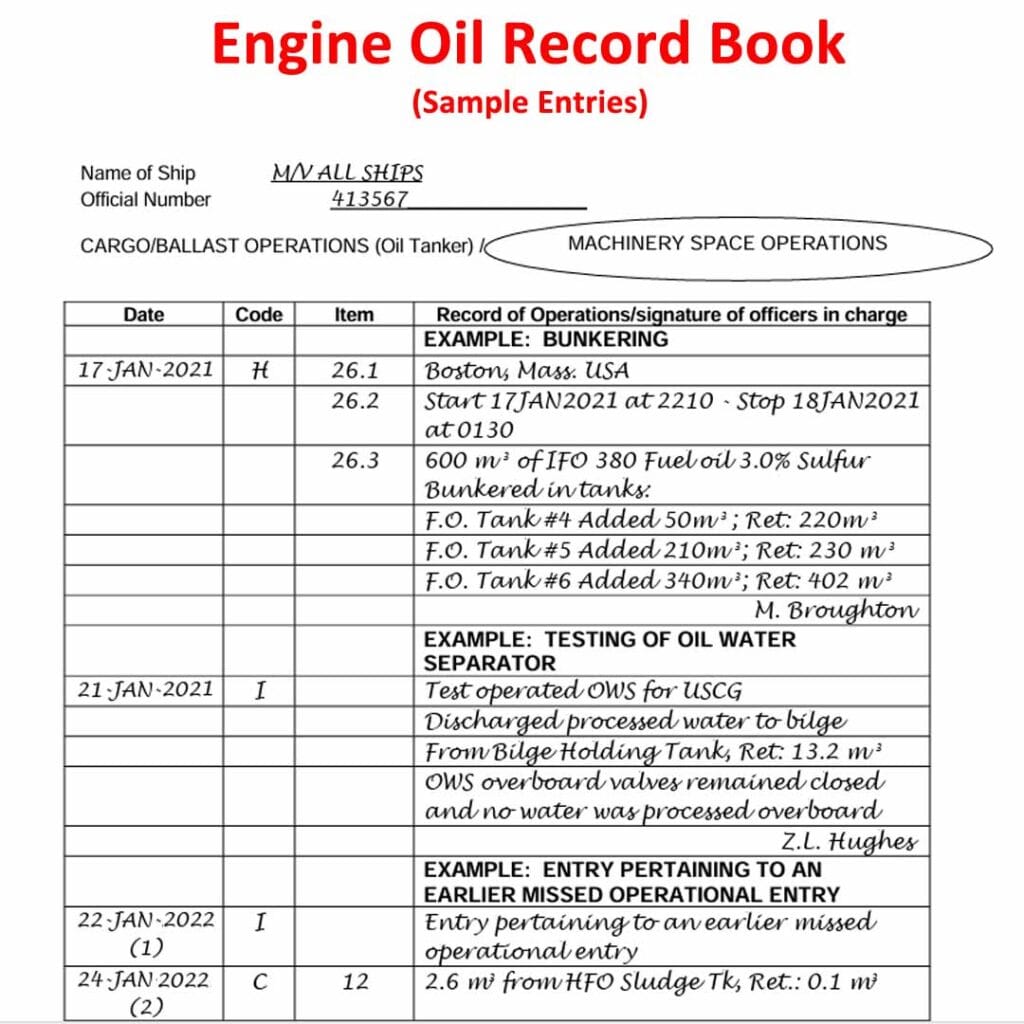
- Endorse entries in the Engine Logbook and Oil Record Book (ORB).
- Update the Planned Maintenance System (PMS) and ensure timely inspection of critical machinery.
- File and secure technical publications, drawings, and manufacturer manuals.
👨🔧 Crew Management and Watchkeeping
Leadership is a major component of the Chief Engineer’s role. He manages the entire engine crew and assigns watchkeeping schedules.
🧑🏭 Leadership Responsibilities
- Assign and rotate engineering watchkeeping duties based on experience and vessel schedule.
- Organize staff for routine maintenance, and emergency responses.
- Supervise junior officers and oversee the technical familiarization of all new engine staff.
⚖️ Compliance and Additional Electrical Duties
The Chief Engineer must ensure machinery compliance with international standards while managing electrical systems on vessels without an electrician.
- Ensure all machinery meets Class, Flag State, and ISM Code requirements.
- Maintain ORB entries for inspections and audits.
- On ships without an electrician:
- Delegate basic electrical jobs to engineers.
- Request shore-based assistance when necessary.
- Maintain inventory and safe storage of electrical spares.
🧭 Who Has the Higher Rank- Captain or Chief Engineer?
Although both are department heads and top-tier officers onboard, the Captain (Master) holds higher legal authority and overall command of the ship.
The Chief Engineer reports to the Master, especially on matters involving machinery performance and operational safety.
However, the salary gap is minimal:
| Rank | Approx. Salary (USD/month) |
|---|---|
| Captain | $12,500 – $15,000 |
| Chief Engineer | $12,000 – $15,000 |
🧠 Fun Fact: Many Chief Engineers enjoy fewer administrative headaches than Captains- yet shoulder immense technical responsibility.
❓FAQs About Chief Engineers
✅ What is the highest position in the engine department?
The Chief Engineer is the head of the engine department and oversees all technical operations.
✅ Do Chief Engineers have authority over the Master?
No. The Master (Captain) has the highest authority on board. The Chief Engineer reports to the Master regarding machinery, safety, and fuel performance.
✅ What license does a Chief Engineer need?
A valid STCW Chief Engineer Certificate of Competency for the appropriate engine power and vessel types.
✅ How many years to become a Chief Engineer?
It typically takes 8–12 years of progressive maritime experience from cadetship to reach the Chief Engineer level.
⚓ Conclusion: Is Becoming a Chief Engineer Worth It?
Absolutely!
For marine engineers aspiring to leadership, technical mastery, and financial rewards, the Chief Engineer position offers a fulfilling career path.
It blends high-level responsibility, safety oversight, and shipboard management with a salary that ranks among the best at sea.
📈 Whether you’re a cadet planning your path or a 2/E aiming higher, the Chief Engineer role is the pinnacle of your engine department journey.
May the winds be in your favor.
Leave a Reply