
Our Blog
-
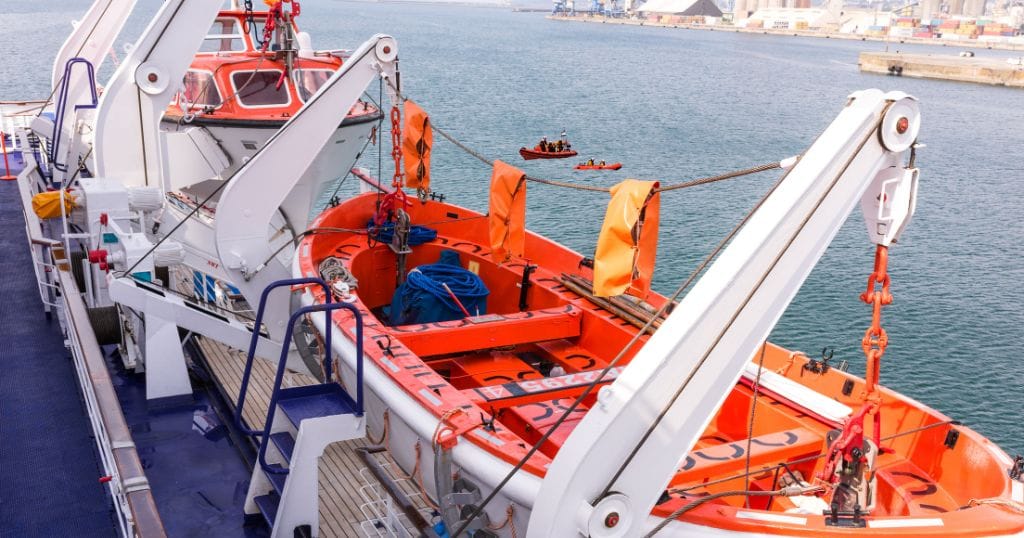
📢 Life-Saving Appliances on Ships: Complete Guide to Mandatory LSAs
When it comes to maritime safety, life-saving appliances (LSAs) are non-negotiable. These critical systems protect lives during shipboard emergencies- whether you’re on a tanker, bulk carrier, container ship, or passenger vessel. Every seafarer must be familiar with these devices, which are mandatory under SOLAS Chapter III and governed globally by the IMO’s Life-Saving Appliance (LSA)…
-
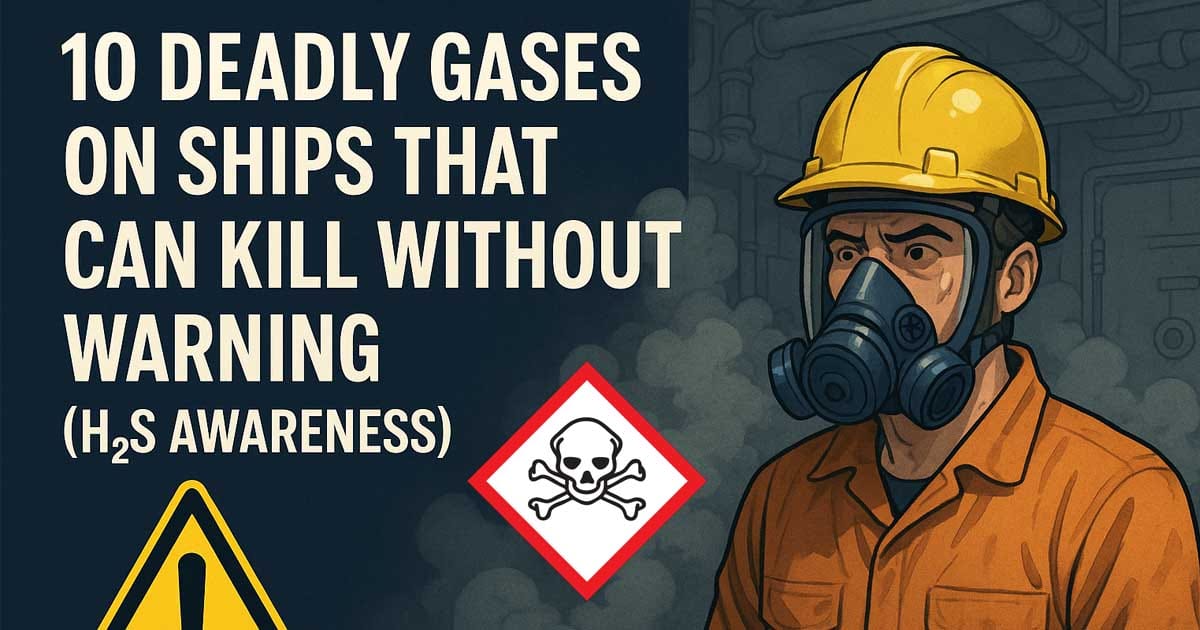
⚠️ 10 Deadly Gases on Ships That Can Kill Without Warning
Toxic gases are among the deadliest, silent threats on board merchant vessels. Unlike fatigue or depression, which build over time, dangerous gases can incapacitate or kill within seconds- often without warning. You may be working inside what looks like a normal paint locker, tank, or pump room… but invisible killers could be lurking. And it’s…
-
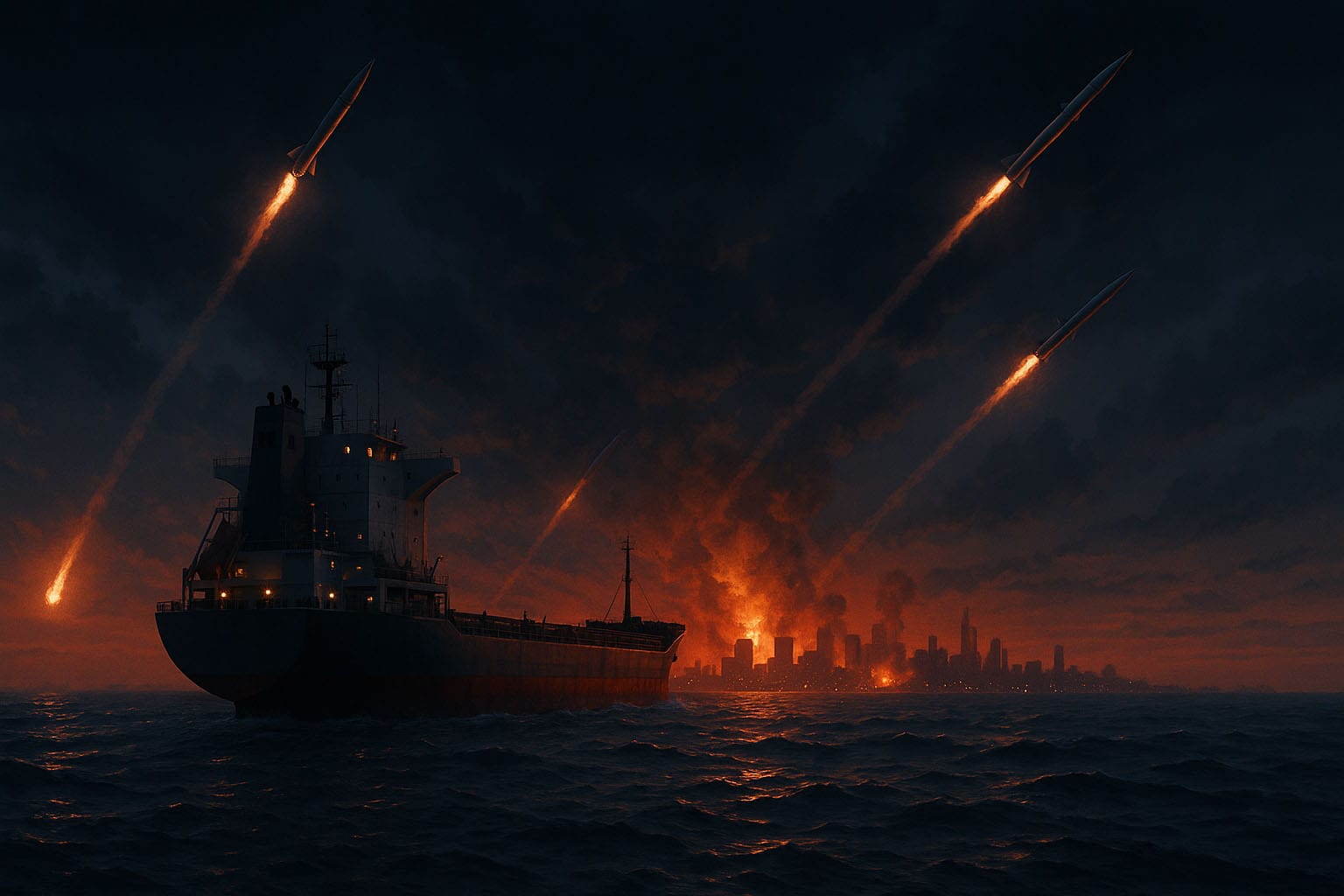
Seafarers’ Survival Guide: What To Do When Sailing Near Warzones
The maritime world continues to face high-risk navigation zones due to ongoing conflicts. The Russia–Ukraine war, which escalated into a full-scale invasion in February 2022, and the rising tensions between Israel and Iran, have made areas like the Black Sea, Eastern Mediterranean, and the Persian Gulf especially dangerous for commercial shipping. Despite these threats, seafarers…
-
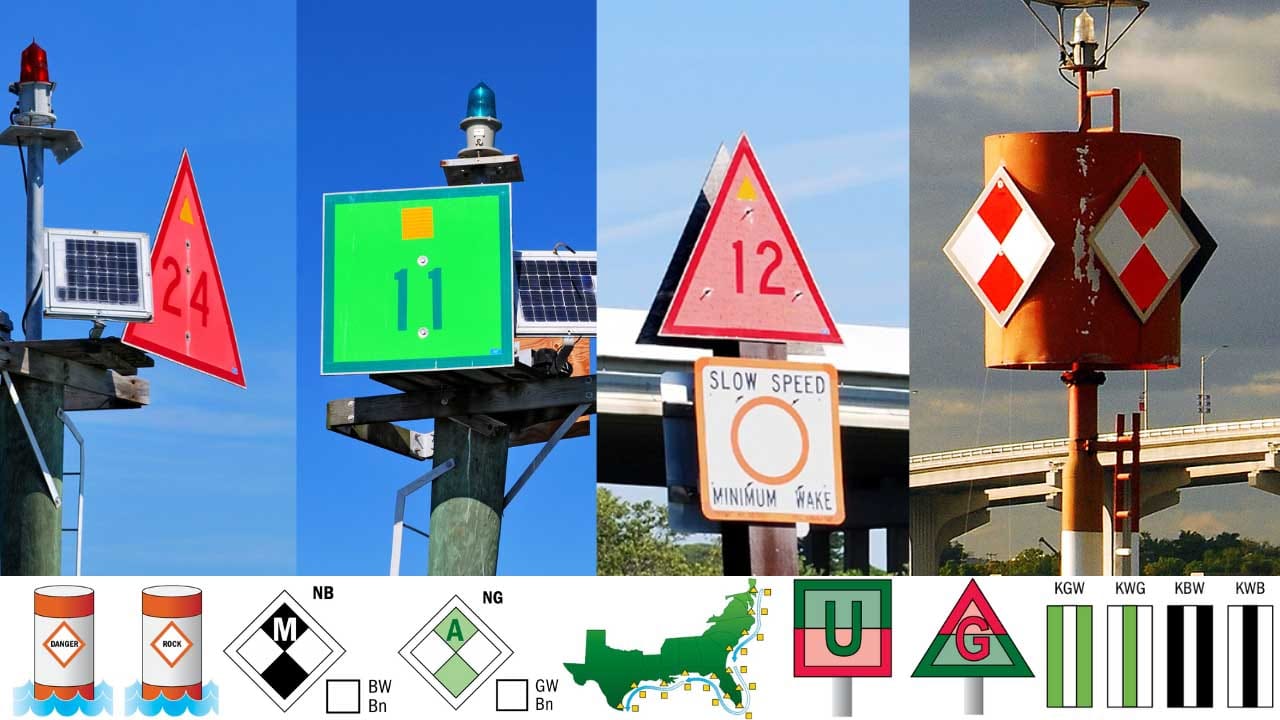
🇺🇸 U.S. Buoyage System: 8 Differences Not Found in IALA-MBS
The IALA Maritime Buoyage System (IALA-MBS) standardizes aids to navigation (AtoNs) globally under Region A and Region B. Most countries align with this system, but the United States operates its own buoyage system with unique practices and deviations. Some of these differences directly contradict IALA standards, posing a risk to international mariners unfamiliar with U.S.…
-
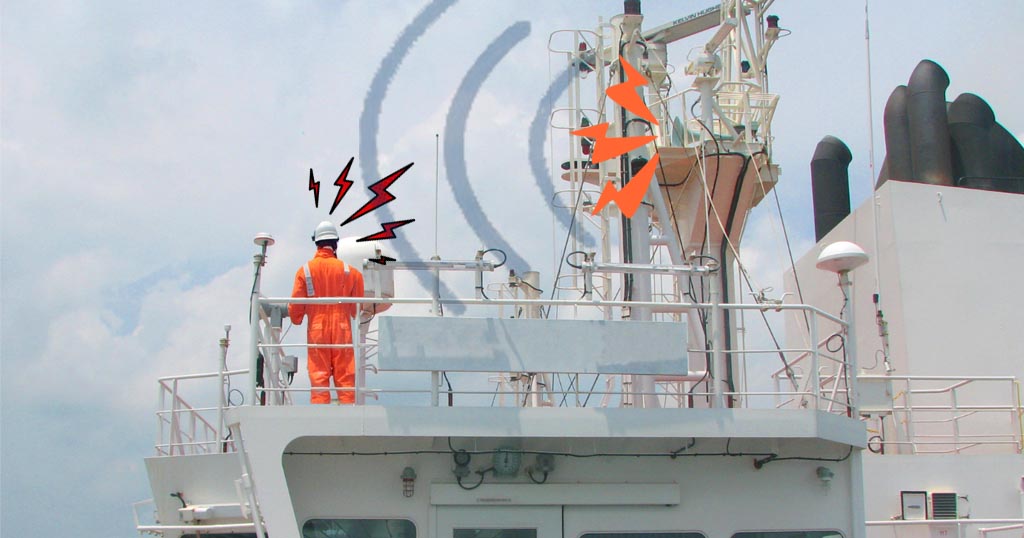
Ship’s Crew Got Blasted by the Fog Horn
Ever been startled so badly your heart jumped into your throat? Imagine that feeling multiplied by a thousand, delivered by a ship’s foghorn blasting a few meters from you. Yeah, that happened to one unlucky crew member on a particular voyage. What started as a routine paint job on the “monkey island” (that deck above…
-
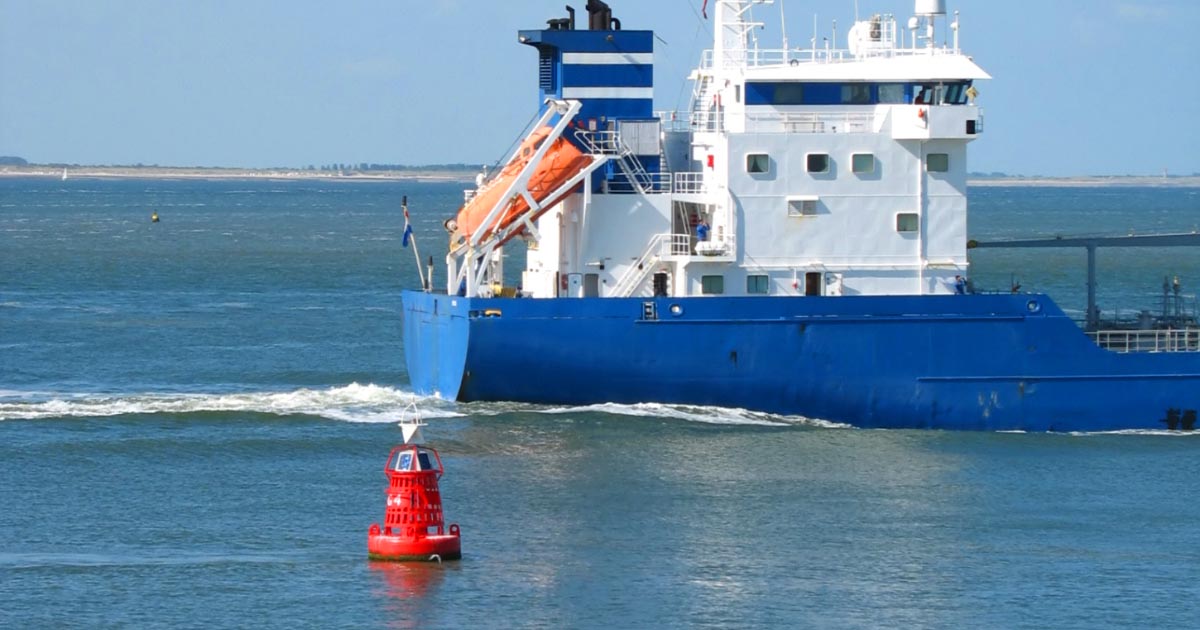
🎯 Can You Use Floating Aids to Navigation for Position Fixing?
Short answer: Only with caution! Never as your primary fix method. Floating aids to navigation, such as buoys, lightships, ODAS buoys, and light floats, are not fixed objects. Though they are anchored, they can shift position due to weather, currents, or maintenance delays. This makes them unreliable for precise position fixing. That said, in certain…
-
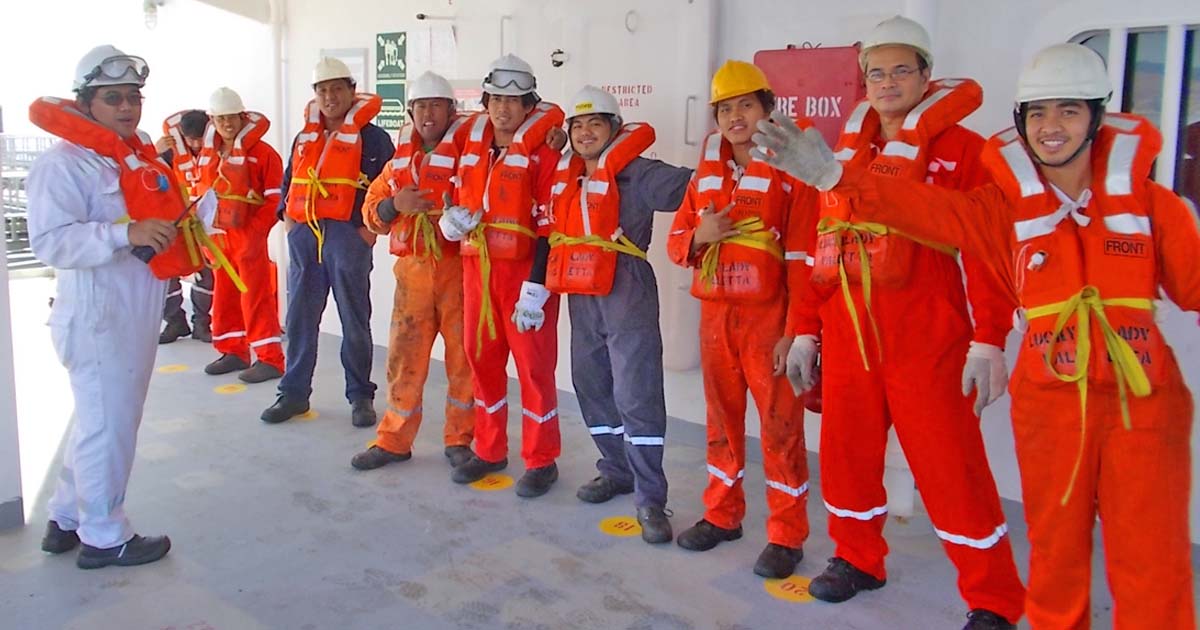
Top 10 Ranks of Filipino Seafarers Working on International Ships
The Philippines stands as the global leader in supplying maritime manpower, with Filipino seafarers renowned for their skills and dedication. Among the approximately 100,000 merchant ships navigating the world’s oceans, Filipino seafarers play a crucial role in various capacities. But what specific ranks and skills do these seafarers hold? In this detailed article, we’ll explore…
-
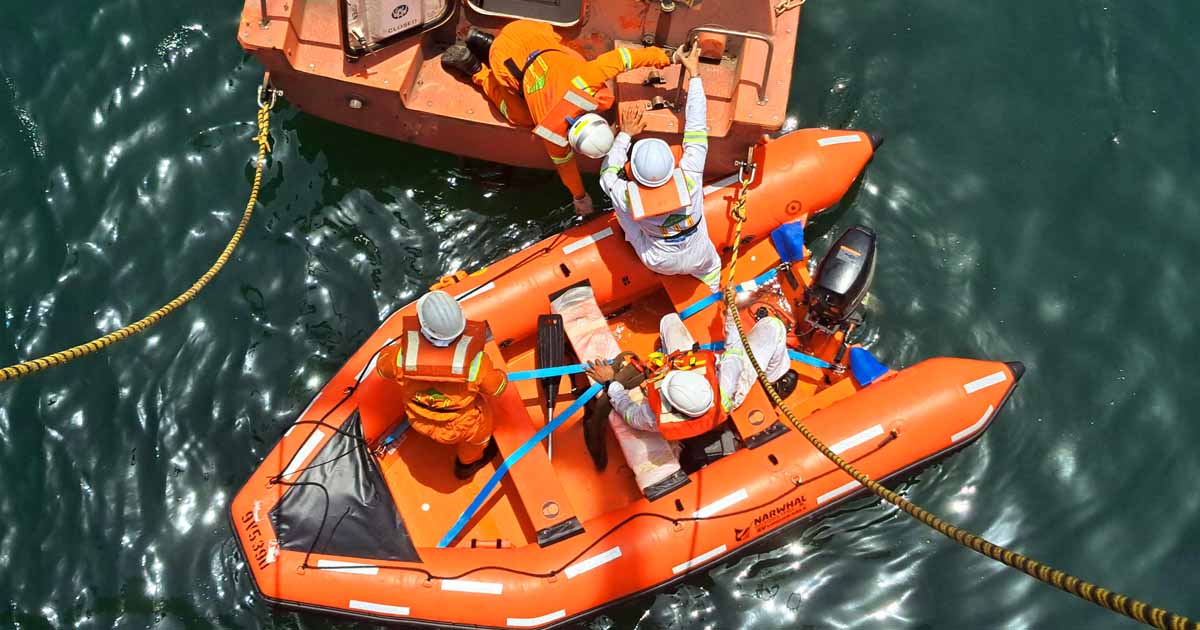
116 USCG-Approved Training Centers in the United States
The United States Coast Guard (USCG) maintains a comprehensive list of training centers authorized to conduct STCW courses for seafarers. These centers, located across various states, meet USCG standards to ensure high-quality maritime training. USCG-approved training centers play a vital role in maintaining safety and competency in the maritime industry. If you’re looking to enhance…
-
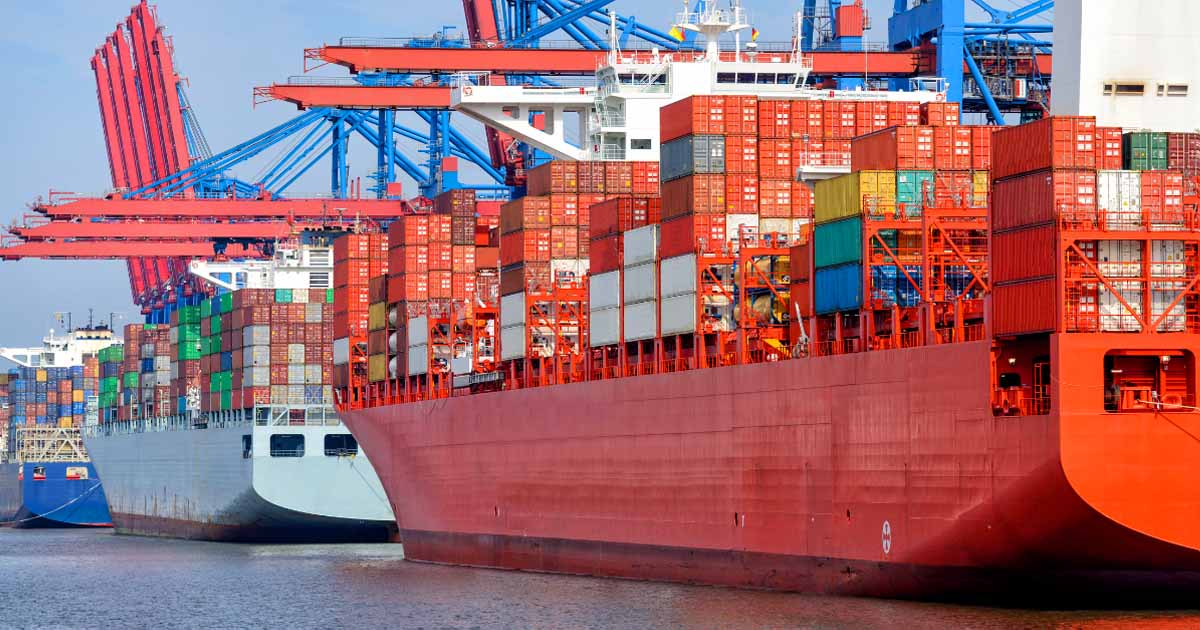
🛳️ Different Types of Dry Cargo Vessels Explained
Dry cargo ships are merchant vessels designed to transport solid, non-liquid goods across oceans and inland waters. These include unpackaged or packaged cargoes such as coal, grains, machinery, vehicles, electronics, steel, and timber– materials that power global industries and everyday life. In fact, much of what you see at home- your furniture, food items, or…
-
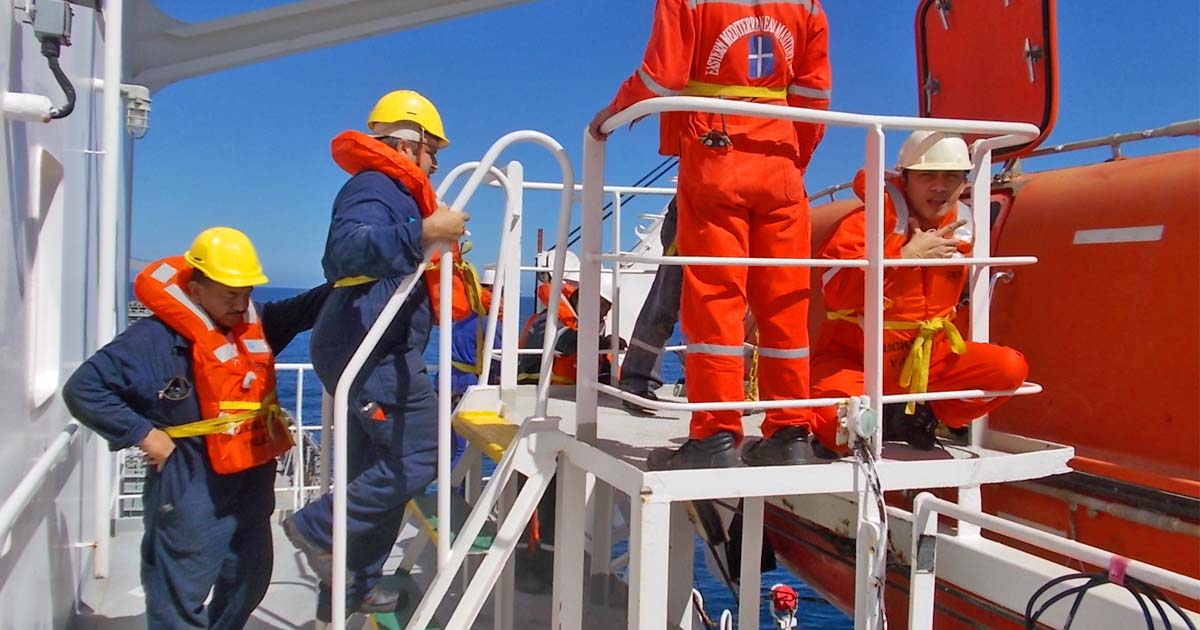
Crew Familiarization 24 Hours & 14 Days After Signing-on
Shipboard familiarization is one of the first tasks newly signed-on crew members must complete upon joining a vessel. Within 24 hours of embarkation, the initial familiarization process ensures they understand essential safety procedures on board. Over the next 14 days, a more in-depth familiarization takes place for a thorough understanding of their roles, ship procedures,…