
Our Blog
-
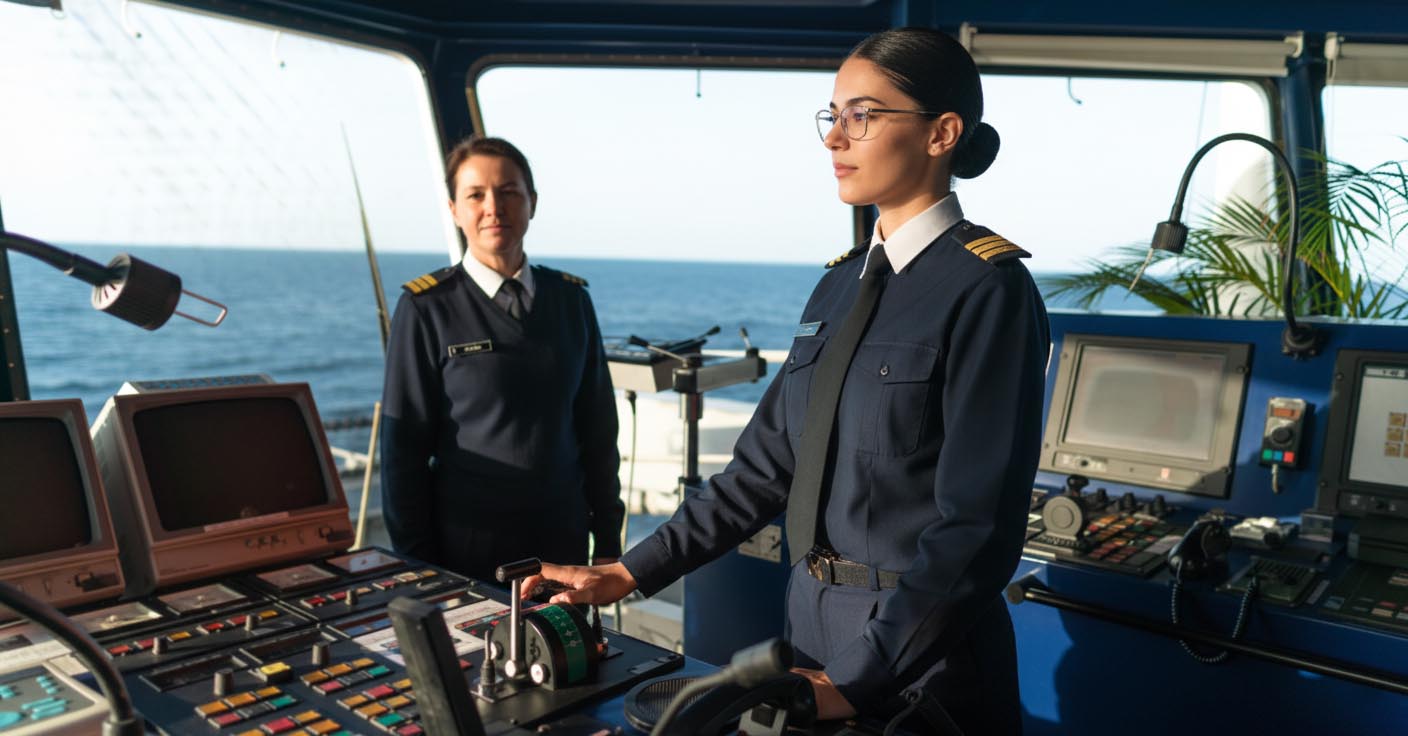
👩🏻 Women in Maritime Ranks: Barriers, Success Stories, What Companies Look For
Women account for just 1.2% of the global seafarer workforce, according to the Global Maritime Trends 2050 by Lloyd’s Register. While diversity in shipping has been a recurring theme in industry discussions, most conversations are broad and rarely focus on what truly matters- the progression of women through maritime ranks. Looking at the career ladder…
-
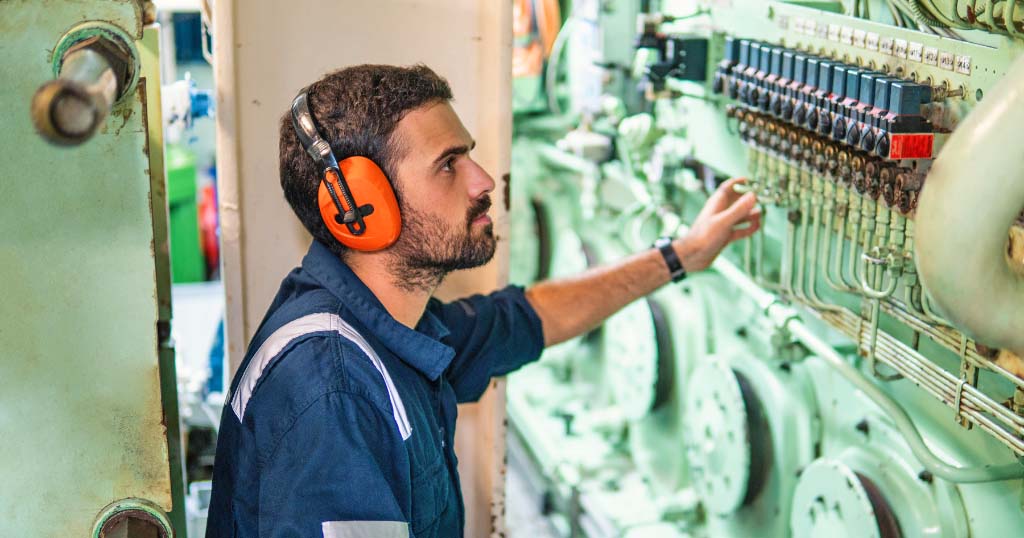
🚨 Critical Equipment on Board: Your Guide to Shipboard Systems, Failures, & Future-Proofing
Maritime operations depend on equipment that cannot fail without putting lives, cargo, or the environment at risk. According to Allianz’s Safety and Shipping Review 2024, machinery damage and technical failures account for 56% of all shipping incidents worldwide, making equipment integrity the single largest risk driver. The IMO has responded with new implementation outputs under…
-
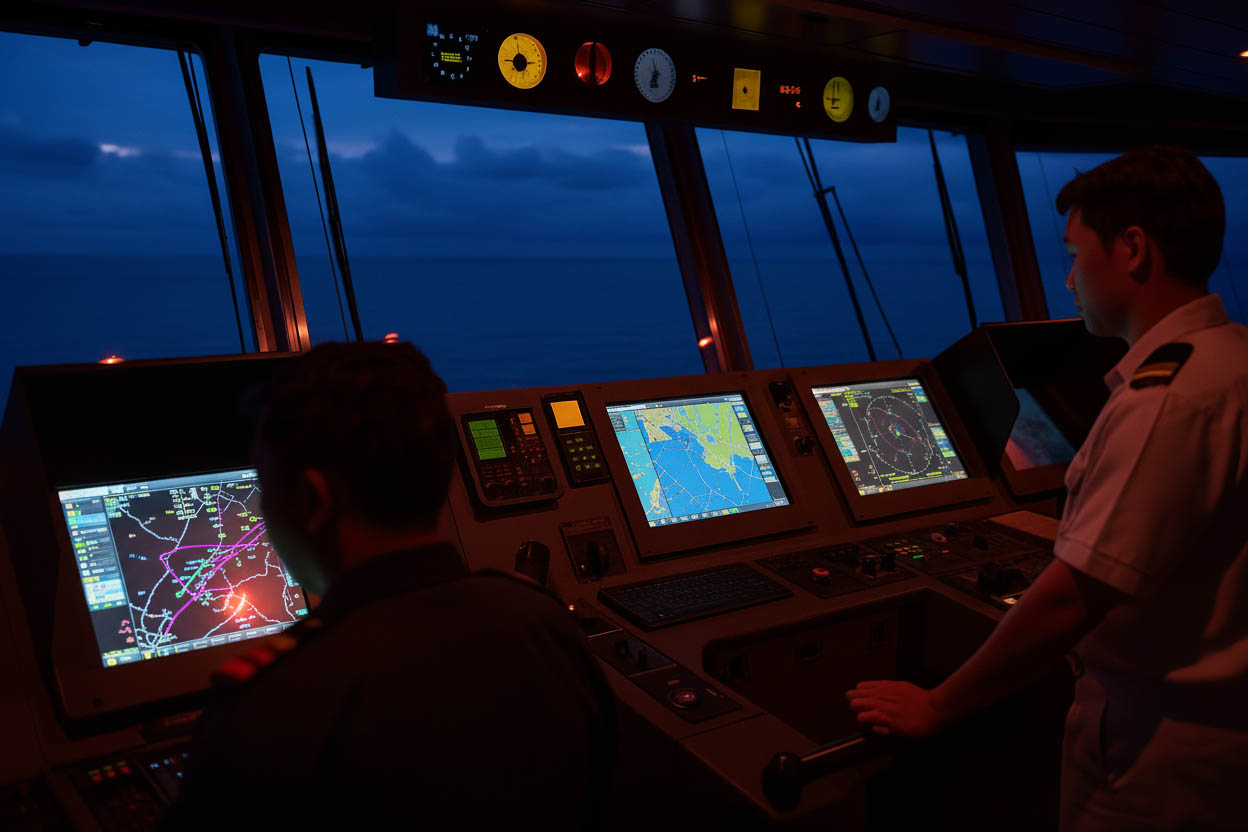
👨🏼💻 What If Your ECDIS Fails? A Mariner’s Guide to Bridge Contingency & Redundancy
The Electronic Chart Display and Information System (ECDIS) has become the backbone of modern navigation. Yet, despite its reliability, no system is immune to failure. Imagine approaching a congested traffic separation scheme, and suddenly, your ECDIS screen goes black. In that moment, your ability to respond quickly determines whether the situation remains a minor inconvenience…
-
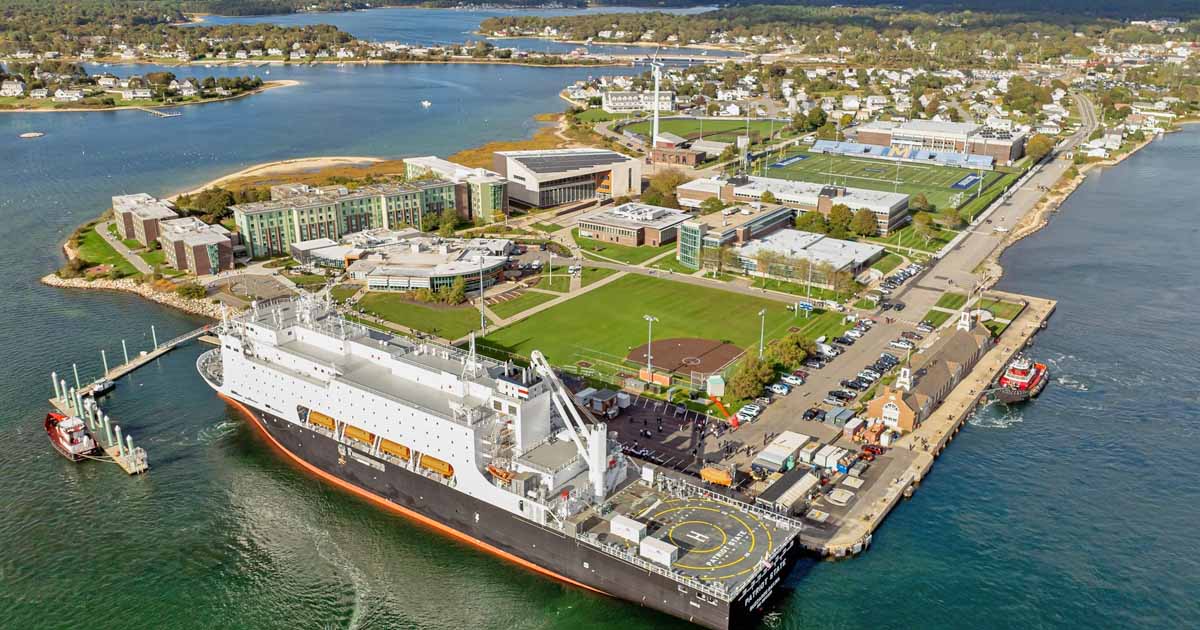
🌍 Top 11 Maritime Universities in the World
Looking for the best maritime universities in the world in 2025? ⚓ Whether you’re aiming to become a deck officer, marine engineer, naval architect, or maritime lawyer, choosing the right academy will define your career. 👉 The best maritime university in the world in 2025 is the World Maritime University (WMU) in Sweden, founded by…
-
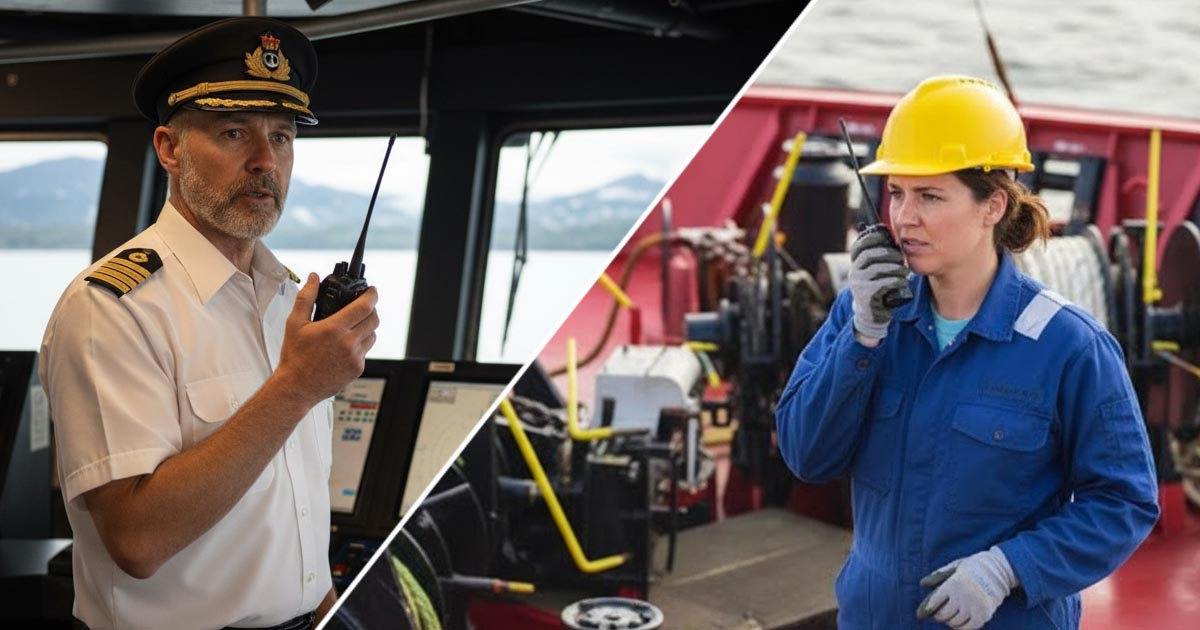
⚓ Anchoring Communication Guide for Bridge and Anchor Party
Anchoring a vessel is one of the most critical seamanship operations. Success depends on clear, precise, and standardized communication between two teams: the Bridge Team and the Anchor Party (forecastle team). A simple misunderstanding can escalate into a dangerous incident- such as anchor dragging, chain damage, or loss of control. This guide explains the protocols,…
-
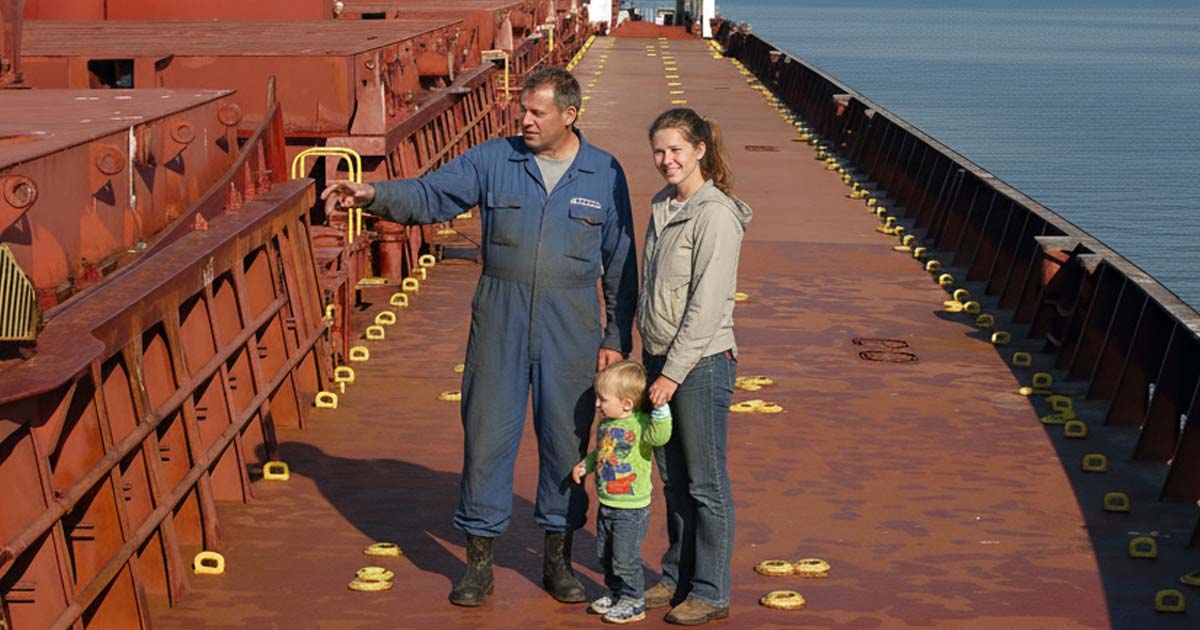
🤔 Would You Encourage Your Child to Pursue a Career at Sea? Seafarers Weigh In
The global maritime industry powers over 80% of international trade, but fewer young people are choosing a career at sea. Many parents- especially those who are seafarers themselves, face a tough decision:Should they encourage their children to pursue the same path or steer them toward opportunities ashore? This article analyzes insights from a comprehensive seafarer…
-
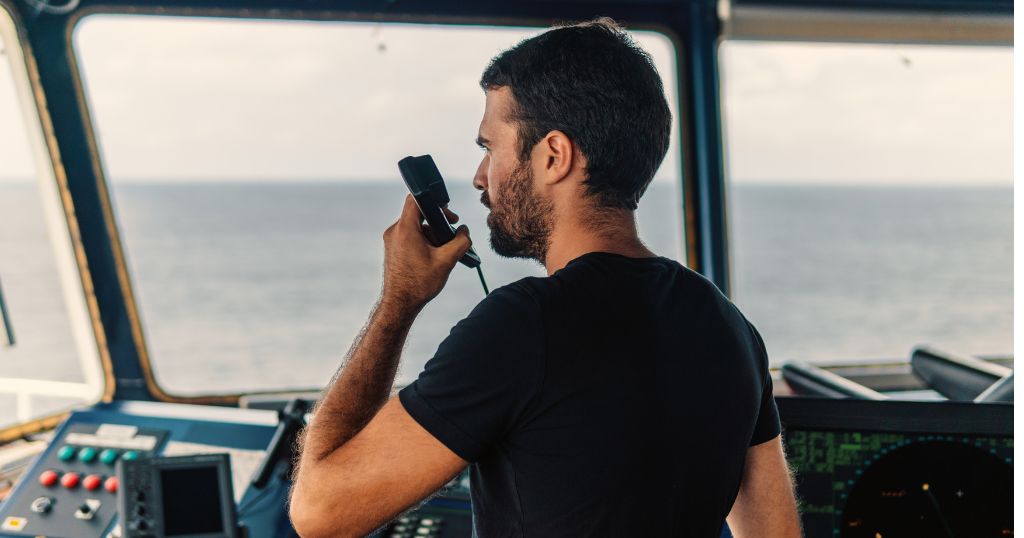
📞 How to Call a VTS Station – VHF Radio Procedures for Seafarers
Clear and accurate VHF communication with a Vessel Traffic Service (VTS) is essential for safe navigation, smooth port operations, and compliance with IMO and SOLAS regulations. Whether you’re entering a busy traffic lane, reporting your position, or requesting pilot instructions, following the correct procedure ensures safety and efficiency. This guide explains how to call a…
-
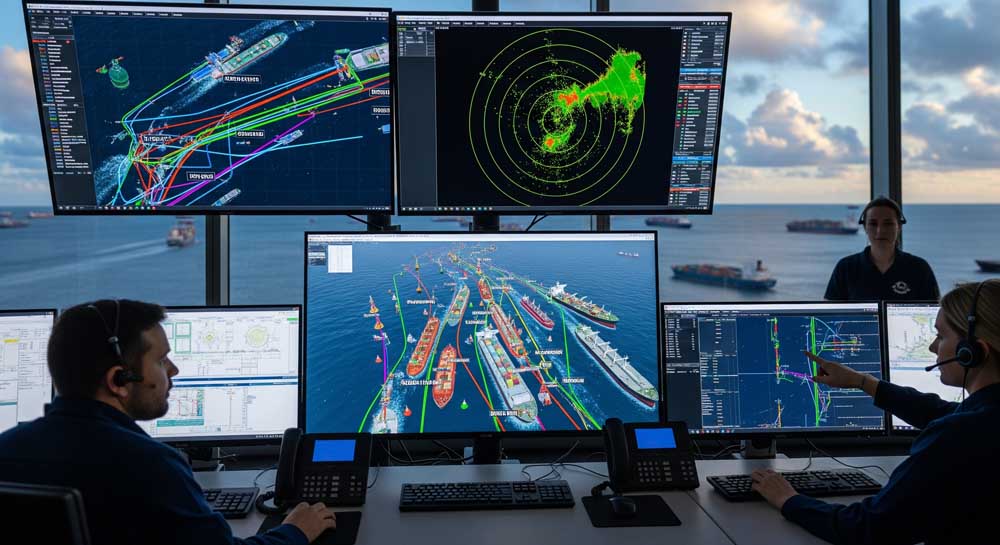
🚦 What is a VTS? A Seafarer’s Guide to Vessel Traffic Services
In today’s busy shipping lanes, thousands of ships cross congested waters, narrow straits, and high-risk areas every day. To keep navigation safe and efficient, Vessel Traffic Services (VTS) play a vital role in monitoring, coordinating, and managing vessel movements. For deck officers, cadets, and masters, understanding VTS operations is essential for complying with international regulations,…
-
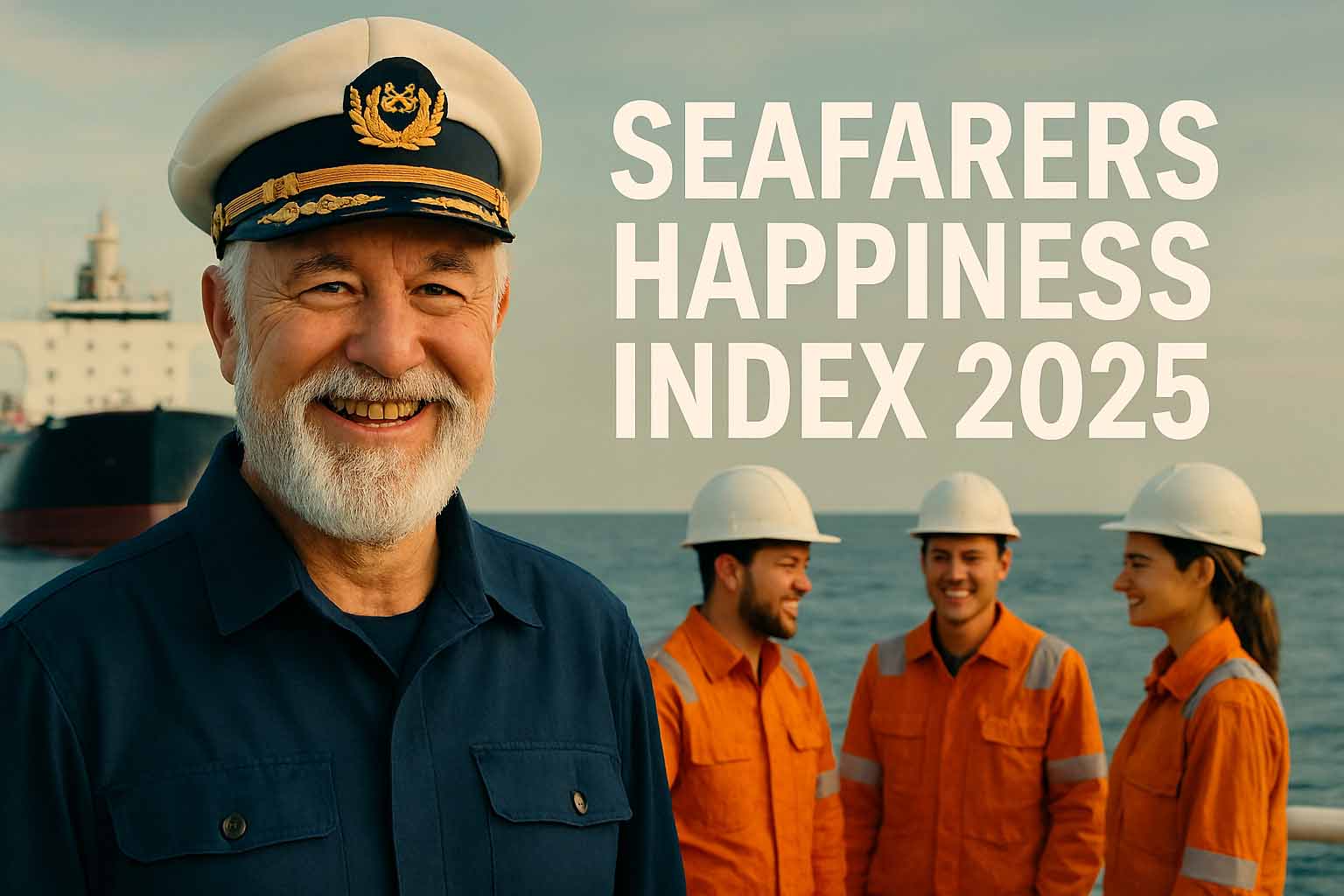
📊 Seafarers Happiness Index 2025 (Q2): Who’s Really Happy at Sea?
The Seafarers Happiness Index (SHI) has been tracking crew welfare for a decade, offering the industry’s clearest view of life at sea from the people who live it. The latest Q2 2025 results show an industry making modest but meaningful progress, though key pain points like shore leave, workload, and gender disparity, still demand urgent…
-
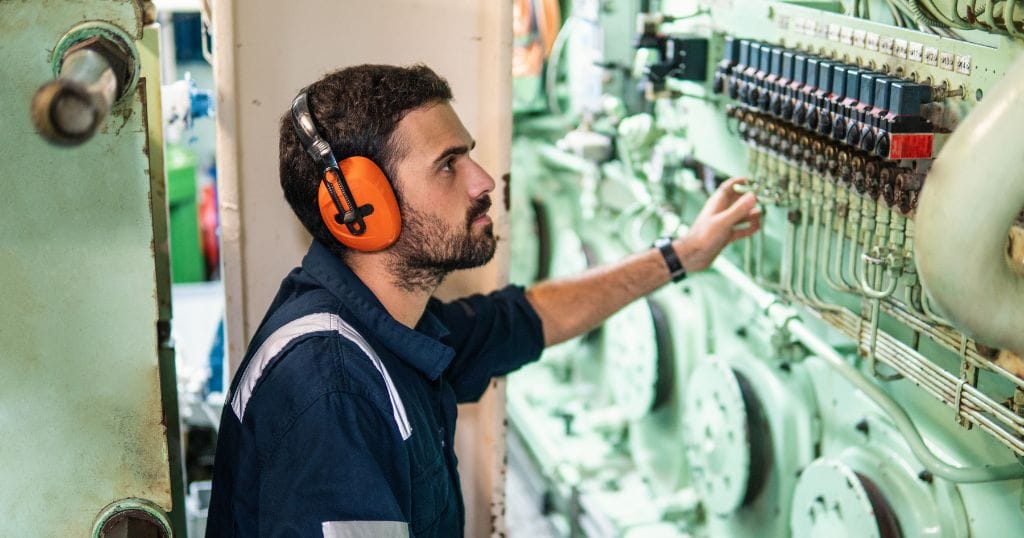
⚙️ Second Engineer Duties and Responsibilities: Complete Guide
The Second Engineer (also known as the First Assistant Engineer in some countries like the U.S.) is a licensed senior officer responsible for the daily operation, maintenance, and safety of all machinery and technical systems aboard a vessel. Reporting directly to the Chief Engineer, they ensure optimal engine room performance while managing engine crew and…