
Our Blog
-
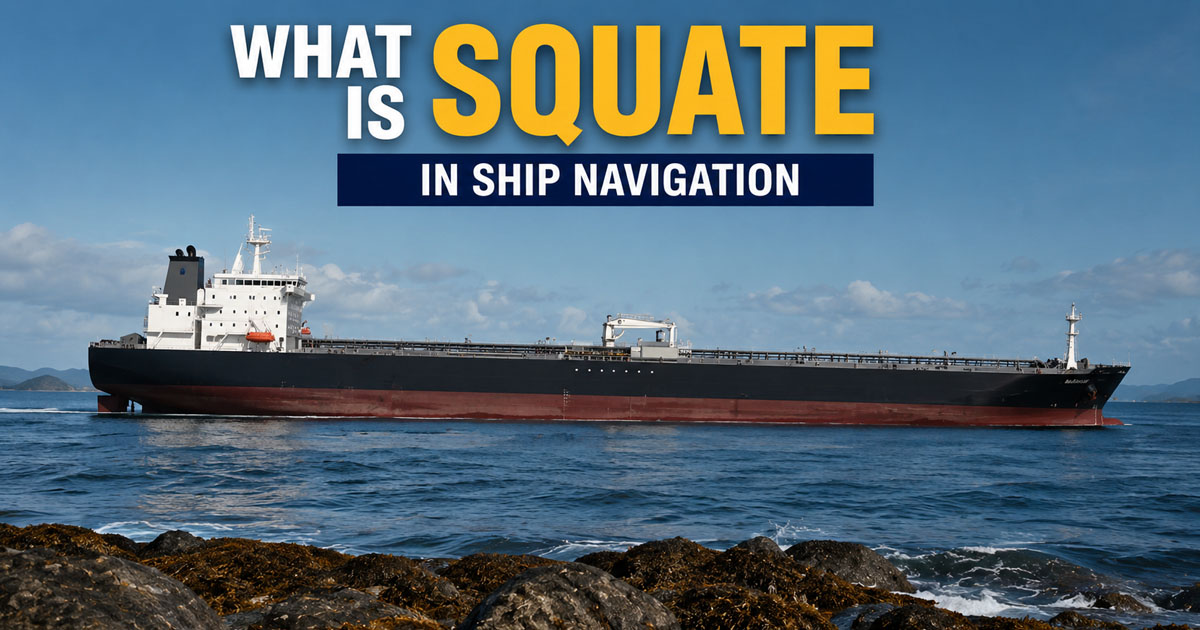
⚓ What Is Squat in Ship Navigation? Formula, Causes, & UKC Standards Explained
Squat is the increase in a ship’s draft caused by hydrodynamic sinkage as speed increases in shallow or restricted water. Squat can double in shallow water compared to open water, and it directly affects Under Keel Clearance (UKC) — the safety margin between a ship’s keel and the seabed. The basic formula for squat: Water…
-
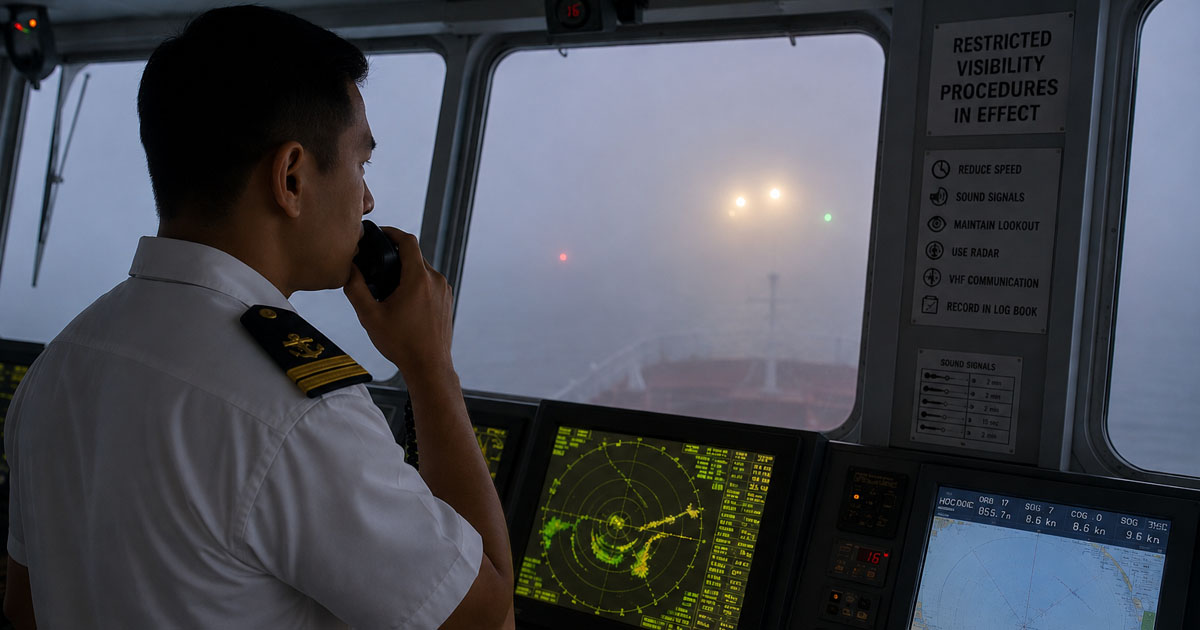
Restricted Visibility Checklist: What to Do When Your Ship Enters Restricted Visibility
When restricted visibility is encountered or expected, the Officer of the Watch (OOW) must act early. The immediate priorities are to inform the Master, establish a proper lookout, proceed at a safe speed, have the engines ready for immediate manoeuvre, use radar/ARPA effectively, exhibit navigation lights, and sound the required fog signals. Do not wait…
-

⚡️ Electro-Technical Officer (ETO): Responsibilities, Safety Protocols, and Career Path
An Electro-Technical Officer (ETO) is the licensed engine department officer responsible for a ship’s electrical, electronic, and automation systems, certified under STCW Regulation III/6. If you’re weighing this as a career, comparing it to a shore-based electrician job, or trying to figure out where it leads, here’s the complete picture — what the job actually…
-
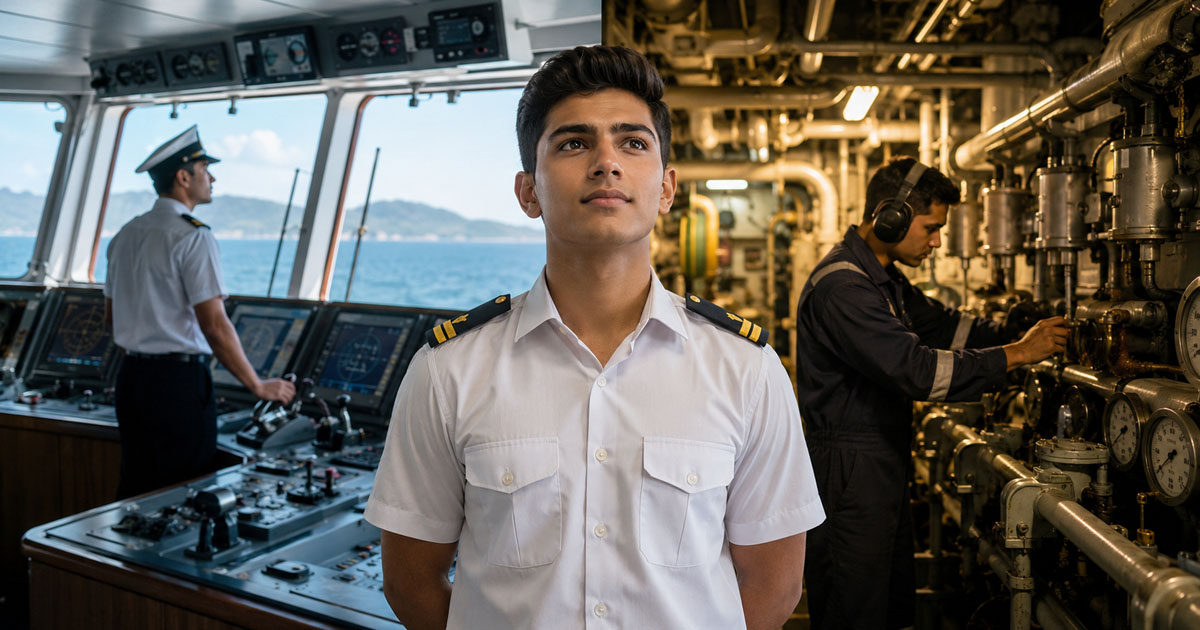
⚓ Deck Officer vs Engine Officer: Which Career Should You Pick?
Choosing between becoming a deck officer and an engine officer is one of the most important decisions in a maritime career. Both paths offer strong promotion tracks and international experience. But daily work, stress type, and shore-career options diverge sharply — and salary rarely explains why officers end up satisfied or regretful. The real differences…
-
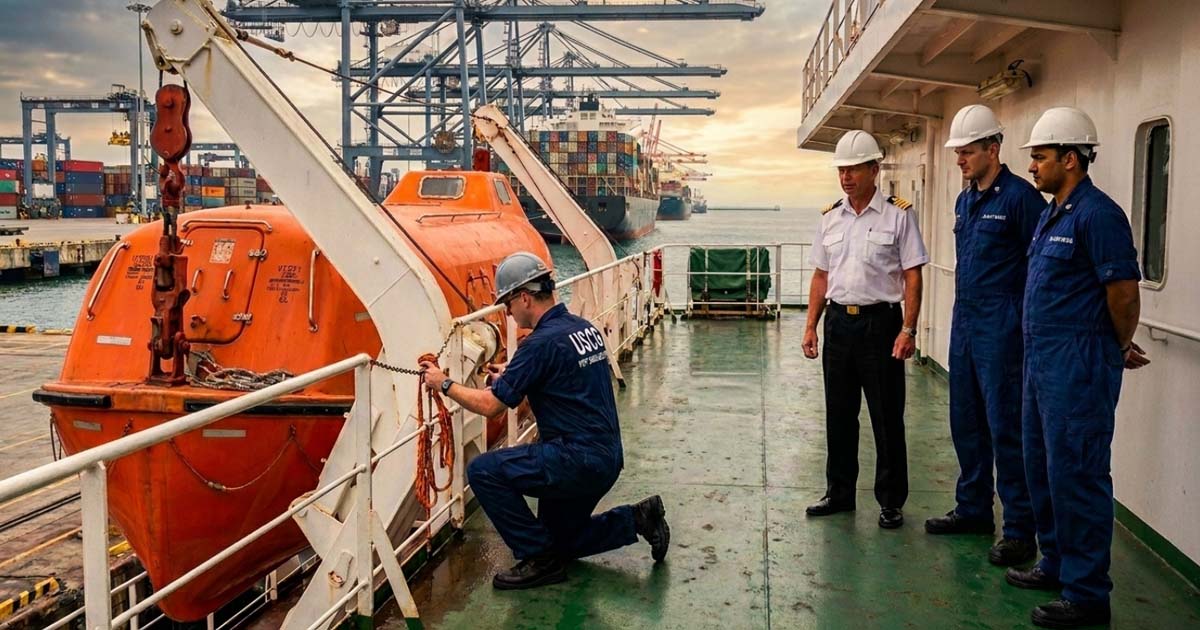
🚢 Top 5 Detainable Deficiencies Found During USCG PSC Examinations
In 2025, the U.S. Coast Guard’s Port State Control program issued 78 vessel detentions across 8,999 SOLAS safety exams. Two deficiency categories accounted for 41% of every detention: Safety Management System (SMS) failures (22%) and fire safety deficiencies (19%). At the individual-deficiency level (not just detentions), Ballast Water Management Systems were the single most frequently…
-
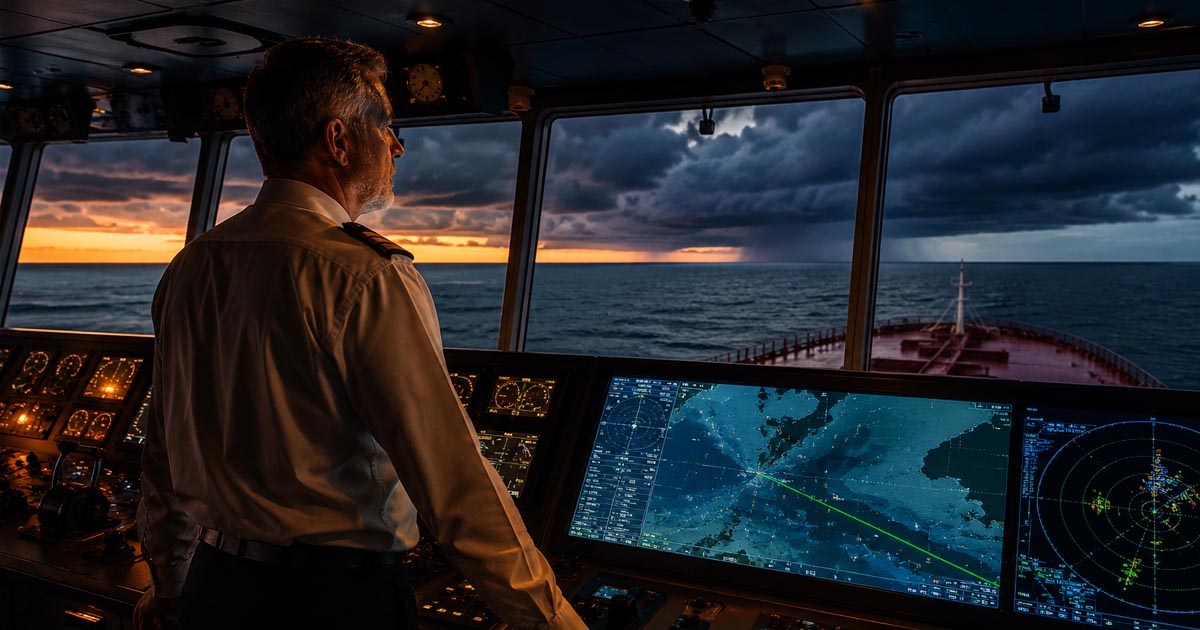
Are Seafarers Going to Be Replaced by AI?
TL;DR: No. AI will change what seafarers do – not eliminate the need for them. Quick Answer AI is not going to replace most seafarers in the foreseeable future. Autonomous shipping is real. It is growing. But so are the barriers – physical, regulatory, legal, and technical – that make fully crewless ocean-going vessels impractical…
-
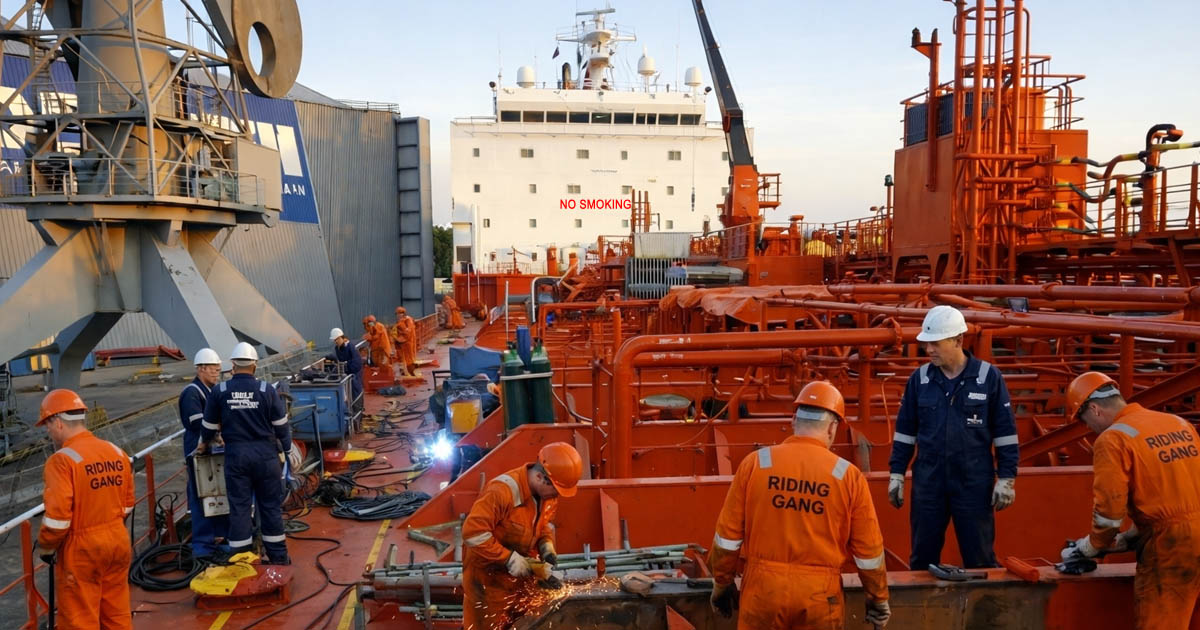
⚓ What Is a Riding Gang on a Ship? Everything Seafarers Need to Know
The riding gang, riding squad, or riding crew is one of shipping’s most misunderstood roles and one of its most debated. Some say they’re unqualified laborers cutting into seafarers’ jobs. Others say they’re certified mariners doing essential work that keeps ships out of costly drydocks. The truth? It depends entirely on how and why they’re…
-
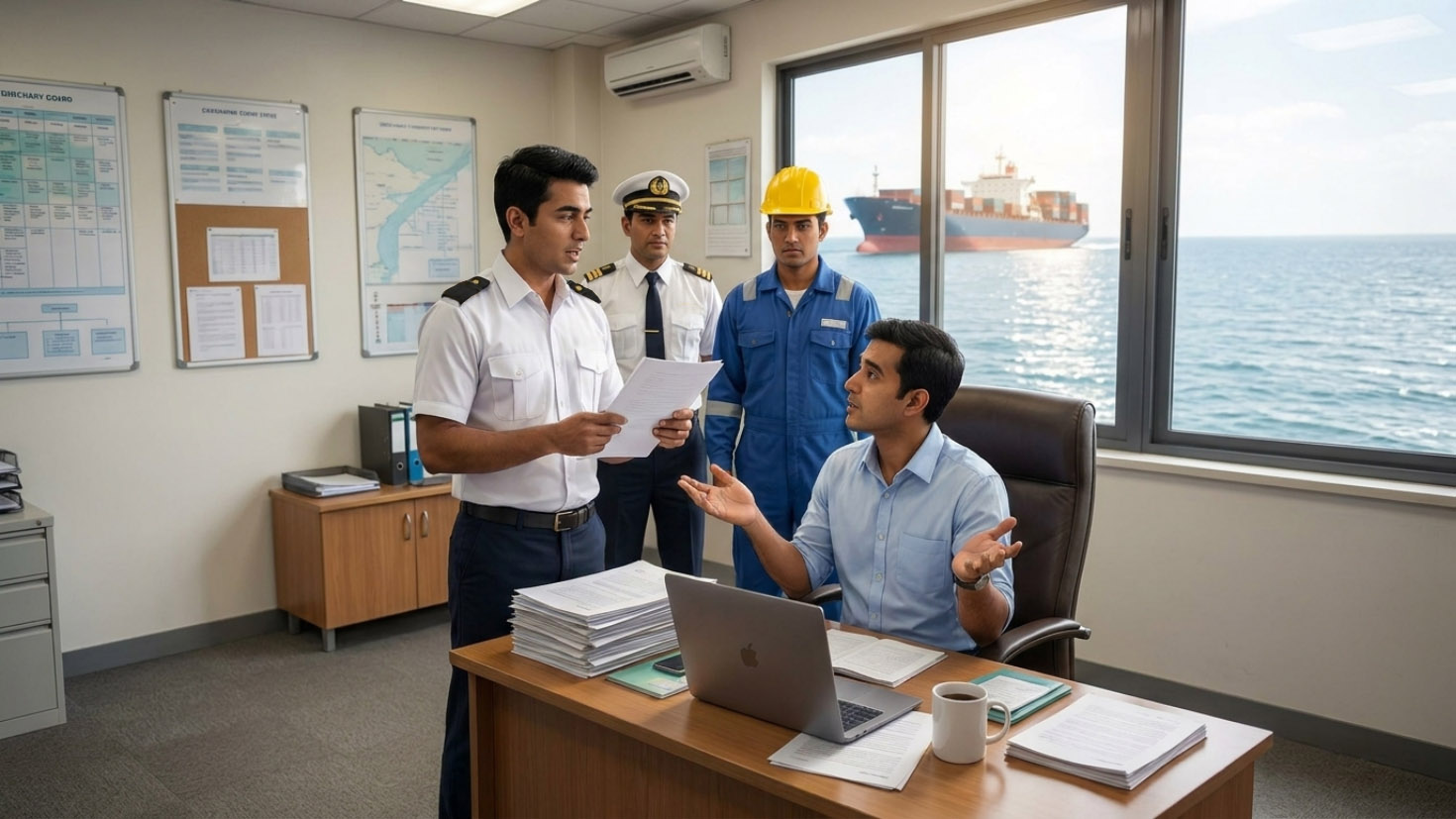
🚢 Why Your Promotion Letter Onboard Isn’t Always Official – And What To Do About It
You worked hard the entire contract and asked for a promotion from your Chief Engineer or Captain nodded. They called you in before sign-off, handed you a promotion letter, and shook your hand. You stepped off the gangway with your chest out, ready for the next rank. Then you report to the office. The crewing…
-
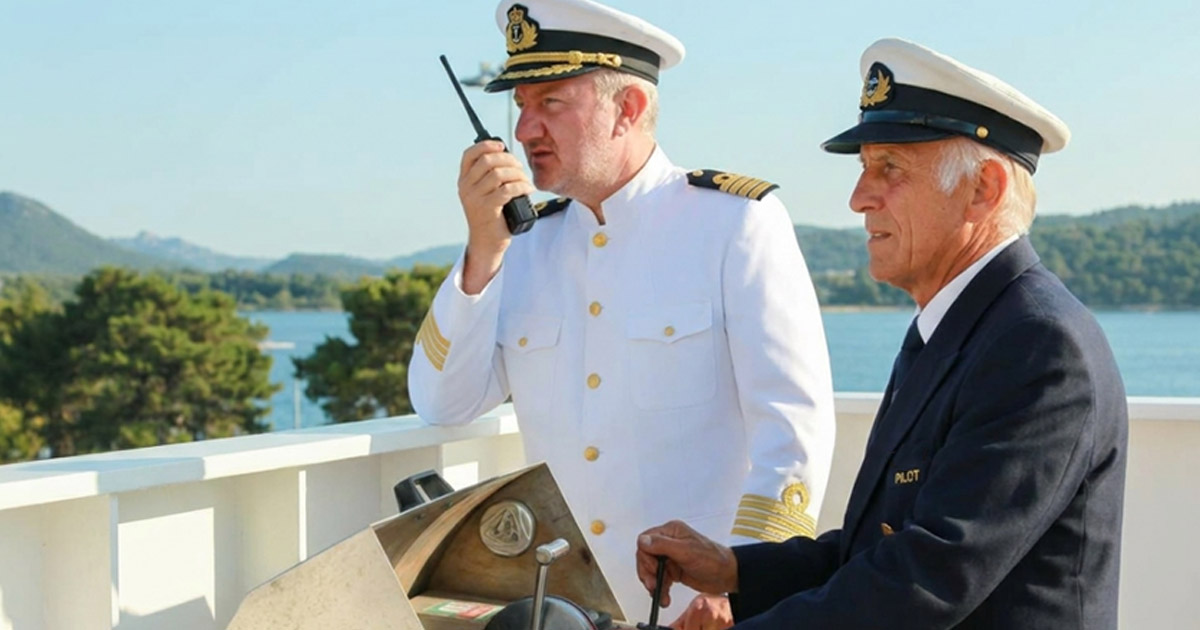
⚓ Most Common Mooring Commands & Responses Heard Over Ship Radio
Mooring a vessel is one of the most critical and potentially hazardous operations in seamanship. Clear, concise, and unambiguous communication between the bridge, forward station (bow), aft station (stern), engine room, and tug operators (in some cases) is essential to ensure the safety of the crew, the vessel, and port infrastructure. Radio communications during mooring…
-
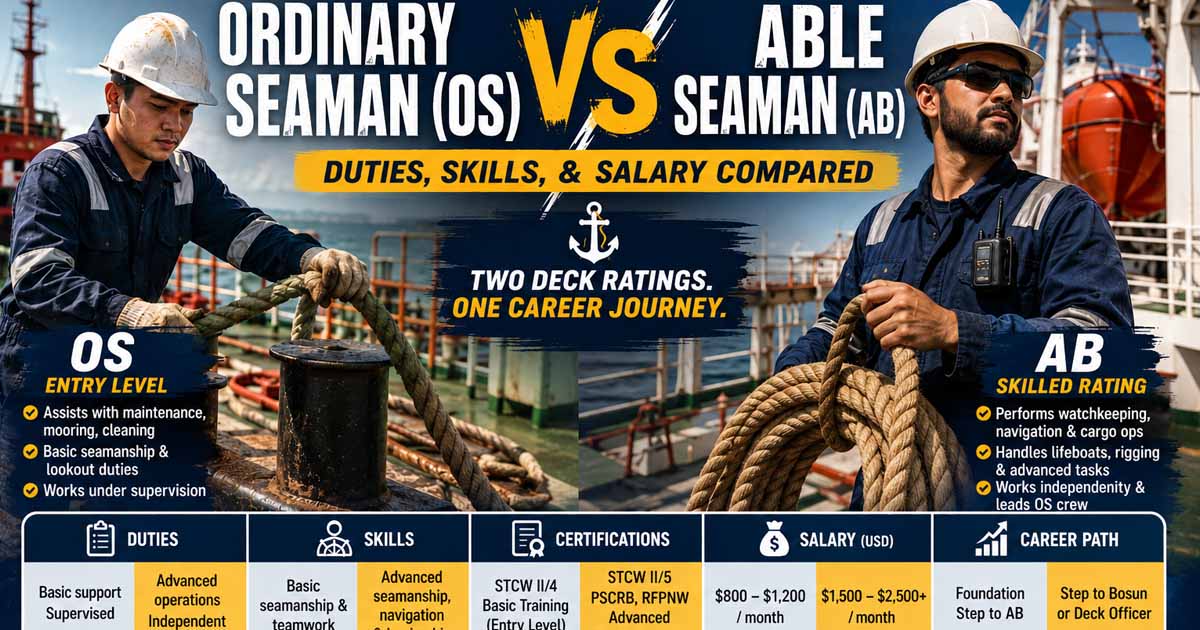
Ordinary Seaman (OS) vs Able Seaman (AB): Duties, Skills, & Salary Compared
Starting a career at sea often begins with a simple question: what’s the difference between an Ordinary Seaman (OS) and an Able Seaman (AB)? ⚓ Both are deck ratings and vital to ship operations, but they differ in experience, skills, and pay. 👉 This comparison matters for cadets, trainees, and aspiring seafarers because OS is…