

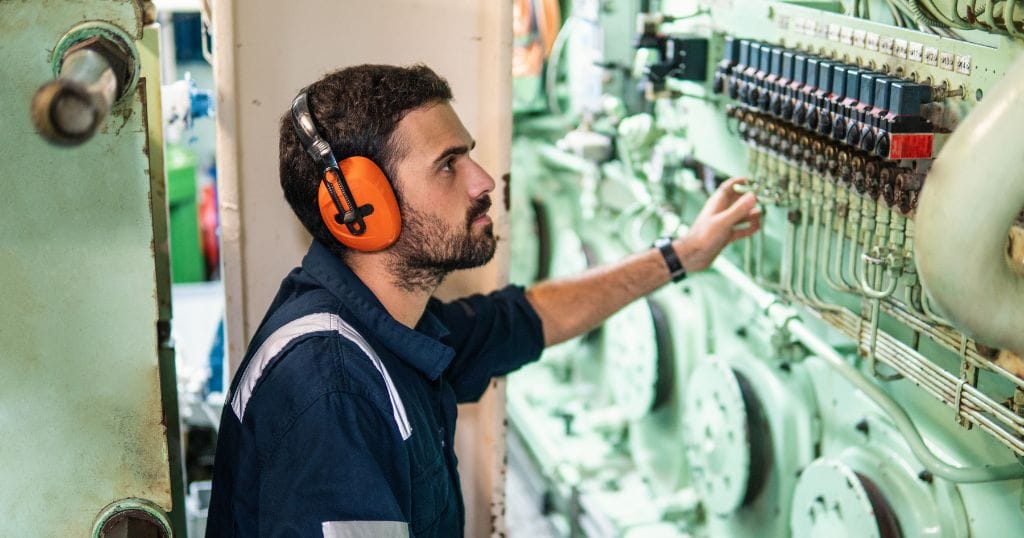
The Second Engineer (also known as the First Assistant Engineer in some countries like the U.S.) is a licensed senior officer responsible for the daily operation, maintenance, and safety of all machinery and technical systems aboard a vessel.
Reporting directly to the Chief Engineer, they ensure optimal engine room performance while managing engine crew and enforcing compliance with international maritime regulations.
Whether deployed on cargo ships, tankers, offshore vessels, DP units, or MOUs, Second Engineers are vital to vessel safety, propulsion reliability, and environmental integrity.
📌 Summary of Second Engineer Responsibilities
| Key Role | Description |
|---|---|
| 🔧 Technical Oversight | Manages operation and maintenance of propulsion, auxiliary, and safety systems |
| 🧯 Safety & Compliance | Ensures machinery and systems adhere to SOLAS, MARPOL, and ISM Code |
| 👨🔧 Crew Supervision | Leads engine crew, oversees cadet development, enforces safety culture |
| 📦 Inventory Control | Maintains tools, spares, stores, and liaises with procurement |
| ⏱️ Watchkeeping | Stands engine room watch or supervises during critical vessel operations |
🔍 What Is a Second Engineer?
A Second Engineer is the executive officer of the Engine Department, positioned just below the Chief Engineer.
They are responsible for supervising engine room operations, overseeing the crew, and ensuring that all mechanical systems perform reliably and efficiently.
In the absence of the Chief Engineer, the Second Engineer assumes command of the engine department.
- Reports to: Chief Engineer
- Supervises: 3rd Engineer, 4th Engineer, Motormen, Oilers, Wipers, and Cadets
- Collaborates with: Chief Mate, Master, Technical Superintendent, Safety Officer
⚙️ Core Duties and Responsibilities
1. 🛠️ Machinery Operation & Maintenance
- Oversee main propulsion systems, auxiliary engines, pumps, boilers, compressors, steering gear, and HVAC systems.
- Implement and update Planned Maintenance Systems (PMS).
- Conduct troubleshooting, root cause analysis, and emergency repairs.
- Monitor engine performance logs and ensure machinery operates within safety parameters.
- Supervise electrical systems in the absence of an Electrician.
2. 🧯 Safety, Compliance & Pollution Prevention
- Ensure machinery complies with:
- SOLAS
- MARPOL
- ISM Code
- Flag State regulations
- Maintain Life Saving Appliances (LSA) and Fire Fighting Equipment (FFE).
- Participate in Safety Committee Meetings and drills.
- Lead or support pollution prevention efforts, especially during bunkering operations.
- Implement emergency procedures from the Shipboard Emergency Manual (SEM) and SOPEP.
3. 👥 Crew Management & Training
- Supervise daily duties of engine ratings and junior engineers.
- Organize maintenance schedules, work permits, and performance reviews.
- Mentor cadets and ensure training compliance with STCW standards.
- Conduct toolbox talks, safety inductions, and skill development workshops.
4. 🛒 Inventory, Stores & Procurement
- Maintain updated inventories of spares, tools, and consumables.
- Coordinate with Chief Engineer, port agents, and shore-based staff for ordering.
- Avoid duplication of orders across departments.
5. ⏱️ Watchkeeping & Operational Support
- Typically stands the 4-8 engine room watch or works as a day engineer.
- Attend maneuvering stations and critical engine room operations.
- Collaborate with deck department for ballast adjustments, trim, and draft control.
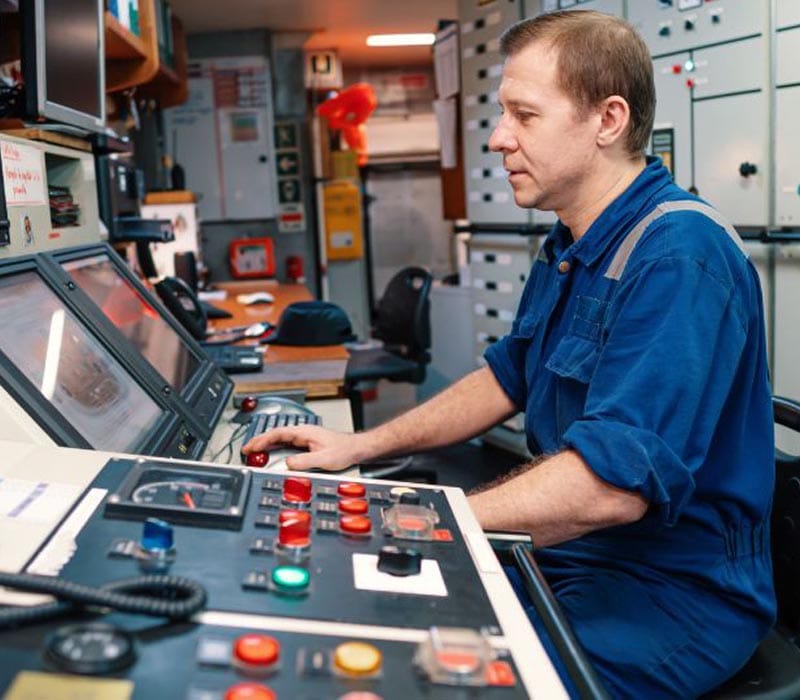
🎓 Qualifications and Training Requirements
To become a Second Engineer, candidates must comply with both international and flag-specific standards.
📄 Mandatory Certificates
- Certificate of Competency (CoC): Second Engineer Officer Unlimited (STCW Reg. III/2)
- Medical Certificate: Valid seafarer medical certificate (e.g. PEME, ML5, or equivalent)
- STCW Training: Including but not limited to:
- Basic Safety Training
- Advanced Firefighting
- PSCRB (Proficiency in Survival Craft and Rescue Boats)
- Engine Resource Management (ERM)
- High Voltage Operations (where applicable)
📘 Required Experience
- Minimum 12–24 months of seagoing service as a 3rd or 4th Engineer.
- Familiarity with computerized PMS and shipboard documentation systems.
- Leadership and crew supervision experience.
- Meet the standard of competence specified in section A-III/2 of the STCW Code.
🤝 Key Reporting Lines
Internal Contacts
- Chief Engineer – Direct supervisor, oversees technical operations.
- Chief Mate & Master – Coordinates for ballast, tank cleaning, cargo readiness.
- Crewing Manager – Manages manning, leave plans, performance evaluations.
- Technical Manager – Supports maintenance budgets, equipment lifecycle planning.
External Contacts
- Class and Flag Surveyors – Perform machinery and safety inspections.
- Port Engineers – Assist with dry dock or voyage repairs.
- Auditors (ISM, Vetting) – Review safety systems and regulatory compliance.
- Suppliers and Manufacturers – Provide spares, manuals, and support.
🧭 Career Progression
The Second Engineer position is a strategic stepping stone in the engineering officer career ladder.
🚢 Career Path
- Second Engineer
↓ - Chief Engineer (STCW III/2 Chief Engineer Unlimited)
↓ - Technical Superintendent
↓ - Fleet/Technical Manager
❓ Frequently Asked Questions (FAQ)
Q1: Can I become a Second Engineer without offshore experience?
A: You generally need at least 12–24 months of sea service as a watchkeeping engineer before qualifying. Offshore experience is often preferred for energy sector vessels.
Q2: What’s the difference between a 2nd Engineer and a Chief Engineer?
A: The 2nd Engineer oversees daily engine operations, while the Chief Engineer holds overall responsibility in the engine room for the technical department and compliance.
Q3: Is watchkeeping mandatory for Second Engineers?
A: Yes, unless otherwise delegated by the Chief Engineer, the Second Engineer performs or supervises engine room watch.
Q4: Do Second Engineers work on shore?
A: Yes, many transition to technical roles ashore like Port Engineer, Technical Superintendent, or Fleet Manager.
📢 Conclusion: Why the Second Engineer Matters
The Second Engineer is more than just a technical officer. They are a key leader in vessel safety, efficiency, and operational success.
From ensuring optimal machinery performance to training the next generation of marine engineers, their contribution is pivotal in today’s complex maritime environment.
✅ Whether you’re a marine cadet, an experienced 3rd Engineer, or a recruiter sourcing offshore talent, understanding the Second Engineer’s role is essential.
May the winds be in your favor.
Leave a Reply