


A Second Officer, also known as a Second Mate or Navigational Officer, is a licensed deck officer primarily responsible for voyage planning, navigational watchkeeping, and the upkeep of navigational charts and publications.
This rank is part of the ship’s deck department and holds the role of Officer in Charge of a Navigational Watch (OIC-NW) under the STCW Convention.
The Second Officer often acts as the vessel’s chart expert, ensuring safe passage and regulatory compliance during the voyage.
He reports directly to the Master for navigation and emergency operations, and to the Chief Officer for most other duties.
📌 Primary Duties and Responsibilities of a Second Officer
The duties of a Second Officer revolve around three core areas:
- Navigation and voyage planning
- Bridge equipment maintenance
- Recordkeeping and publications management
However, responsibilities may vary slightly depending on the type of ship, trading route, and company policies.
🌊 Bridge Watchkeeping Duties
The Second Officer serves as Officer of the Watch (OOW) and typically holds the 0000–0400 and 1200–1600 bridge watches, both at sea and at anchor.
Key watchkeeping responsibilities include:
- ☀️ Conducting celestial navigation during ocean crossings or when GPS is unavailable.
- 📍 Determining vessel’s position using all available means (GPS, radar, celestial navigation, ECDIS, etc.).
- 📋 Submitting the noon report to the Master and plotting the vessel’s daily noon position.
- 🧭 Ensuring compliance with:
- COLREGS (International Regulations for Preventing Collisions at Sea)
- ICS Bridge Procedures Guide
- Company navigational policies
- Bridge Standing Orders
- 🛟 Ensuring safe handover to the relieving officer, briefing them on position, nearby traffic, hazards, and vessel condition.
- 🌙 Verifying that the relieving watch team is fit for duty and adapted to night vision, especially during nighttime operations.

🛠️ Bridge Equipment Maintenance
As part of bridge operations, the Second Officer ensures that all navigational equipment is in optimal working condition.
This includes both routine testing and identifying any performance issues or calibration errors.
Essential duties:
- ✅ Testing navigational aids like gyro compass, magnetic compass, RADAR, ARPA, GPS, autopilot, echo sounder, and speed logs.
- ⚙️ Checking and recording equipment errors such as:
- Gyro error
- Compass deviation
- Chronometer rate and error
- 🧰 Monitoring and managing spare parts inventory for bridge equipment.
- 🔧 Overseeing the Global Maritime Distress and Safety System (GMDSS), including:
- EPIRB (Emergency Position Indicating Radio Beacon)
- SART (Search and Rescue Transponder)
- NAVTEX
- VHF radios
🗺️ Chart Work and Nautical Publications
The Second Officer is the vessel’s primary chart handler and ensures that all navigational charts and publications are up to date and voyage-ready.
These tasks are crucial for route safety, compliance during inspections, and efficient passage planning.
Key Responsibilities:
- 🧭 Voyage Planning:
Prepares the entire voyage plan from berth to berth based on the Master’s orders. This includes laying off courses on electronic and paper charts and identifying no-go areas, contingency anchorages, and route alternatives. - 📌 Chart Inventory Management:
Ensures the vessel carries all required charts- paper and ENC (Electronic Navigational Charts), for the upcoming voyage and trading areas. - ✏️ Chart Corrections:
Updates navigational charts and ECDIS databases using the latest Notices to Mariners and navigational warnings from NAVAREA coordinators. - 📖 Nautical Publications:
Keeps all publications up to date, including:- Tide Tables
- List of Lights
- Admiralty Sailing Directions (Pilot Books)
- Nautical Almanac
- IAMSAR Manuals
- Port Guides and Passage Planning Guides
- 📥 Weekly Updates:
Verifies the weekly arrival of Notices to Mariners. If missing, notifies the Master immediately.

📒 Record-Keeping Duties
As part of regulatory and operational compliance, the Second Officer is responsible for maintaining several key records:
- 📊 Navigation Records:
Maintains logs such as:- Radar/ARPA logbooks
- Gyro and magnetic compass error logs
- Chronometer rate books
- Weather records
- 🌍 Voyage Data:
Keeps a detailed record of each voyage, including:- Ports visited
- Distances traveled
- Navigational anomalies
- Environmental conditions
- 🛰️ Safety Communications:
Properly acknowledges and files all safety-related messages (NAVTEX, Sat-C, INMARSAT SafetyNet, MSI, etc.), ensuring they’re posted on the bridge or shared with the team. - 🗂️ Archiving:
Stores all logs and records per company policy and SOLAS/ISM Code requirements.
⚓ Cargo Operations and Port Duties
Though not the chief cargo officer, the Second Mate assists in port and ballast operations especially on merchant and tanker vessels.
In Port, the Second Officer:
- 📦 Stands Cargo Watch:
Maintains port watch (typically 0001–0600 and 1200–1800). May adjust based on crew rotation. - 🧰 Assists Chief Officer:
Supports supervision of cargo loading/discharging operations and safety rounds. - 💧 Conducts Ballast Operations:
Performs ballasting and deballasting, especially in tankers or bulk carriers. - ⚖️ Checks Draft:
Monitors vessel draft and reports findings to the Chief Officer. - 🔐 Performs ISPS Security Rounds:
Ensures the vessel complies with port security protocols. - 📄 Prepares Cargo Plans (Training Purpose):
As part of career progression, drafts loading/discharging plans and compares them to the Chief Mate’s plan for learning. - 👨✈️ Acts as Deputy:
Can temporarily assume the duties of the Chief Officer if required.
👨✈️ Other Duties of the Second Officer
Beyond navigation and port tasks, the Second Officer also supports shipboard administration, safety, and mooring operations.
Additional Responsibilities:
- 📘 Technical Library Custodian:
Maintains and updates all controlled documents under the Deck Department, including equipment manuals and SOLAS publications. - 🏥 Medical Inventory:
Assists the Chief Officer in maintaining the medical chest, keeping stock records, expiry tracking, and hospital upkeep. - 🛠️ Mooring Operations:
Assists during mooring and unmooring, coordinating with the Bosun and deck crew during arrival and departure. - 🧹 Bridge Housekeeping:
Ensures the bridge remains clean, operational, and inspection-ready. - 🔐 Designated Safety Officer (if assigned):
May be designated as the ship’s Safety Officer by agreement between the Master and DPA. Participates in safety drills and training exercises. - 📄 Compliance Duties:
Reads, understands, and implements the company’s Safety Management System (SMS), checklists, and circulars. - ⚓ Master’s Delegate:
Performs any other tasks as assigned by the Master for the vessel’s safe operation.
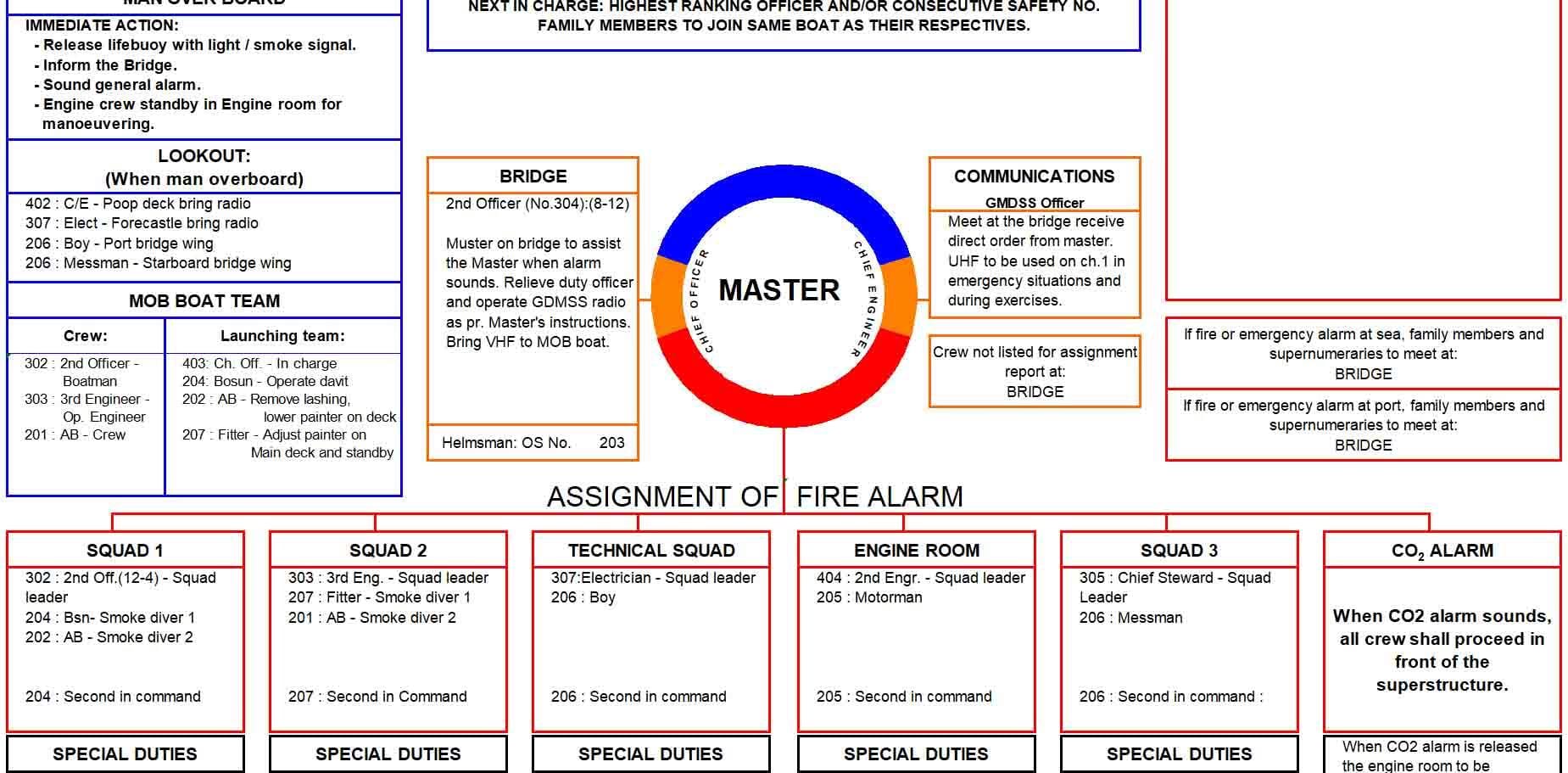
🚨 Emergency Responsibilities of a Second Officer
In emergencies, the Second Officer remains on the bridge, assisting the Master with ship navigation, communications, and emergency coordination.
Typical Emergency Roles:
- 🚢 Abandon Ship:
Brings EPIRB, SART, handheld VHFs, pyrotechnics, and spare batteries to lifeboat stations. - 🆘 Fire:
Musters on the bridge, operates GMDSS radio, and assists the Master as needed. May relieve the on-watch officer. - 🛟 Man Overboard (MOB):
Serves as boatman on the MOB recovery team, bringing communication gear and helping coordinate rescue.
All roles are defined in the vessel’s Shipboard Emergency Plan and may vary depending on vessel type and flag state requirements.
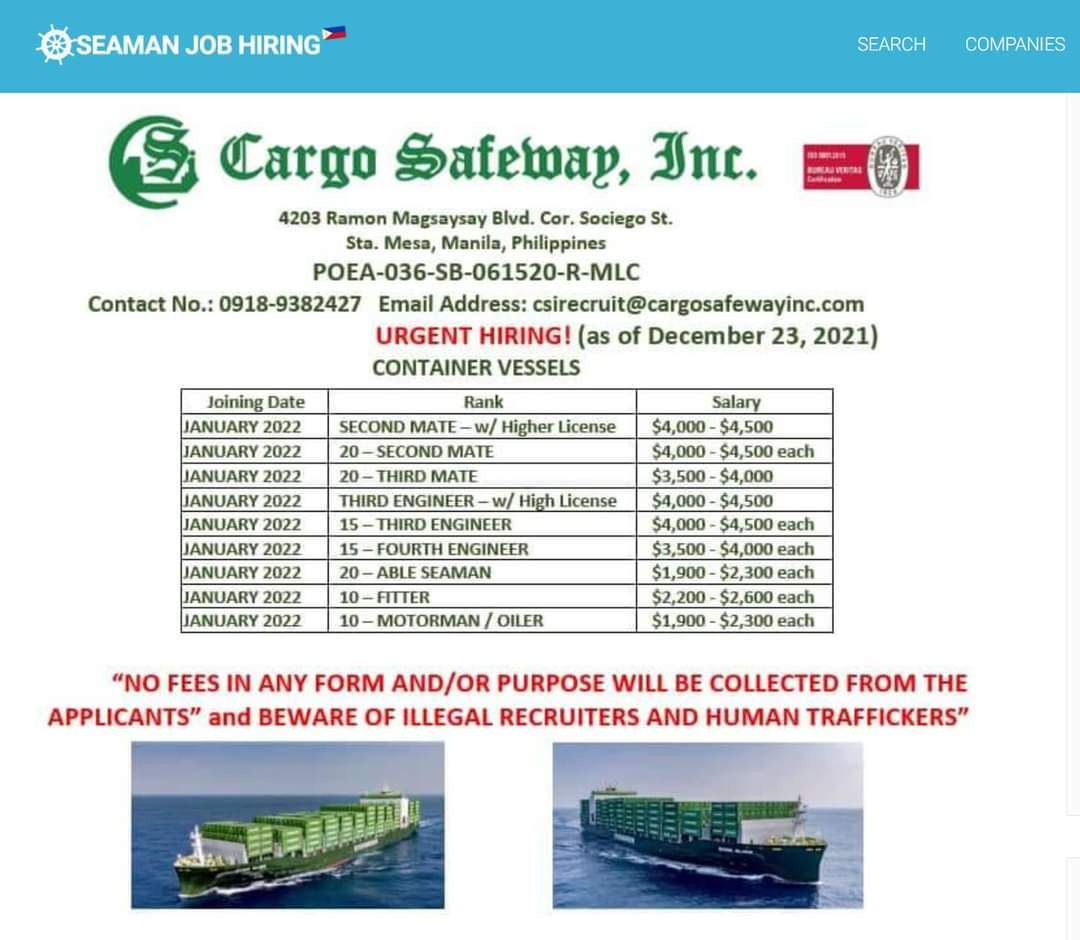
💰 Second Officer Salary (By Ship Type and Region)
The salary of a Second Officer varies significantly based on flag, vessel type, trade area, and nationality.
| 🌎 Region | 💵 Monthly Salary (USD) |
|---|---|
| Western Countries (e.g., US, EU) | $5,500 – $7,000 |
| Asian Officers (e.g., PH, IN) | $3,500 – $4,800 |
| Chemical Tankers | ~$4,700 |
| DP2 Offshore Vessels | Up to $7,000 |
| General Cargo/Container Ships | $3,800 – $5,200 |
📌 Note: Actual pay may also depend on sea time, principal company, union agreements, and special certifications.
⚙️ How Technology Changed the Second Officer’s Life
Before electronic charting systems, Second Officers spent dozens of hours per week correcting paper charts and publications especially during inspections or vetting.
With modern tools like ECDIS, ENC updates via USB, and cloud-synced publication platforms, this workload has drastically decreased.
What once took hours now takes just a few minutes.
⚡ Thanks to automation and digital navigation tools, the Second Officer today can focus more on safety, efficiency, and training rather than chart correction marathons.
📢 Final Thoughts
The role of the Second Officer is both critical and evolving.
As the bridge navigator, chart manager, and safety communicator, this officer plays a frontline role in ensuring safe voyages.
🧭 If you’re an aspiring deck officer, the Second Officer position offers hands-on experience in advanced navigation, cargo handling, and leadership preparation for Chief Mate duties.
May the winds be in your favor.
Leave a Reply