


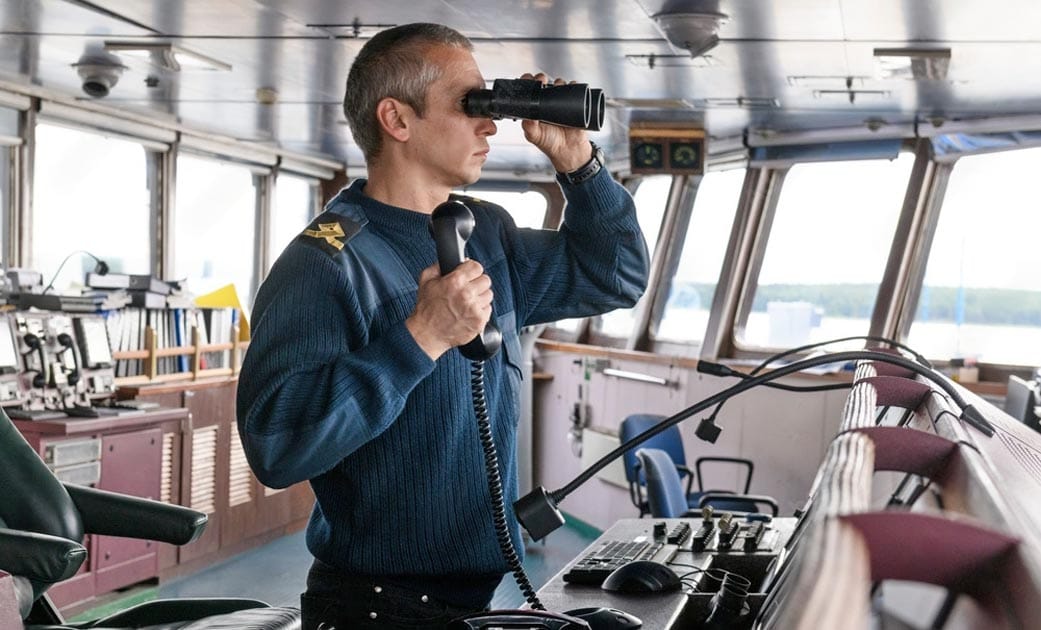
A Third Officer (also called Third Mate or 3/O) is the entry-level licensed deck officer on board merchant ships.
While often considered a junior officer, the Third Officer holds crucial responsibilities that directly impact the safety, navigation, and emergency preparedness of the vessel.
Whether you’re a cadet preparing for your first contract or a newly licensed officer getting ready to join your first ship, understanding the Third Officer’s duties is essential.
This guide breaks down everything you need to know- from bridge watches to safety gear maintenance, in a way that’s clear, practical, and grounded in SOLAS and STCW standards.
💡 Quick Fact: The Third Officer is typically in charge of all safety and fire-fighting equipment on board- one of the most critical shipboard assignments.
⚓ What Is a Third Officer Onboard a Ship?
The Third Officer (3/O or Third Mate) is a licensed member of the deck department who reports directly to the Chief Officer and the Master.
They are a certified Officer in Charge of a Navigational Watch (OICNW), as defined under the STCW Code.
You may hear them referred to using various titles:
- 3/O, 3/M, 3rd Mate, 3rd Officer, Tirso, Third, or Tercero Opisyal
🎯 Key Roles of a Third Officer:
- Serves as a watchkeeping officer during navigation and cargo operations.
- Manages safety equipment (LSA) and fire-fighting gear (FFE).
- Assists in port documentation, drills, inventories, and reports.
- May manage the slop chest and help supervise deck cadet training.
They also play an active role during ship emergencies and follow standing orders from the Master and Chief Officer.
Although responsibilities may vary slightly depending on the vessel type and company policy, the core duties are consistent across the maritime industry.
📋 Third Officer Duties and Responsibilities
The Third Officer’s job scope may vary slightly depending on vessel type, company policy, and crew size- but certain duties are universally expected.
Below are the major responsibilities broken down by function.
🧭 Navigational Watchkeeping
One of the Third Officer’s core functions is serving as an Officer of the Watch (OOW) on the bridge.
This includes:
- Keeping the 0800–1200 and 2000–0000 bridge watch at sea.
- Navigating the vessel safely in compliance with COLREGS and company procedures.
- Plotting the ship’s position on nautical charts and updating it based on the voyage plan.
- Maintaining familiarity with the Bridge Standing Orders and Master’s Night Orders.
- Operating bridge equipment (radar, ECDIS, AIS, gyro, etc.) properly and responsibly.
- Communicating via VHF radio with clear and professional protocol.
- Updating publications such as the Admiralty List of Lights and Fog Signals.
- Assisting the Second Officer with correcting Radio Signals and Notices to Mariners.
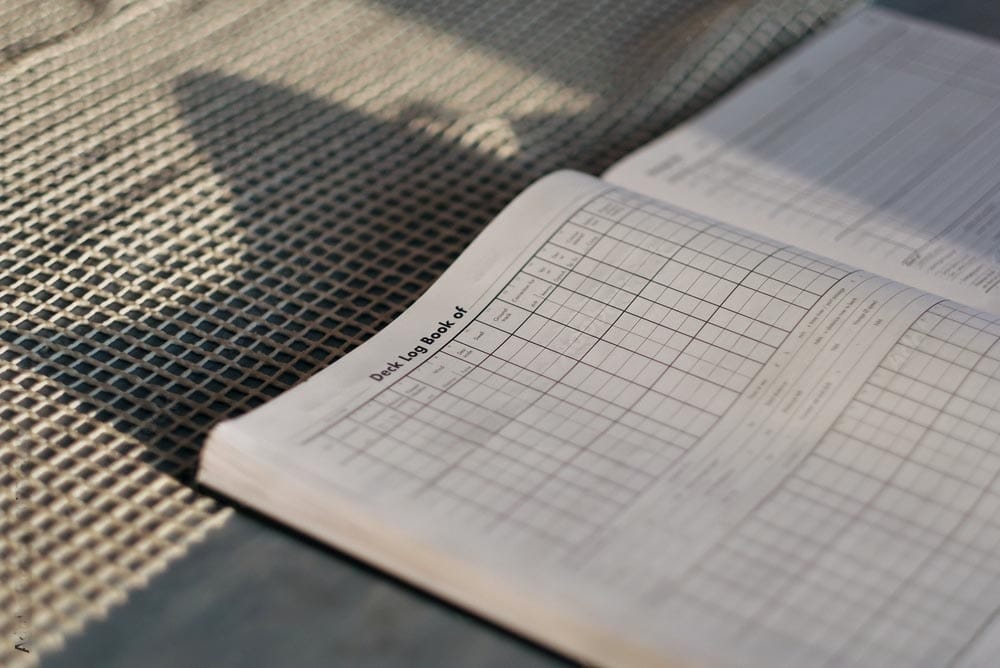
- Recording bridge events in the Deck Log Book and ensuring all entries are accurate.
- Conducting daily checks: testing the general alarm and whistle at noon when appropriate.
- Participating in departure/arrival checklists and maneuvering support.
- Performing compass error checks (gyro/magnetic) and celestial fixes when feasible.
- Displaying day shapes and navigation lights as required by COLREGS.
🛟 Watchkeeping Note: The 3/O may also be sent to assist with mooring operations during arrival or departure, based on the Master’s orders.
🔥 Safety and Emergency Equipment Maintenance
Another major responsibility of the Third Officer is managing the ship’s Life-Saving Appliances (LSA) and Fire-Fighting Equipment (FFE), in compliance with SOLAS requirements.
LSA Responsibilities:
- Inspect and maintain lifeboats, lifejackets, lifebuoys, life rafts, immersion suits, and pyrotechnics.
- Ensure emergency food, water, and first aid kits are within expiry and in good condition.
- Update and verify all inspection tags on LSA.
FFE Responsibilities:
- Inspect fire extinguishers, hydrants, hoses, nozzles, BA sets, and fireman’s outfits.
- Ensure fire extinguishers are properly marked and labelled in English and the ship’s secondary language.
- Maintain sufficient spares for all emergency gear.
- Report any issues beyond his capability to the Chief Officer for follow-up or requisition.
Safety Signage and Documents:
- Maintain visibility and correctness of safety posters, signage, and emergency instructions throughout the vessel.
- Update fire control plans, muster lists, station bill cards, and emergency contact info regularly.
Training & Awareness:
- Familiarize new joiners with the ship’s LSA and FFE.
- Conduct or encourage CBT (Computer-Based Training) or Videotel sessions for crew.
- Perform fire safety patrols in the accommodation area during nighttime.
📑 Reporting and Record-Keeping
Proper documentation is a key part of the 3/O’s duties, ensuring compliance with internal audits, port state control, and ISM Code requirements.
- Maintain records of LSA/FFE inspections, expiry dates, and repairs.
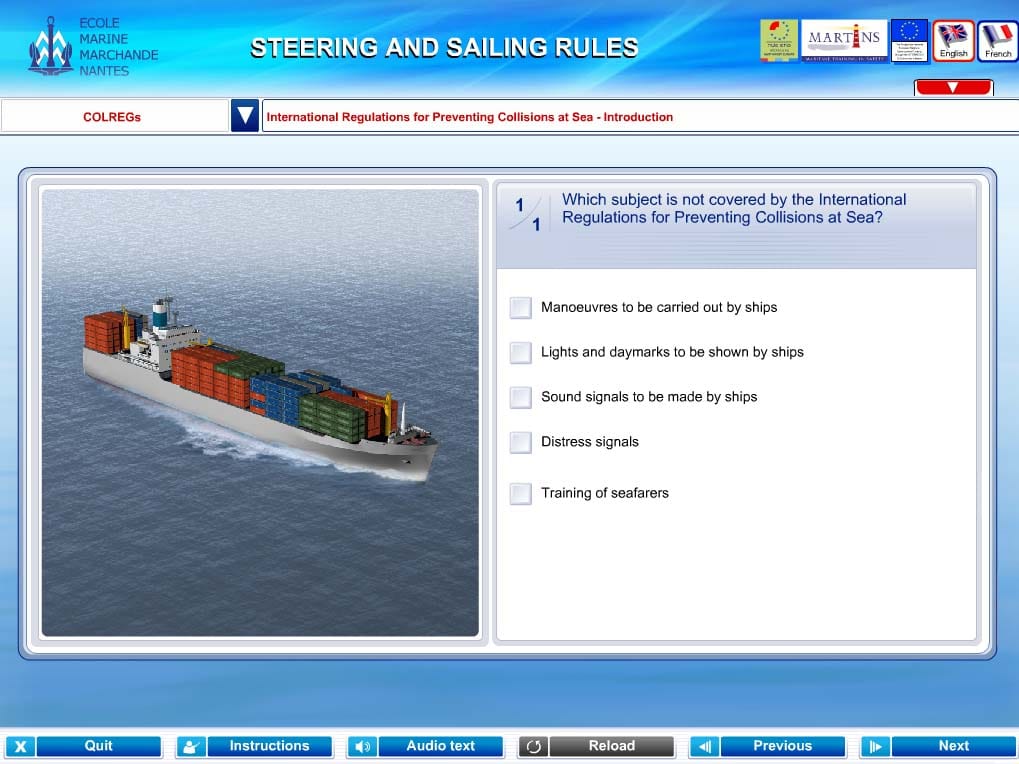
- Record safety drills, CBT sessions, and training activities in the appropriate logbooks.
- Prepare and file:
- Port documents
- Extra allotments and forms
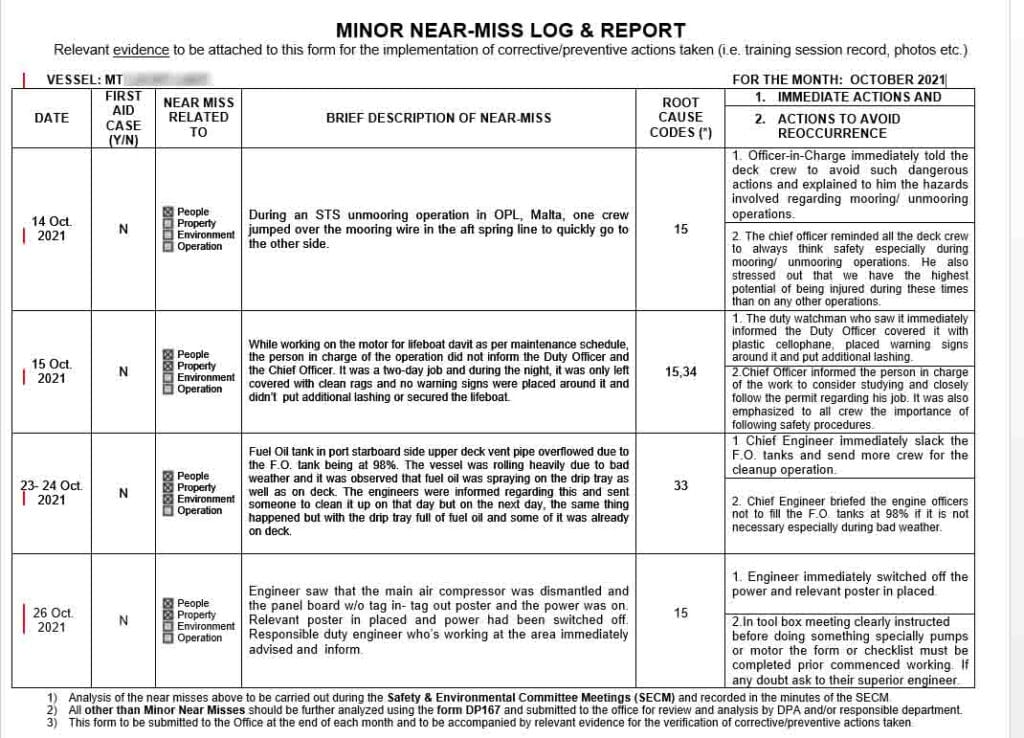
- Near-miss reports
- Safety committee meeting minutes
- Organize all digital and hard copy reports for audit readiness and easy reference.
- Generate requisition orders for safety-related spare parts and consumables.
⚙️ Cargo Operations
While cargo is primarily under the Chief Officer’s control, the Third Officer plays an assisting role, especially during port operations:
- Keeps the 0800–1200 and 2000–0000 or 0600-1200 and 1800-0000 port watch.
- Assist the Chief Mate in supervising loading/discharging operations.
- Monitor and log the hourly cargo transfer rate.
- Prepare a training cargo plan and compare it with the Chief Officer’s plan.
- Ensure national and courtesy flags are hoisted and lowered at the correct times.
- Maintain a record of significant cargo watch events in the port log.
- Take draft readings upon arrival and departure (as instructed).
- Conduct or assist in ballasting/deballasting operations.
- Attend to fire wires, mooring wires, and ensure scuppers are plugged.
- Assist with ullaging, tank inspections, and surveyor coordination.
- Familiarize themselves with the cargo stowage plan and company procedures.
- Support document preparation during agent, loading master, or authority visits.
⚠️ Note: Always follow the Master’s and Chief Officer’s port standing orders and the company’s cargo operations manual.
🚨 Emergency Duties
The Third Officer holds critical roles during emergency situations, often assigned by the ship’s Muster List or VRP (Vessel Response Plan).
| Emergency | Third Officer’s Role |
|---|---|
| 🔥 Fire | Squad Leader in the fire team |
| 🚨 Abandon Ship | Brings EPIRB, SART, and emergency radios |
| 🆘 Man Overboard | Acts as boatman for rescue boat operations |
| 📕 Others | Follow the Shipboard Emergency Manual or company procedures |
📚 Other Assigned Responsibilities
Beyond defined duties, the Master or Chief Mate may assign additional roles as per shipboard needs or company-specific policies.
- Train and supervise deck cadets, providing guidance on watchkeeping and ship routines.
- Help maintain the slop chest inventory if assigned.
- Occasionally assist the Chief Officer in managing the infirmary and medical chest.
- Prepare handover notes for your reliever and brief them thoroughly.
- Familiarize and comply with the Company’s Safety Management System (SMS) and related manuals.
- Stay proactive and adaptable to the vessel’s operational demands.
📌 Reminder: Third Officers must be flexible. Duties may evolve based on vessel types (tanker, container, bulk carrier, etc.), flag state, or trade route.
🧭 Final Thoughts for Aspiring Third Officers
Becoming a Third Officer is more than just holding a license- it’s about carrying responsibility, showing leadership, and continuously improving your maritime knowledge.
Whether it’s navigating a ship safely at night, inspecting life-saving equipment, or mentoring cadets, the role is demanding but deeply rewarding.
💬 Tip from Experience: Stay curious, follow procedures, and always be ready for more responsibilities. This is your foundation for becoming a great Chief Mate– or even a future Master.
❓ FAQs About Third Officer Duties
🔹 What license is required to become a Third Officer?
You need an OICNW (Officer in Charge of a Navigational Watch) license under STCW Regulation II/1, along with a valid medical and training certificate.
🔹 Is the Third Officer responsible for fire drills?
Yes!
While the Chief Mate usually leads drills, the 3/O coordinates fire-fighting team readiness and ensures LSA/FFE are functional.
🔹 Does a Third Officer stand a navigational watch?
Absolutely!
The Third Officer typically stands two navigational watches daily; 0800–1200 and 2000–0000.
🔹 Can a Third Officer become Chief Mate or Master?
Yes!
After gaining sea service and completing required training modules, the Third Officer can upgrade to Chief Mate and eventually Master.
📢 Call to Action
Want to level up your skills as a Third Officer? Check out our guides on:
- Bridge Standing Orders: What Every Officer of the Watch Must Know
- Navigational Watch Handover: Procedures, Checklist, and Best Practices
- When Should You Call the Master? Here is a List of Scenarios
📚 Bookmark Captain’s Mode– your go-to resource for real-life maritime insights and career growth at sea!
May the winds be in your favor.
Leave a Reply